HEAD OF LAKE WAKATIPU
COMMUNITY UPDATE 20 | JULY 2022
Kia ora koutou
Following the Otago Regional Council’s (ORC) online community meeting last month, we have been working with consultants and other stakeholders to find the right time to come to Glenorchy to talk to you.
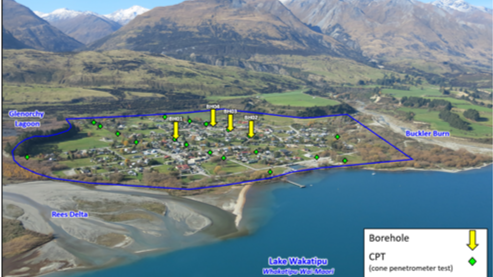
It has been a month since the findings about liquefaction, lateral spreading and flood hazards at the Head of Lake Wakatipu (Whakatipu-wai-Māori) were released. We’d like to thank those of you who gave us feedback. As one resident said, it was ‘sobering’ information, and many of you will be processing this information.
If you’d not yet had a look, all the information including the reports, answers to questions and a handy summary are available on our website.
We're coming to see you
At the end of July, The Otago Regional Council natural hazards team is bringing the experts to you.
This is an opportunity to discuss the findings of the recent investigations into flooding and liquefaction hazards in the Glenorchy area, and to ask us any questions you have about these studies and their results.
The team will include hosts Jean-Luc Payan and Tim van Woerden from ORC Natural Hazards, joined by consultant Sjoerd van Ballegooy from Tonkin + Taylor, and staff from Emergency Management Otago and Queenstown Lakes District Council to discuss the liquefaction and flood hazard report findings.
Details of our visit
Date: Thursday 28th July
Format: A drop-in session
Times: From 2-6pm
Venues: Glenorchy Hall, Argyle Street.
Date: Friday 29th July
Format: Small group or one to one meetings with the presentation team for those unable to attend the drop ins or who would like a one-to-one opportunity. Please contact us (details below) to book a time with the team.
Time: Meetings will be held during the morning.
Venue: We may come to you, they may be at the hall or where possible on site.
Contact us
To book a time to see us when we come to Glenorchy, for more information or for questions to your answers, contact the ORC Natural Hazards team on 0800 474 082 or email us at headofthelake@orc.govt.nz.
What's next for Glenorchy?
The question most people will have is what's next?
For everyone that is different. Our role at ORC is to provide as much information as we can, and continue to work with you to adapt to these changes.
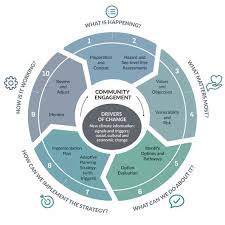
This work in Glenorchy is part of a ten-step decision-making adaptation pathways cycle (pictured here), based on the Ministry for Environment’s national guidance. This is a strategic, holistic approach working together with community; community and stakeholder input and collaboration is central to the Adaptation Pathways approach.
Hazards investigations including these two new reports are steps to better understand natural hazards and their risks, and provide a solid basis for any decision-making.
The next steps (5 and 6 in the cycle shown above) will identify and evaluate ‘pathways’ of adaptation actions (read more about actions below).
Projects coming up
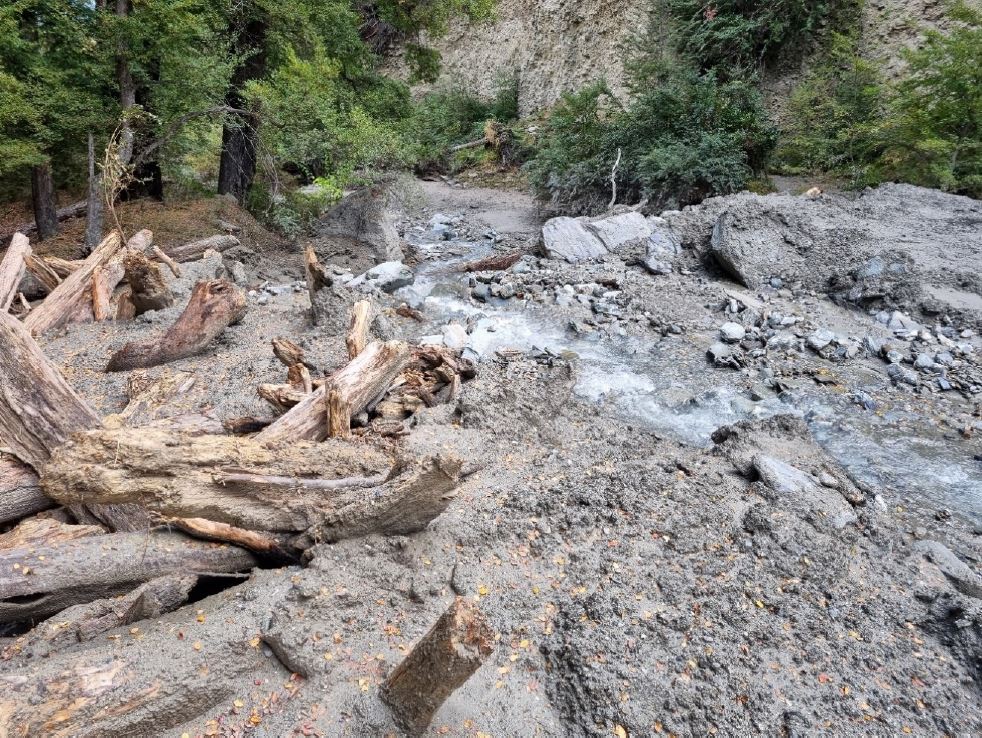
Hazards investigations continue to identify and evaluate ‘pathways’ of adaptation actions. One of these actions includes a study already underway by Damwatch Engineering Ltd to assess possible mitigation interventions for floodplain hazards at the Dart and Rees rivers and Glenorchy.
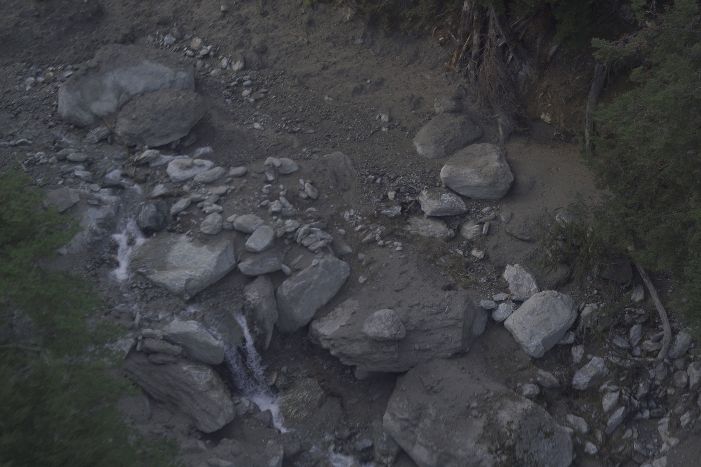
The second, the WSP consultant's assessment of the April 21st debris flow on the Glenorchy Road, is expected to be completed in the next few weeks. The photos above and below were taken during assessments of the site by WSP and ORC staff, and show the widespread recently-deposited debris presented along the creek channel.
Head of Lake Wakatipu newsletter sign-up
If you are currently not receiving our monthly newsletters, you can sign up here and view archives of past editions.
Contacts
If you have any questions or would like to get in touch with us, please email us at headofthelake@orc.govt.nz.
Copyright (C) 2022, Otago Regional Council. All rights reserved.


