HEAD OF LAKE WHAKATIPU

COMMUNITY UPDATE 41 | OCTOBER 2024
Kia ora koutou,
Thank you to everyone who joined us for the presentation and drop-in sessions in September. We hope you found these sessions useful.
Here's what we covered:
At the presentation evening, we showed you the findings of the Glenorchy and Kinloch Natural Hazards Risk Analysis, which investigated risks from selected natural hazards by assessing a range of natural hazard scenarios. We also shared the findings of the Assessment of Floodplain Intervention Options study, which investigated possible interventions to manage risks from flooding and erosion in the lower Rees River area by the Glenorchy township, the Dart River floodplain, and in the upper Rees River area by the Rees River bridge.
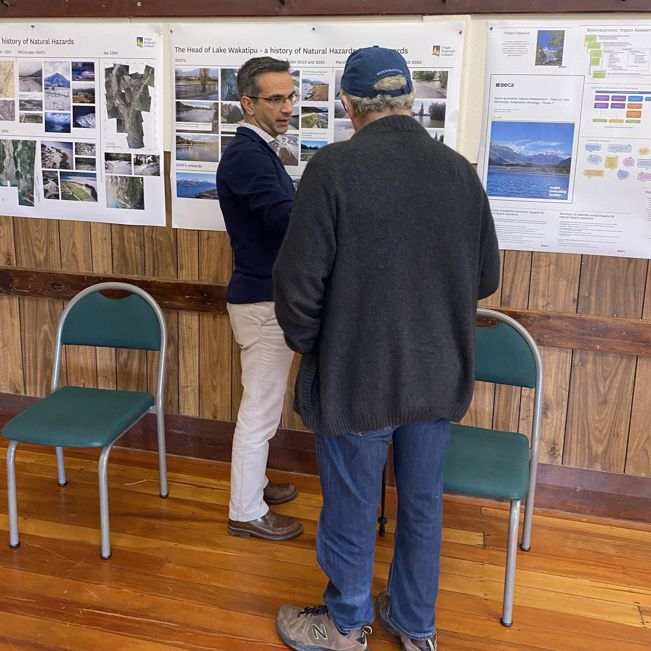
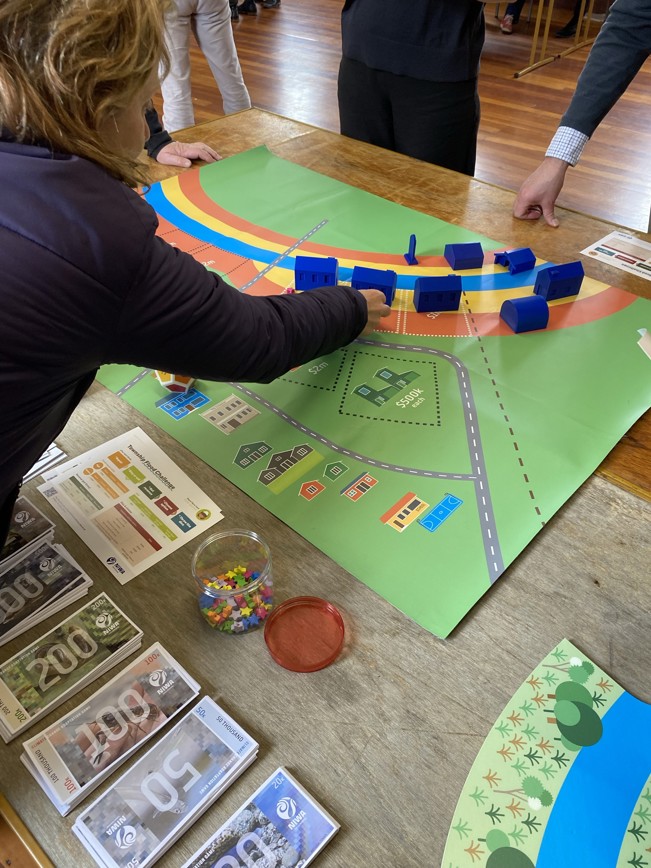
The next day, we held an interactive drop-in session, which included an adaptation game, an adaptation pathways activity, and opportunities to chat with the experts from Otago Regional Council, Queenstown Lakes District Council, Emergency Management Otago, NIWA, Beca Ltd and Damwatch Engineering Ltd. We'd like to thank the attending councillors and these organisations for helping us make these sessions a success.
It was a great opportunity to get input from the community and understand which adaptation actions you would like to see happen in the long term. One thing that stood out was the interest from community members in taking an integrated approach to managing the environment, including ways to manage hazard risks that may also have ecological and environmental benefits.
Feedback from the September sessions
What we heard from you:
There is a lot of interest in and support for 'nature-based solutions' to mitigate flood risks and improve environmental and biodiversity outcomes.
There is support for a holistic approach to adapting to natural hazard challenges in the Head of Lake Whakatipu area.
At the presentation evening, there was some interest in an assessment completed for QLDC to provide guidance for management of the Rees River bridge – you can find the report at the bottom of the page here.
There was also some interest in what this natural hazard risk information means for the insurance industry. We reached out to the New Zealand Insurance Council, and you can read their response by selecting the button below.
Read the Insurance Council letter
Viewing the recording of the presentation
If you missed the presentation, or would like to watch it again, please select the button below.
What's coming up next?
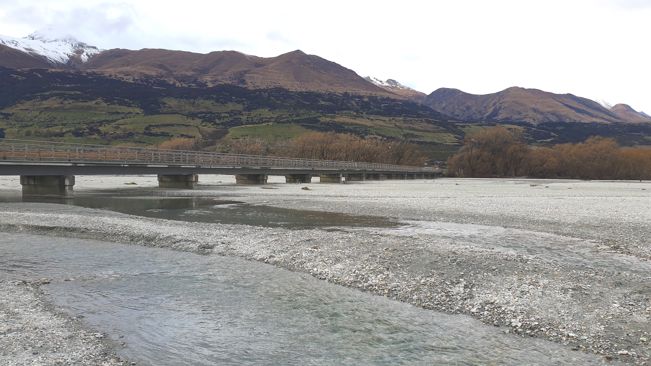
We are pulling all the feedback and report results together into a draft Natural Hazards Adaptation Strategy for the Head of Lake Whakatipu.
The draft strategy is due to be finalised in December, when we will ask for your feedback again.
We plan to come back to Glenorchy before the feedback period ends in February. These dates will be confirmed very soon.
As always, we value your feedback
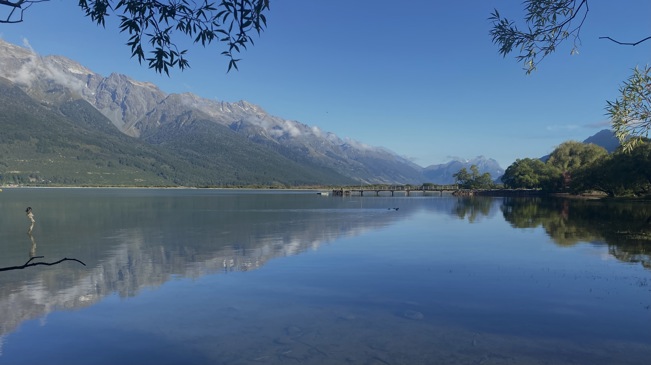
This adaptation programme was initiated because complex, increasing natural hazards in the Head of Lake Whakatipu require a comprehensive management response that takes a long-term view and encompasses all types of natural hazards.
This is your community, and we want to work with you to develop understanding and resilience.
If you have questions or need information:
Visit our website to learn more about the whole programme.
Read the reports
Watch the presentations
Get answers.
You can also speak to a member of the ORC Natural Hazards team on 0800 474 082 or email us for more information at headofthelake@orc.govt.nz.
We will provide responses to any emailed questions and facilitate answers from our consultants if needed.
Head of Lake Whakatipu newsletter sign-up
If you are currently not receiving our monthly newsletters, you can sign up here and view archives of past editions.
Contacts
If you have any questions or would like to get in touch with us, please email us at headofthelake@orc.govt.nz.
Copyright (C) 2024, Otago Regional Council. All rights reserved.


