Media release
Council tables Biosecurity report
Wednesday 18 November 2026
Snapshot of Biosecurity performance against targets shows 83% achieved
Wednesday 18 November 2026
Snapshot of Biosecurity performance against targets shows 83% achieved
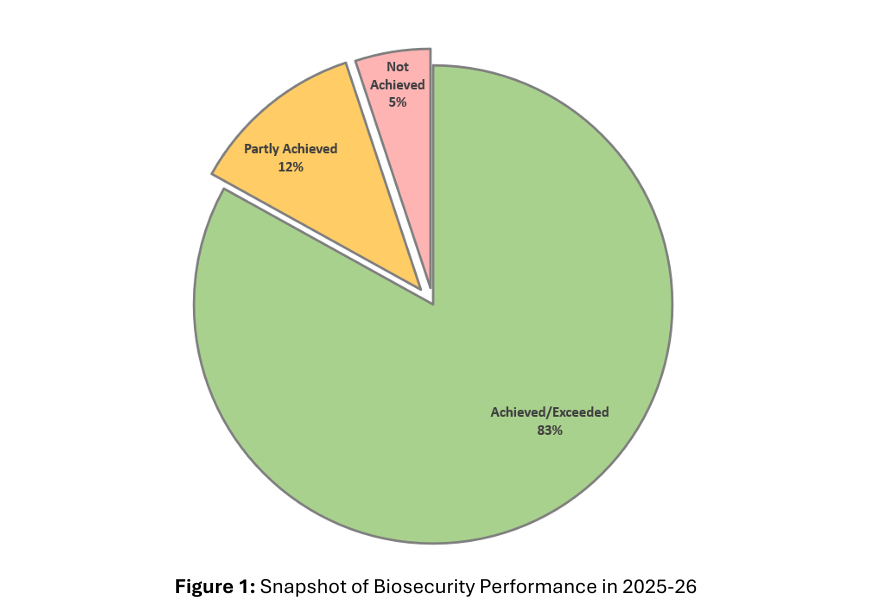
The Otago Regional council’s 2025-26 Biosecurity Operational Plan had 70 Key Performance Indicators (KPIs). Eleven KPIs were not measurable as the required events did not occur, which leaves 59 KPIs that were measured. Overall, 49 KPIs were fully achieved or exceeded (achievement rate of 83%). Seven KPIs were partially achieved (12%) with three KPIs not achieved (5%). Overall, the achievement rate for FY2025-26 showed a slight improvement compared to the previous year. As shown in Figure 1, there has been an upward trend in achievement over the past six years.
Portfolio lead Councillor Andrew Noone says, “The report highlighted successful initiatives involving the community, particularly when it comes to citizen ‘pest detectives’ reporting incursions and helping council nip them in the bud. We’re also seeing our teams deal with new pests in Otago, as well as preparing for an outbreak of bird flu in the region.”
ORC has begun to implement biosecurity related priority actions aimed at improving pest management outcomes, including work to establish Rabbit Working Group focused on enhanced rabbit control initiatives, assessing opportunities for a step change to eradication of lagarosiphon, and supporting community and voluntary efforts to manage wilding pines across the region.
1268 pest inspections, including 461 rabbit inspections and 412 community rabbit programme inspections, were conducted in the 25/26 year.
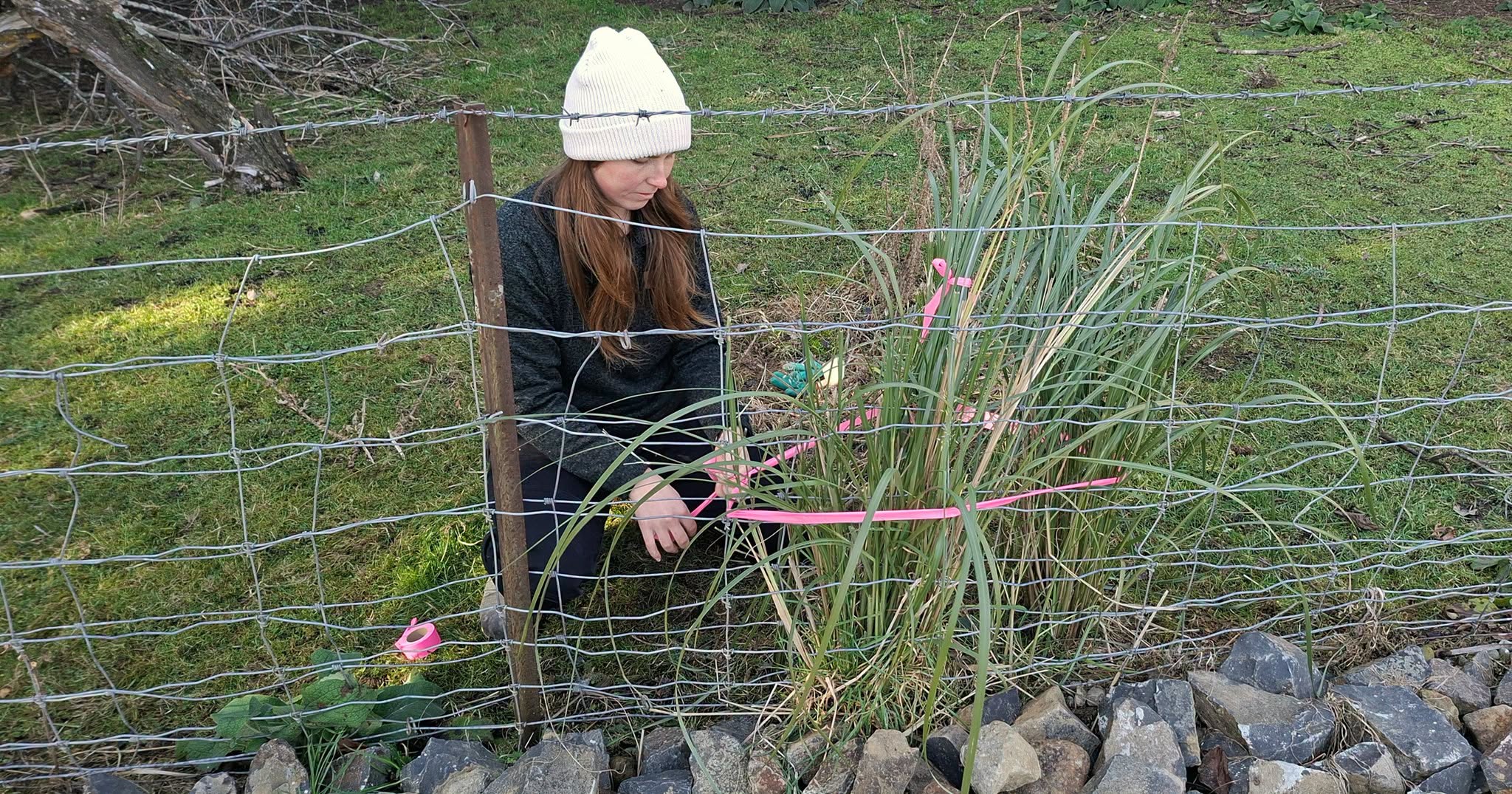
A successful North Otago African feather grass incursion response (Ngapara and Waianakarua) was undertaken. African feather grass is listed under the exclusion programme within the RPMP. ORC’s role is to respond to any incursions of exclusion species to prevent their establishment in the Otago Region. Pathway tracing investigations were undertaken to assess potential spread through historic construction activities. No additional infestations have been identified through these investigations. Control has occurred at both sites, and the response has now entered into a monitoring and long-term surveillance phase. Staff acknowledge the valuable support provided by landowners, stakeholders, researchers, contractors, and the local community throughout the response.
Mediterranean Fanworm (Sabella) is a marine pest that can have significant impacts on coastal and harbour environments. It is listed as an Unwanted Organism under the Biosecurity Act 1993. Sabella was detected in the Otago Harbour in 2019, with the last detection of Sabella occurring in 2024. A minimum of five consecutive years without detections is required before eradication can be formally declared. Surveillance will continue. Ongoing surveillance will continue to provide confidence that any remaining specimens, including those previously undetected or too small to be readily identified growing on wharf piles, are identified and removed.
The review of Otago’s Regional Pest Management Plan (RPMP) made considerable progress during the year. A Council Reference Group, including Councillors Noone, Gillespie, Wilson and Malcolm, and mana whenua representatives, are providing strategic guidance and oversight of the review process. Early engagement is complete, and the analysis of benefits and costs is underway. Looking ahead, the project will focus on refining management options for complex species and sites, undertaking a second phase of targeted stakeholder engagement, and developing a proposal for a new Regional Pest Management Plan. Formal public consultation on the proposed plan is expected to follow in 2027.
Key activities relating to Highly Pathogenic Avian Influenza (HPAI) H5N1 were undertaken, including working with regional partners to prepare and implement an Otago H5N1 bird flu preparedness plan.
The Biosecurity Team continued to invest in innovative technologies to improve the collection of surveillance and monitoring data, including the use of aerial imagery and fixed-wing aircraft to identify gorse and broom infestations requiring follow-up compliance action, and the use of thermal imaging drones to undertake rabbit night counts as an alternative to traditional ground-based motorbike and spotlight surveys.
You can keep up to date with the progress of the development of ORC’s Regional Pest Management Plan here: orc.govt.nz/rpmp

The Regional Pest Management Plan (Pest Plan) sets out the framework for how pest plants and animals specified in the plan will be managed in Otago over the next 10 years.

9.3: Annual Report Biosecurity 2025-2026. To report on the implementation of the Biosecurity Operational Plan 2024-25 for the period 1 July 2025 to 30 June 2026, as required under Section 100C (2) of the Biosecurity Act 1993.



