Biological control, also known as biocontrol, uses the natural enemies of a pest, such as insects, fungi, or other organisms, to reduce its spread and impacts. In Otago, biocontrol agents have been released for several widespread pest plants, including gorse, broom, buddleia, old man’s beard, ragwort, horehound, and a range of thistle species, helping to reduce their abundance and complement other management methods.
Before any biocontrol agent can be released in New Zealand, it must undergo rigorous testing to ensure it is safe and highly specific to its target pest. Only agents that pose minimal risk to native species, crops, and other non-target plants are approved for release. Much of New Zealand's biocontrol research and development is undertaken by the Bioeconomy Science Institute, Manaaki Whenua – Landcare Research Group in partnership with regional councils, universities, and other research organisations.
Nodding thistle receptacle weevil
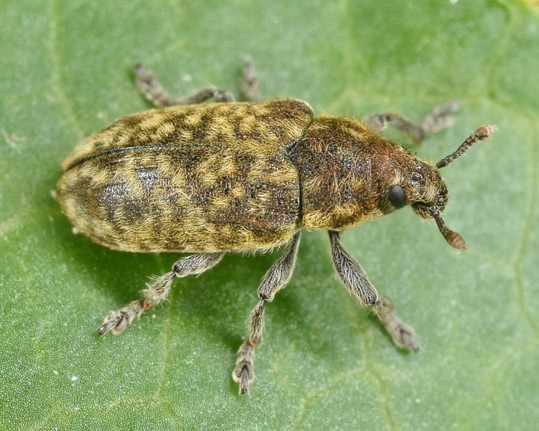
Photo: Christina-Butler CC BY 2.0 via Wikimedia Commons.
Nodding thistle crown weevil
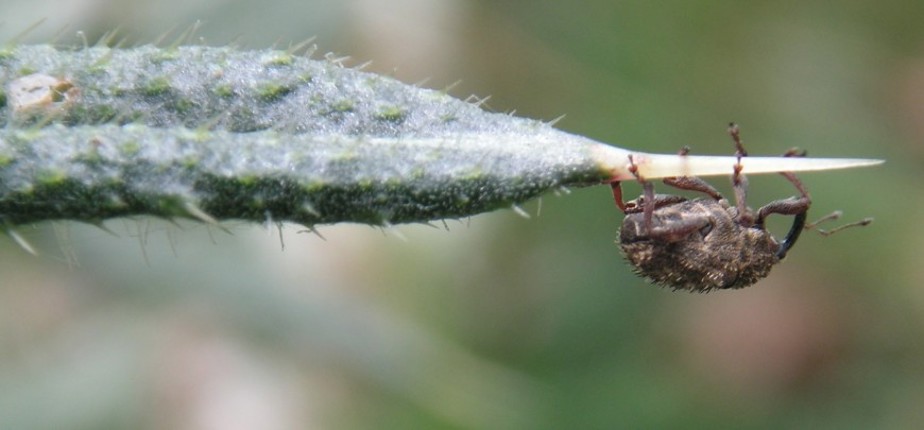
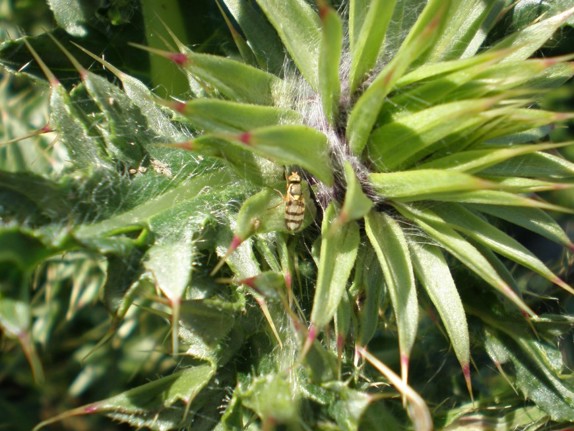
Nodding thistle gall fly

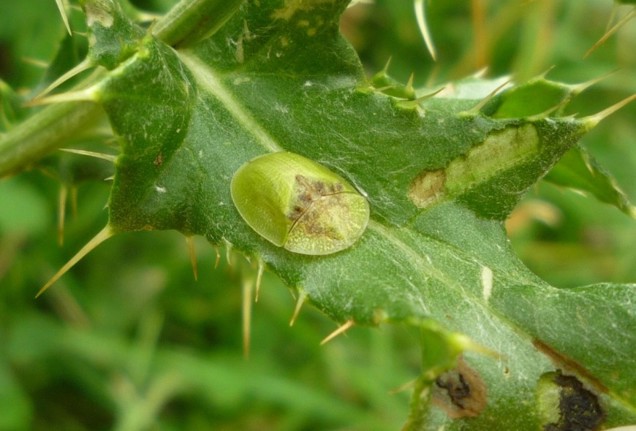
Green thistle beetle
Gorse colonial hard shoot moth
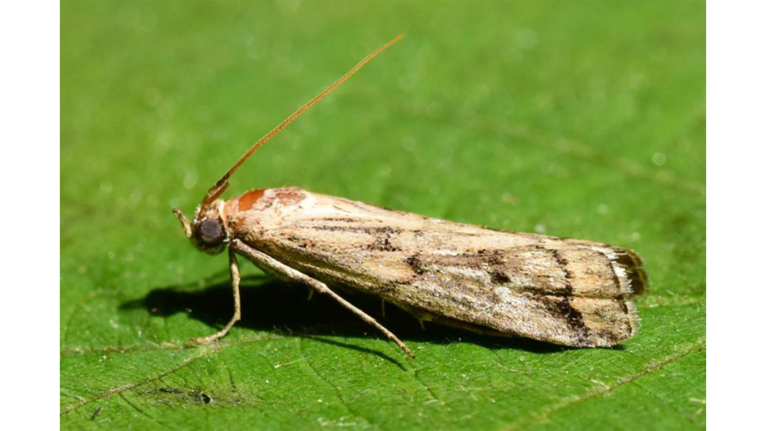
Photo: Landcare research - Sarah and Karen Hand
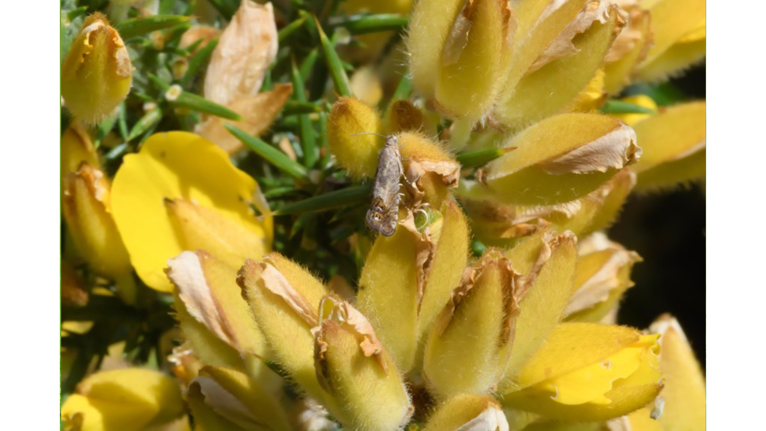
Gorse seed weevil
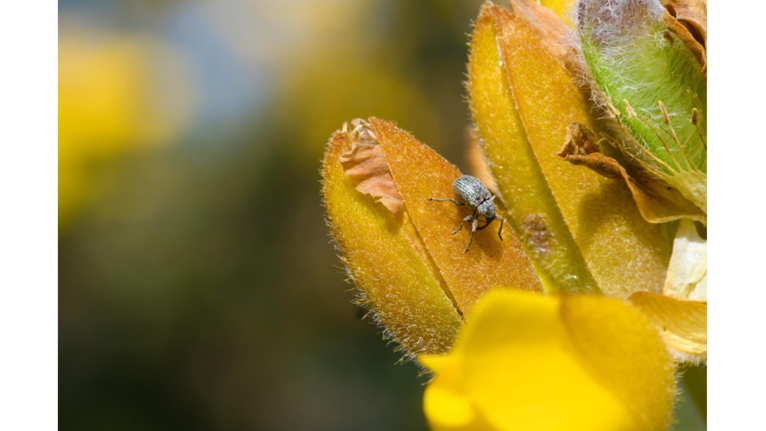
Photo: Landcare research
Gorse soft shoot moth
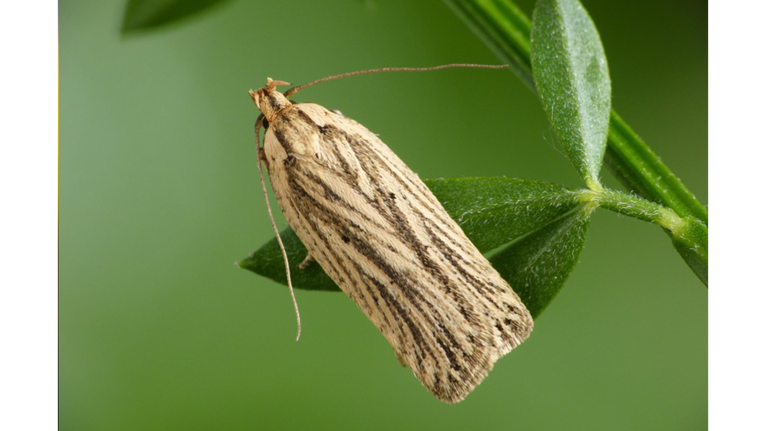
Photo: Patrick Clement via Wikimedia Commons
Gorse spider mite
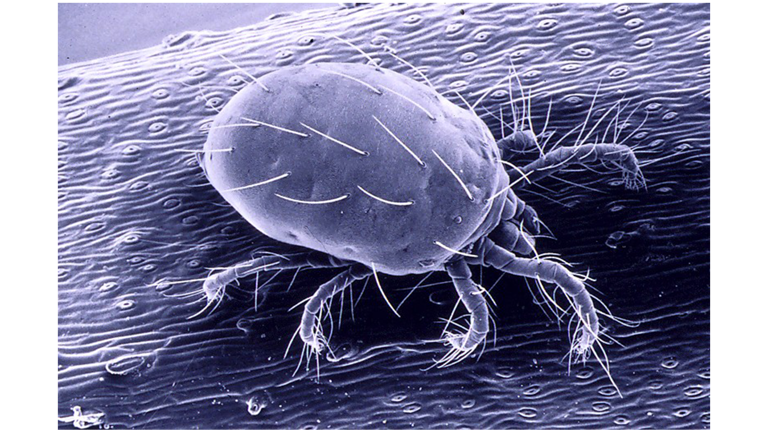
Photo: Landcare research
Learn more about gorse

Broom gall mite
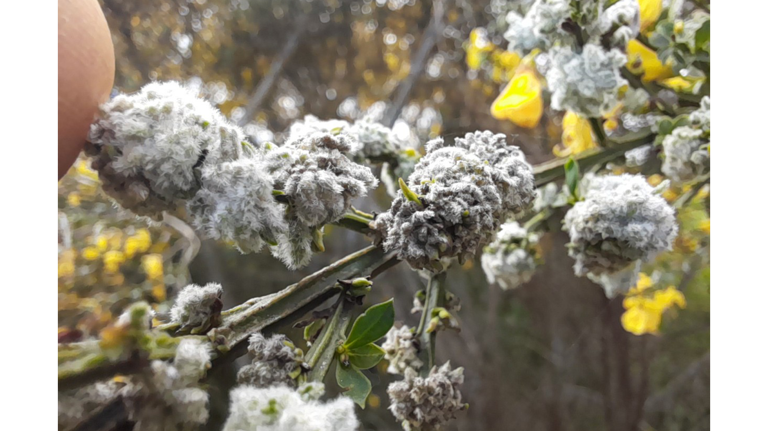
Photo: Landcare research
Broom leaf beetle
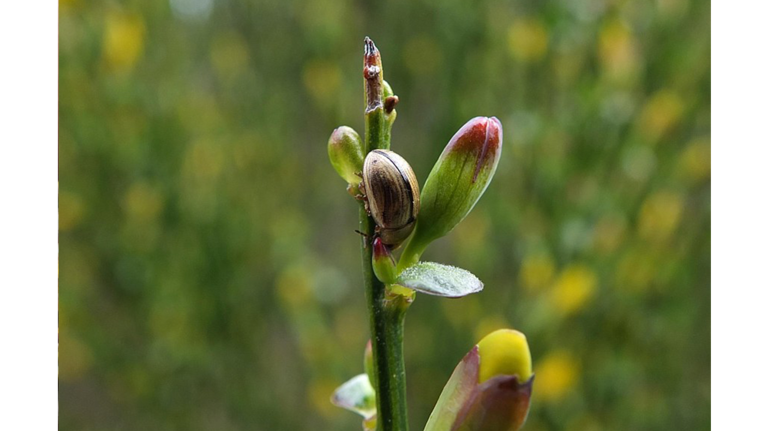
Photo: Landcare research
Broom psyllid
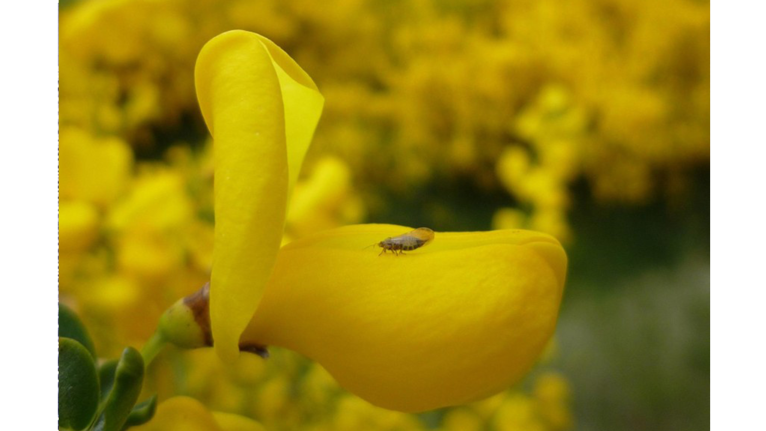
Photo: Landcare research
Broom seed beetle
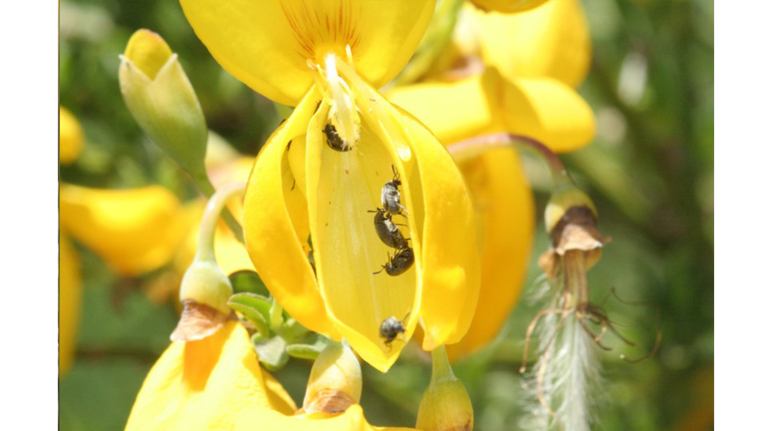
Photo: Landcare research
Learn more about broom

Old man's beard leaf fungus
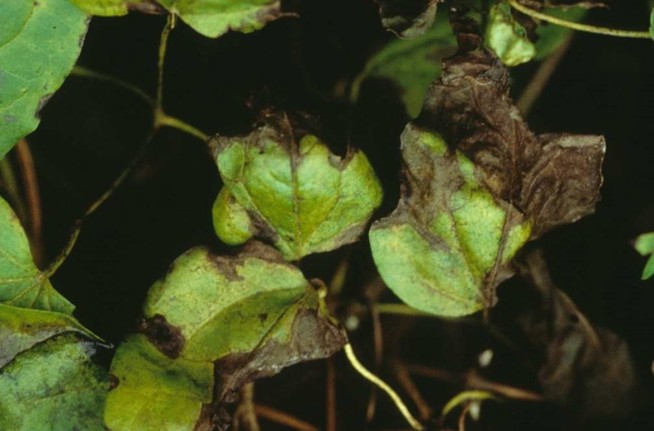
Photo: Landcare research
Old man's beard leaf miner
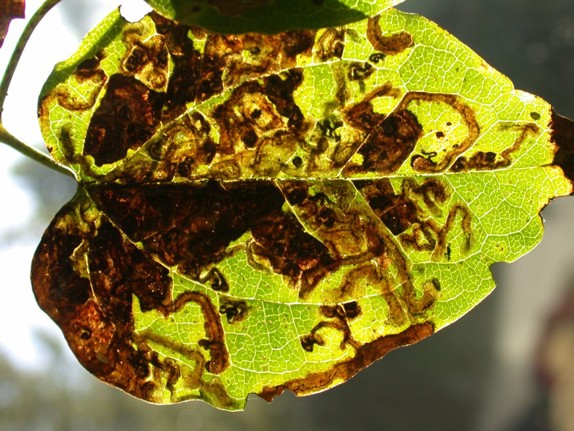
Photo: Landcare research
Old man's beard sawfly
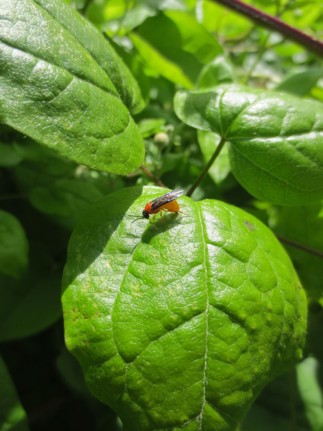
Photo: Landcare research
Old man's beard mite
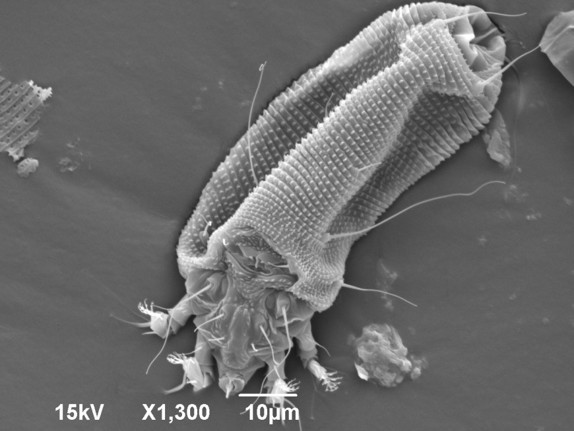
Photo: Landcare research
Learn more about old man's beard

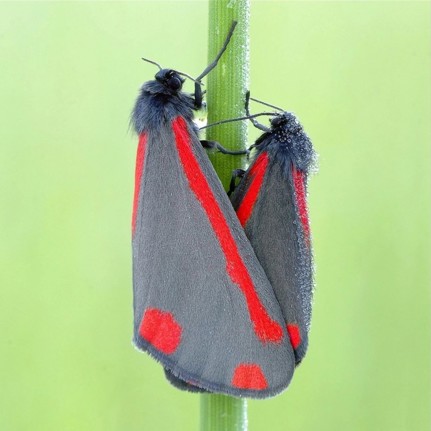
Ragwort cinnabar moth
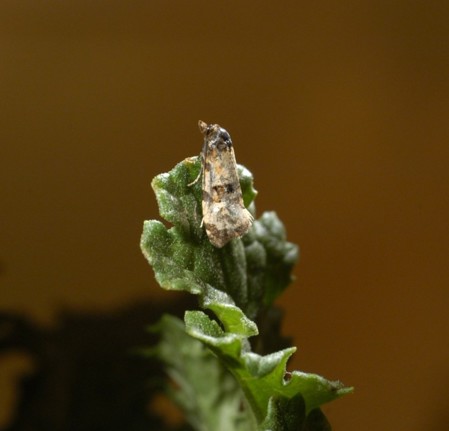
Ragwort crown-boring moth
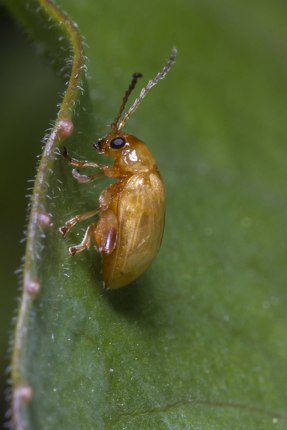
Ragwort flea beetle
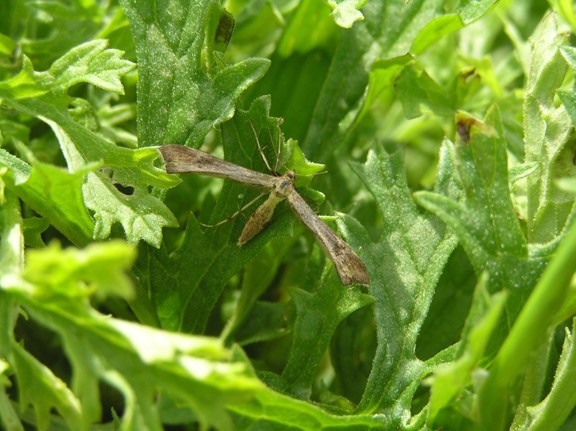
Ragwort plume moth
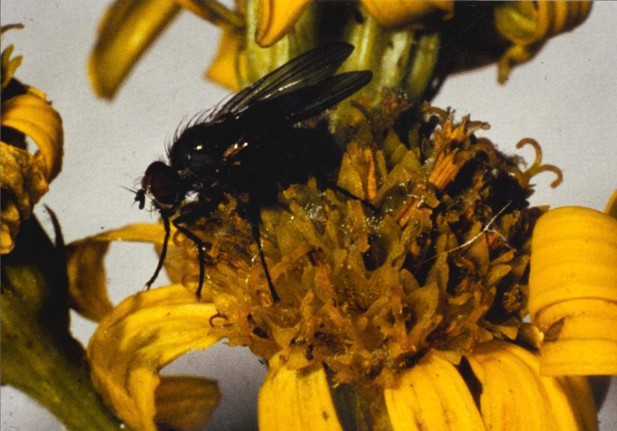
Ragwort seed fly
Learn more about Ragwort


Report pests
We want to hear about all pests found, but if you see any of these, please get in touch urgently, and with as much detail as you can

Animal pests
What do you know about the pests that cause problems in Otago? Look through these pages to discover what ORC is doing about the animals that destroy our native habitats and kill our native or endangered wildlife.

Plant pests
Pest plants are non-native plants that cause problems. Some are toxic to humans and animals. Some spread so quickly they smother our native plants and destroy the homes of our native wildlife. Find out what the rules are and how you can help get give of these pests.

Freshwater pests
Know your hornwort from your lagarosiphon? ORC’s Biosecurity team actively combats freshwater pests to safeguard our waterways, including initiatives such as the Check, Clean, Dry programme. Let’s keep our aquatic ecosystems thriving.

Marine pests
Marine pests are sneaking into Otago’s waters, posing a serious threat to our native species, marine industries, and treasured coastlines. Let’s work together to keep Otago’s waters safe and pest-free!

Poisonous plants
For help identifying poisonous plants in Aotearoa New Zealand, head to the NZ Plant Conservation Network. If you think you have been exposed to a poisonous plant, please call the poisons centre on 0800 POISON (0800 764 766)


