Media release
Are these pest plants lurking in your backyard?
Thursday 22 October 2026
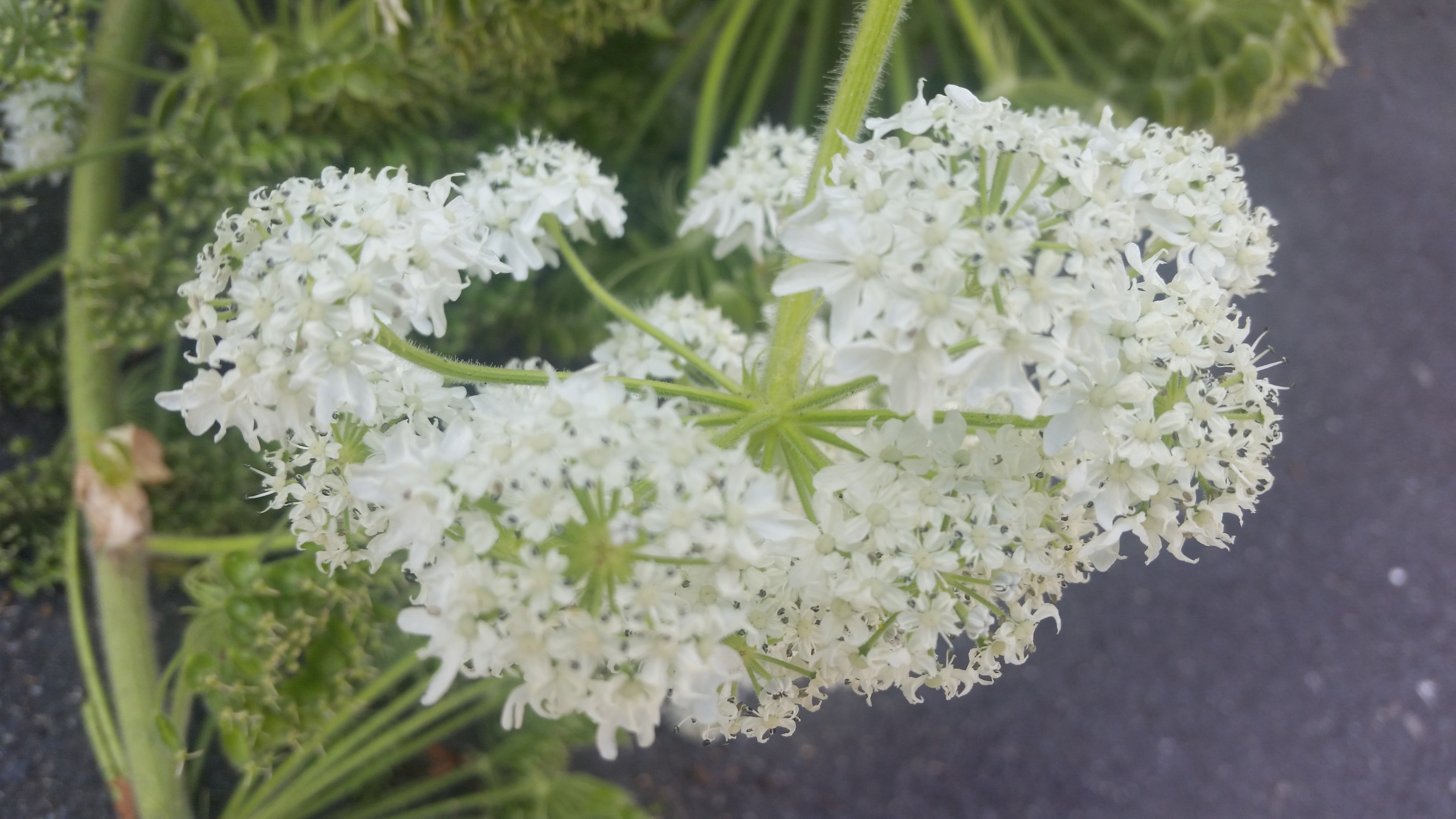
ORC Biosecurity team issues a ‘be on the lookout’ for 4 weedy culprits.
Thursday 22 October 2026
ORC Biosecurity team issues a ‘be on the lookout’ for 4 weedy culprits.
This summer, as well as making the most of your garden and getting outdoors, Otago Regional Council is asking you to do Otago a favour by keeping an eye out for these four pest plants. They might be hiding in plain sight in your garden, you could spot one in a paddock or on your favourite walk.
Portfolio lead Councillor Andrew Noone says, "These four plants: giant hogweed, Japanese knotweed, purple loosestrife and Chilean mayten are declared Unwanted Organisms in the National Pest Plant Accord. This means they cannot be sold or be in a place where plants are being sold. They cannot be propagated, bred, multiplied, communicated, released, caused to be released, or otherwise spread, so if you see one or more of them, get in touch with ORC’s Biosecurity team.”


Giant hogweed is a very large, invasive plant from the Caucasus (a region including Armenia and Azerbaijan) whose sap is phototoxic – a reaction like bad sunburn - and can cause severe skin burns when exposed to sunlight. It grows up to 5 m tall, has huge, jagged leaves, and large umbrella-shaped clusters of white flowers.
Giant hogweed thrives in moist, disturbed areas such as: Riverbanks, Roadsides, Waste ground, Woodland edges. One plant produces up to 50,000 viable seeds that spread rapidly along water courses. Forms dense colonies suppressing the growth of native plants and grasses, dies down in winter, leaving infested banks bare of vegetation and liable to erosion or to reinvasion by weed species.


Japanese knotweed, also known as Asiatic knotweed, grows rapidly from an extensive, fleshy underground root system. Has small white flowers between December and April.
Knotweed is a very hardy plant and difficult to control. Originally from Japan, knotweed is a serious invasive pest plant in many parts of New Zealand. It grows to form dense thickets that expand rapidly. It can choke waterways, completely replace any other vegetation. Can be found in shrublands, urban areas, landfills and dumping areas and waterways.

Purple loosestrife is a highly invasive perennial herb that outcompetes native vegetation, disrupts water flow, and can degrade habitats for wildlife, particularly wetland birds.
This plant can block access to waterways, impact irrigation systems, and reduce the quality of hay and pasture due to its unpleasant taste. It produces many seeds, with each plant capable of producing 2.5 million of these annually. Seeds can be dispersed by wind, water and contaminated machinery, making it difficult to control once established.
Purple loosestrife is locally established in Ōamaru, with scattered populations in Tapanui and Dunedin. It is found in a few locations across the region, primarily in wetland and riparian habitats.


An emerging pest in Otago, ORC are keen to build a better idea of the spread and distribution of this pest plant. This evergreen tree is fairly cold-hardy and drought resistant. It is cultivated as a small to medium sized tree, typically reaching 6–8 m after several decades.
Mayten is spread by aggressive root suckers that can form dense thickets more than 10m away from parent tree, and seed.
Chilean mayten can establish in a wide range of habitats including open pasture, shelterbelts, parklands and native plantings.
When it’s still a shrub, Chilean mayten is easily overlooked and under-reported. Unless in fruit, it is rather nondescript with its small evergreen leaves and few distinguishing features. As a shrub it sneakily resembles several native New Zealand plants, such as māhoe and some lacebarks. As a mature tree, Chilean mayten can be confused with several exotics, including weeping willow and pepper tree.
In New Zealand Chilean mayten flowers from late August to October, so right now is the best time to spot it.
Call: 0800 474 082
Email: biosecurity@orc.govt.nz

If you think you have seen one of these pests (or any others), we need to know. Please report it.

Giant hogweed is a very tall toxic plant with white flowers and purple-spotted stems. Its sap can cause burns, blisters, and even blindness | Organism of interest. Report this pest!

Japanese knotweed is a fast-spreading weed, that can grow from pieces of root or stem. It quickly takes over an area, pushing out native plants and even damaging things like roads, walls, and buildings | Organism of interest. Report this pest!

Purple loosestrife is a tall wetland weed with purple flower spikes that outcompetes natives, and blocks waterways. A single plant can produce up to 2.5 million seeds a year, spread by wind, water, and machinery | Unwanted organism. Report this pest!



