Thursday 8 October 2026
Following on from well-attended engagement in February 2026 aimed at helping Teviot valley residents better understand the risk posed by debris floods, ORC and partner agencies are going back out to the Teviot Valley community to discuss a long list of potential options for debris flood hazard management.
Identifying and evaluating these options is the first stage of a broader conversation with the community about ways to reduce risk. After community feedback on the long-list, the team will help winnow down options into a short-list.
ORC Manager Natural Hazards Dr Jean-Luc Payan says, “This round of engagement is about robust discussions, gathering local ideas and feedback on management options and is just the first phase of a multi-stage optioneering process. If you live in the Teviot valley, we’d love to see you at the drop-in session on Tuesday, the 27th of October from 4:00 – 8:00 PM.”
“Everything is on the table and up for discussion - potential improvement of early warning systems, hands-on citizen action such as erosion planting, hard engineering responses … feedback gathered at this stage will help refine the long-list, with a shorter list of options and high-level costings expected to be presented in early 2027. It’s a process and the community needs to be fully involved.”
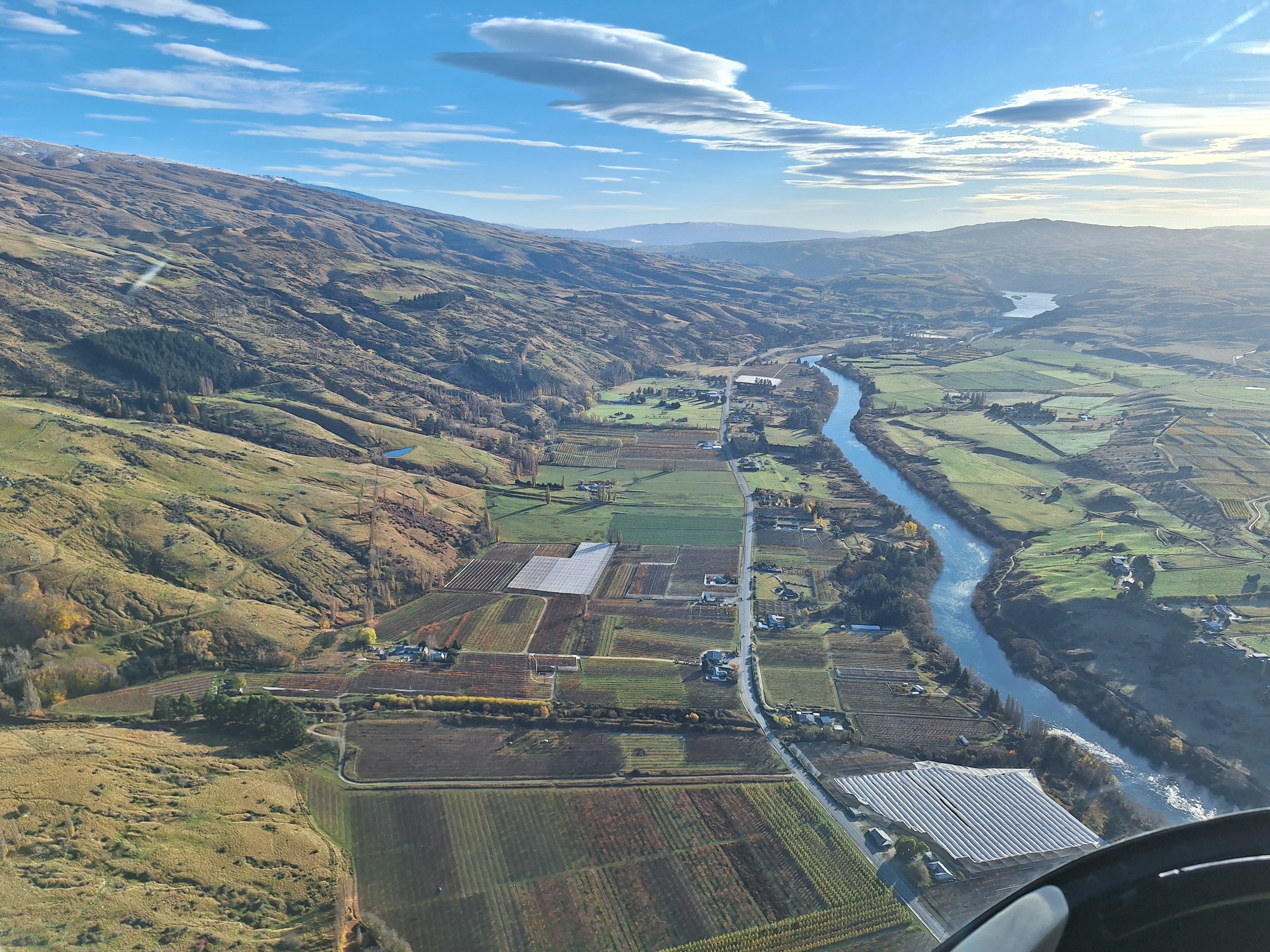
Landforms known as alluvial fans are common in the Teviot Valley where streams emerge from hill country onto the valley floor. They are naturally occurring and have been formed by stream sediment accumulating over time.
Alluvial fans can be attractive places to settle because they are elevated and have good drainage and fertile soil but living on them comes with challenges. Debris floods that occur on alluvial fans are fast-moving flows of water and debris that can cause harm if they reach developed areas. They are unpredictable and can happen quickly and with great power, posing a risk to lives, homes and infrastructure.
In collaboration with Central Otago District Council, NZ Transport Agency Waka Kotahi, Emergency Management Otago, and mana whenua representatives (Aukaha and Te Ao Mārama) ORC is delivering a programme of work that aims to improve understanding and management of debris flood hazards in the Teviot Valley.
In the first phase we shared findings from the Roxburgh Debris Flood Detailed Hazard and Risk Study for 13 catchments in the Teviot Valley and the possible effects of debris floods on people, places, and key infrastructure. A multi-stage optioneering process is now underway to identify feasible hazard management options and pathways to implementation.
If you live in the Teviot valley, please come to a drop-in session and presentation on October 27 to learn more and share your thoughts, or read the details online at: www.orc.govt.nz/roxburghhazards
When: 27 October 2026
Venue: Roxburgh golf club, 280 Scotland Street, Roxburgh
The drop-in session will run from 4:00 – 8:00 PM with a one-hour presentation at 6:30 PM.
Learn more about debris flood hazards in the Teviot Valley area. Drop in from 4pm or stay for the presentation.
Roxburgh sits on alluvial fans- fertile land shaped by streams over time. But this landscape is prone to natural hazards, including debris flows. Learn about the types of hazards that affect the area, why they occur and what risks they pose.
