Thursday 10 September 2026
Community air quality monitoring in Wānaka and Hāwea has revealed significant differences in outdoor air quality across the basin, from low pollution levels in some areas to higher levels in others.
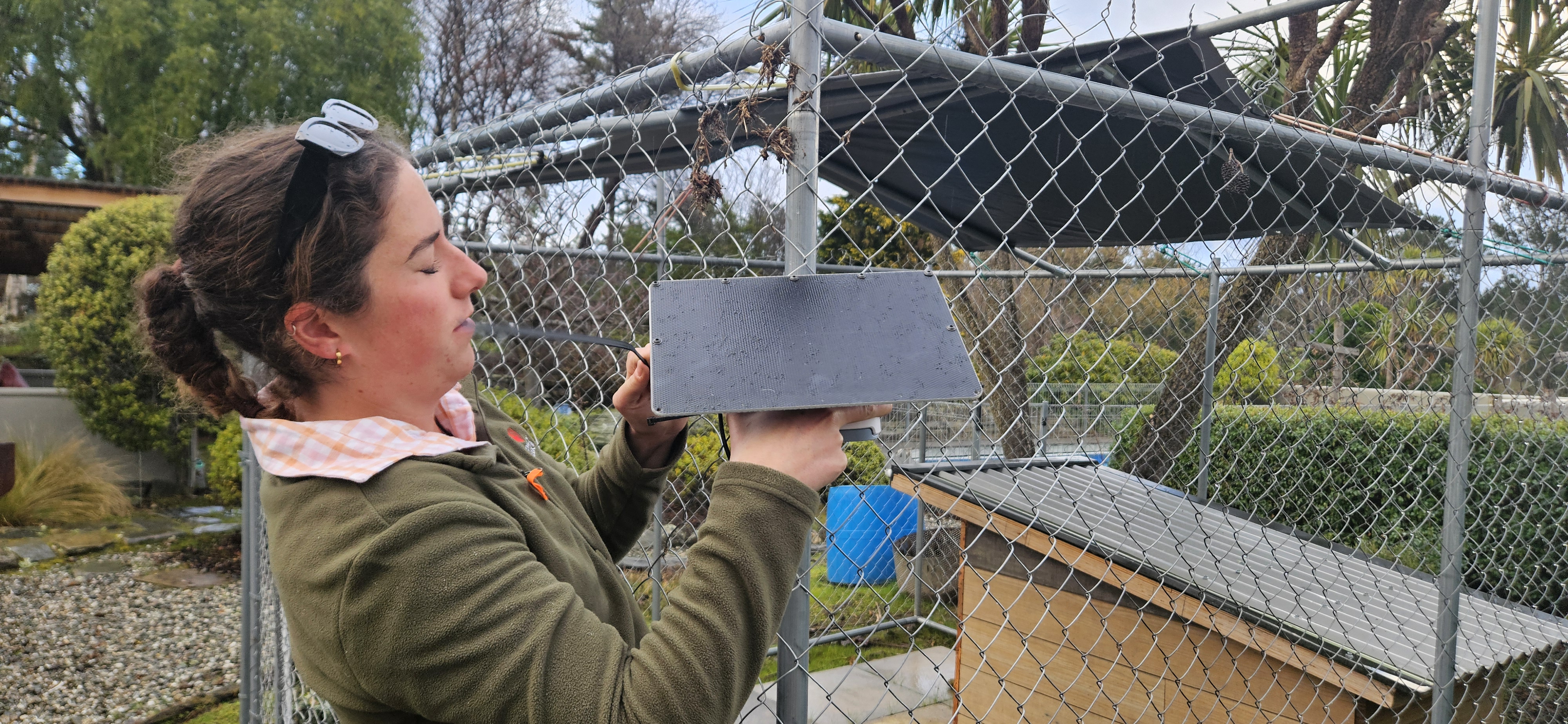
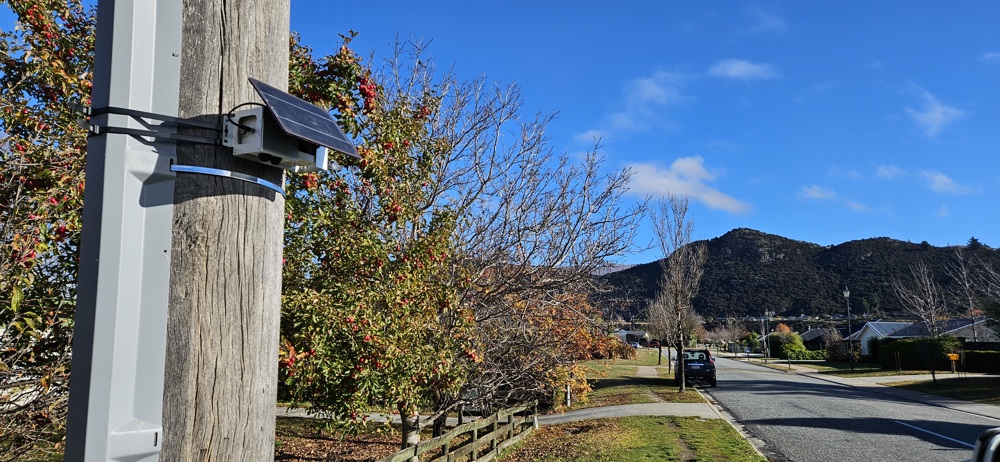
The eight-week project, commissioned by Otago Regional Council and delivered by The Air Quality Collective (AQC), involved monitoring at 47 households across the Wānaka and Hāwea area, providing a much more detailed picture of local air quality than could be achieved with a single fixed monitoring site.
The Air Quality Collective Director and air quality scientist, Dr Ian Longley, said “We’ve seen big differences in outdoor air quality across the basin, with home heating and rural burning playing roles.
“Results showed that where people live can make a significant difference to the air they experience. Some parts of the basin also have naturally poor airflow, meaning smoke can become trapped.”
Dr Longley said the results showed that the impact of future urban development on air quality could vary across the basin, depending on local conditions.
“Air quality in parts of the basin is likely to be particularly sensitive to increases in emissions as the area continues to develop. In places where smoke does not disperse easily, even small increases in emissions can lead to noticeable increases in pollution.”
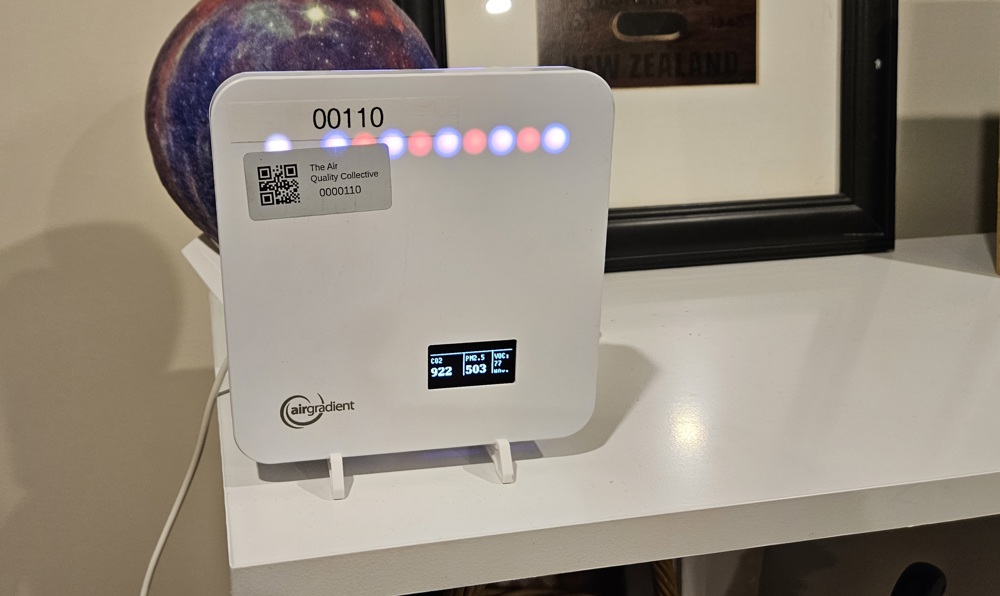
The monitoring also highlighted significant differences in indoor air quality between participating homes, with many householders surprised by what the monitoring showed.

“Indoor air quality isn’t necessarily the same as the outdoor air quality immediately outside, and the monitoring has given householders a much better understanding of what they are actually breathing,” Dr Longley said.
Monitoring indoor air quality provides an important insight into how homes respond to smoke outdoors. The results showed that outdoor smoke can enter homes and, in some cases, remain trapped indoors for a long time before returning to normal levels, meaning people can continue to be exposed even after they have moved inside.
“In some cases, homes can actually increase people’s exposure to smoke rather than protecting them from it. That’s an important finding for understanding how we can reduce exposure to outdoor smoke,” Dr Longley said.

ORC is responsible for monitoring and managing air quality across Otago and commissioned this project to improve understanding of air quality in the Wānaka and Hāwea communities.
ORC air quality scientist, Sarh Harrison, says “This community-based monitoring has given us a much richer picture of air quality across the basin and helped us better understand the role of emissions, weather and geography.”
The project also involved local schools. A Year 3/4 class at Hāwea Flat School and a Year 5/6 class at Te Kura O Take Kārara have been exploring air quality at their schools, reviewing incoming data from participating households and learning about ways to improve indoor air quality.
Ms Harrison said involving students and households was an important part of the project.
“There is more to this project than collecting data. It has given local people and students an opportunity to understand air quality in their own communities and think about practical ways to reduce exposure and improve the air we breathe.”
The monitoring results will provide valuable supplementary information for ORC’s wider air quality monitoring network and help inform future work to understand and manage air quality across the region.
Further analysis of the project data will be undertaken, with findings to be shared with participating schools, households, and the wider community.
Public meetings have been scheduled to present these early findings to the communities:
Wednesday 16 September, 6-7pm
Lake Hāwea Community Centre, 28 Myra Street, Lake Hāwea
Thursday 17 September, 6-7pm
Te Kura O Take Kārara, 3 Grace Wright Drive, Wānaka