Tuesday 2 December 2025
With warmer weather arriving and more people heading to their favourite rivers, lakes, and beaches, ORC launched its annual summer water monitoring programme yesterday.
Each year, ORC’s environmental monitoring team collects weekly samples from popular freshwater and coastal swim spots to check whether the water is safe for swimming and other recreation.
“This work is about ensuring people have the knowledge they need to make safe choices before heading out for a swim”,” says ORC Water Quality Scientist, Helen Trotter.
“Our team visits 36 sites every week over summer to test for bacteria and check for signs of toxic algae (cyanobacteria). It’s a big effort, but it’s essential for keeping communities informed.”
Monitoring of the 36 sites will continue through to 31 March.
Results are updated on LAWA (Land, Air, Water Aotearoa), a national platform that brings together water quality information from councils across New Zealand.
“LAWA is the best place to check before you swim,” says Ms Trotter. “Latest results are displayed on the map using a simple traffic-light system. Long-term site grades and a range of factsheets are also available to help people understand water quality and stay safe around waterways.
Ms Trotter says water quality can change quickly, especially after rain. “Rain can wash contaminants into waterways and lead to a temporary increase in bacteria levels. Avoiding swimming for 48 hours after rain allows time for bacteria and other harmful bugs to dilute and settle out, while sunlight and natural processes help reduce their levels, making the water safe again.”
She encourages people to become familiar with LAWA’s Swim Smart Checklist. “We can’t monitor every spot so following these practical tips is a great way to make informed choices no matter where you swim this summer.
ORC has carried out recreational water monitoring since 2006.
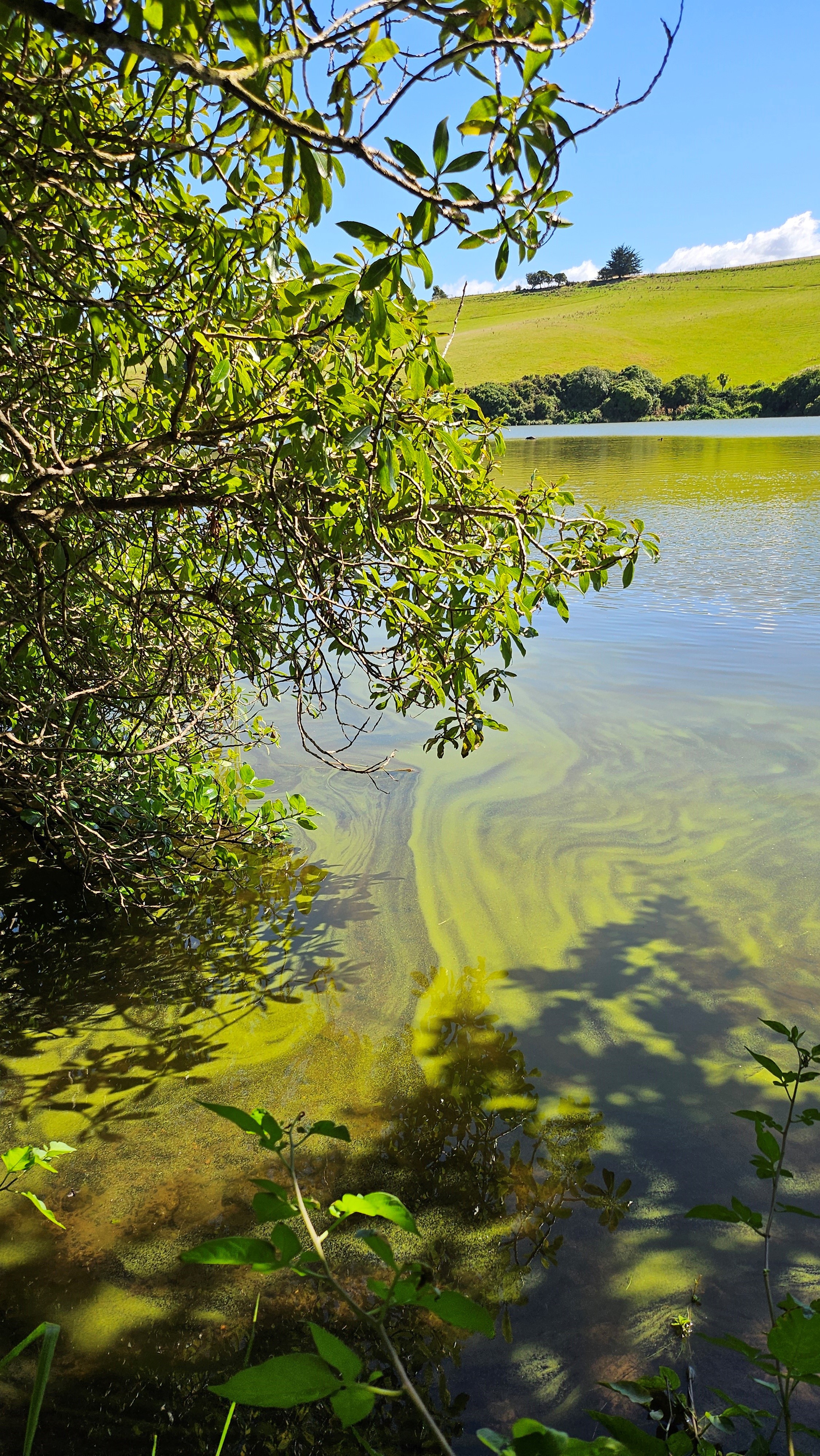
Toxic algae (cyanobacteria) can occur in rivers and lakes throughout Otago. Blooms are more likely in summer when warm temperatures, low flows, plenty of sunlight, and the right nutrient conditions create an environment where they can grow quickly.
“Our monitoring is focussed on popular recreation sites, but toxic algae can occur in many waterways across the region, so it’s important people know what to look for. Both LAWA and the ORC website are great places to learn.” says Ms Trotter.
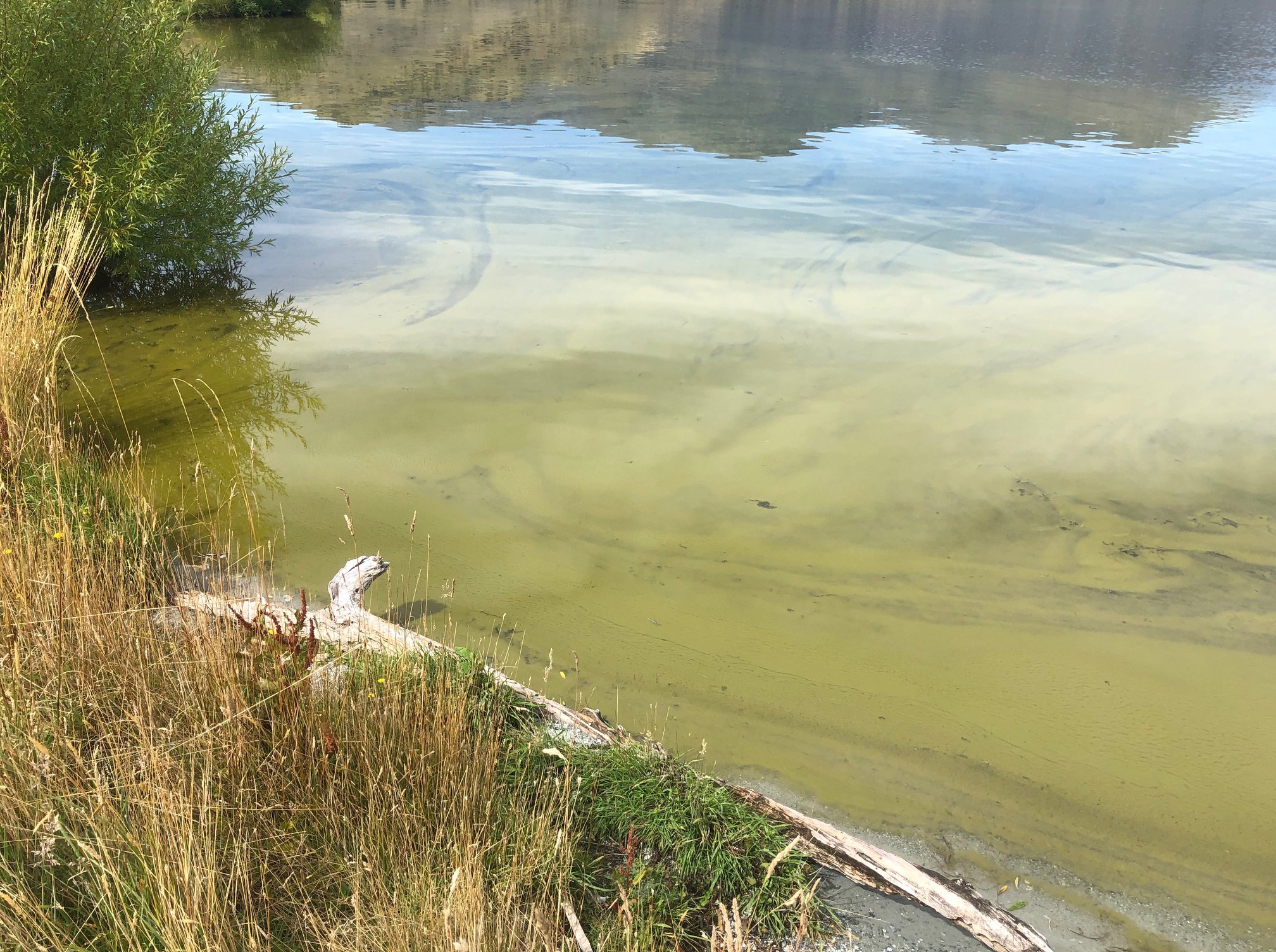
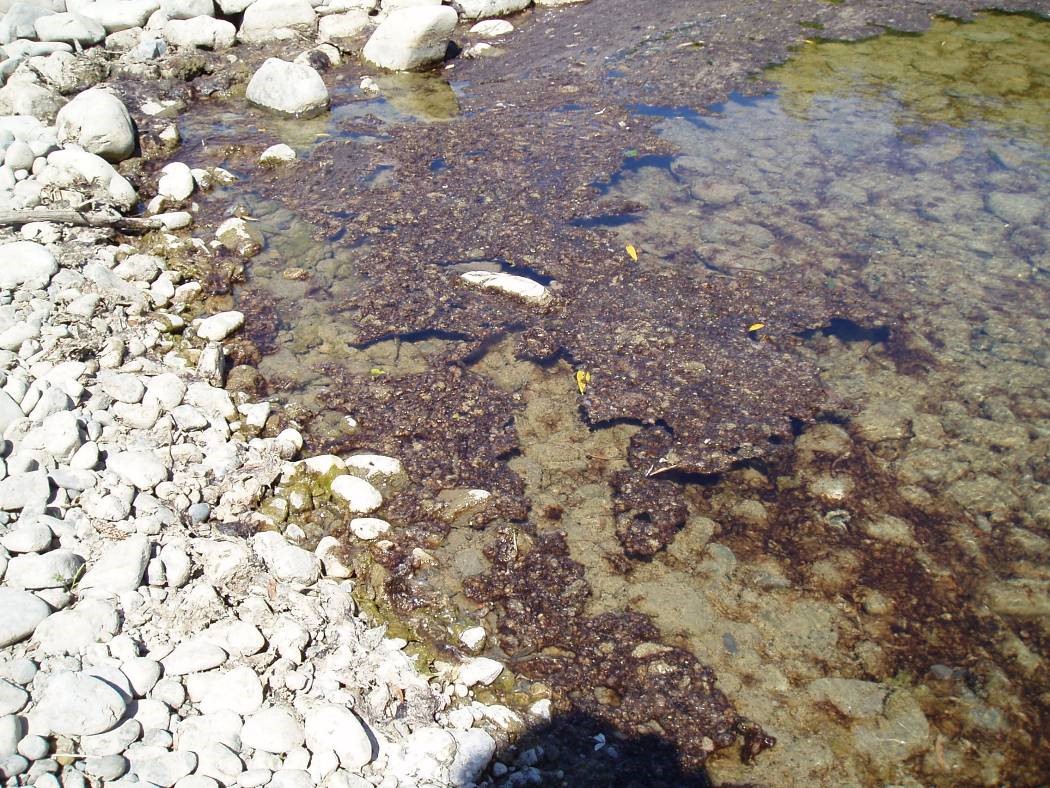
In lakes, toxic algae appears as green “pea soup” or scums on the surface of the water. In rivers, toxic algae occurs as dark brown or black mats attached to rocks, often with a musty smell. These mats can detach and form in floating rafts at the water’s edge or wash up on banks where risks to dogs and children are highest.

Toxic algae has a pea soup-like appearance in lakes (left) and is identified by dark brown mats in rivers (right)
Because blooms can develop quickly and not every site is monitored, ORC encourages people to be aware of toxic algae while enjoying waterways.
“Any current toxic algae warnings and a list of known hotspots are updated on the ORC website throughout the summer.” Ms Trotter says.
Permanent signage is being used at some high-risk sites across Otago to help people recognise the f toxic algae and understand the precautions they should take.
Naturally occurring algae can be toxic and harmful to human and animal health. Learn more about toxic algae and see a list of sighted and confirmed areas with toxic algae in Otago.
Enjoy the refreshing waters of Otago’s stunning lakes and rivers - make the most of our summer and have fun. But remember, safety comes first. We've put together some essential safety tips and things to avoid, helping you have a safe and memorable summer.