Media release
African feather grass incursion confirmed in coastal Otago
Wednesday 1 April 2026
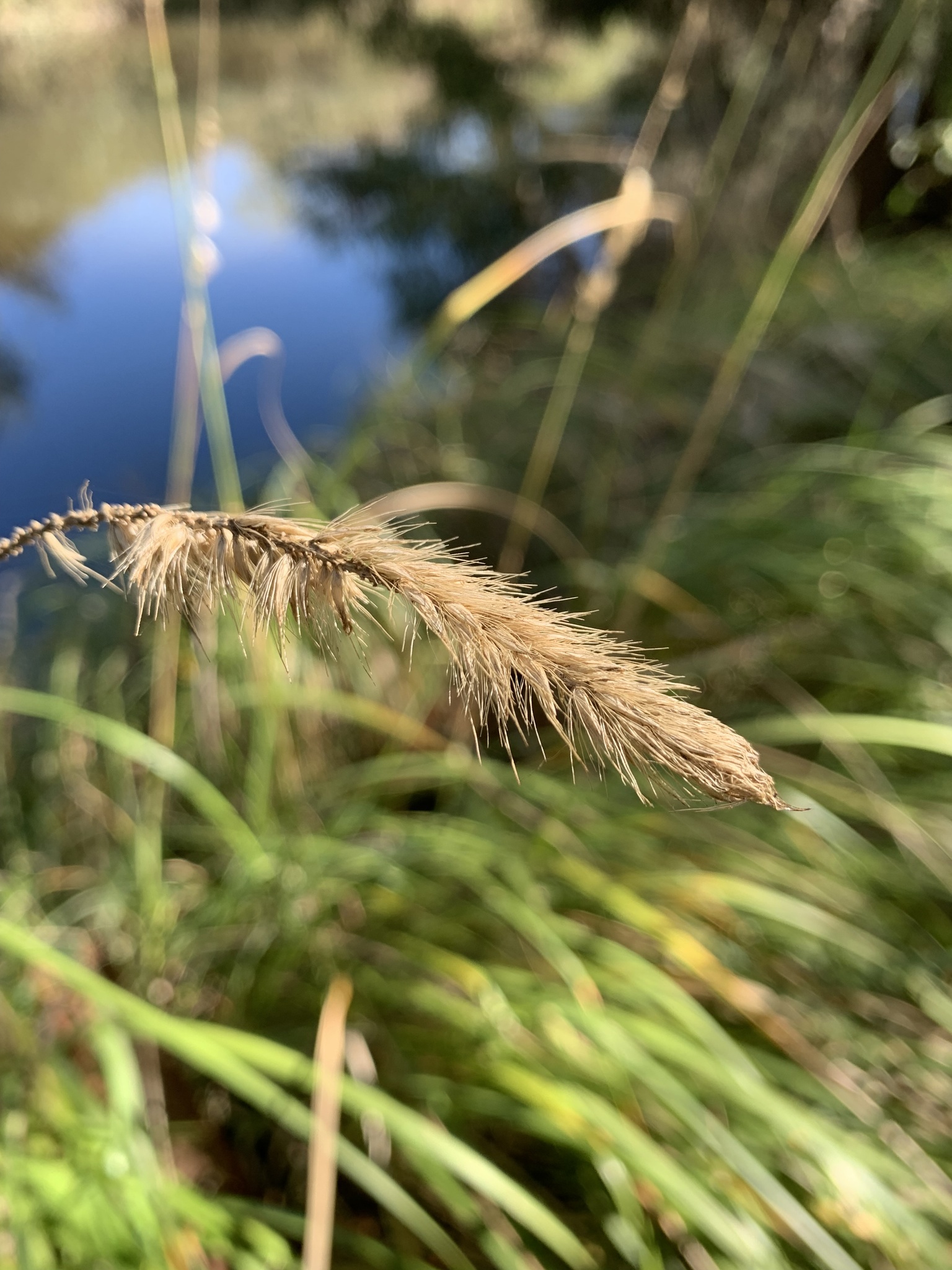
Exclusion pest reported by a member of the public
Wednesday 1 April 2026
Exclusion pest reported by a member of the public
This was originally identified as "East Otago" and has since been corrected to coastal North Otago.
The Otago Regional Council (ORC) has confirmed that an incursion of African feather grass, an exclusion pest species in the Otago Regional Pest Management Plan, has been found in a coastal part of North Otago.
The incursion was reported to ORC by a land occupier who realised that the plant growing locally may have been a pest species.
ORC Biosecurity staff visited the location of the suspected incursion and took a sample of the plant, which was then sent to Allan Herbarium & Plant Identification Services in Lincoln.
Technical experts from Bioeconomy Science Institute - Manaaki Whenua Landcare Research fast-tracked a formal identification. Confirmation that it is African feather grass was received yesterday.
Environmental Delivery Portfolio lead Councillor Robbie Byars says, “ORC wishes to extend our sincere thanks to the land occupier who reported this pest species. Their vigilance has been critical in preventing the infestation from spreading further, helping to ensure the response remains manageable and reduces the need for significantly greater resources.”
African feather grass is a tussock-like grass that forms thick clumps up to 2m high. It produces large amounts of seeds, which are easily spread by wind and can be carried on clothing. This species is named as an exclusion pest in ORC’s RPMP as it can impact on Otago's production and economic values through its rapid spread, crowding out valuable grazing land, leading to decreased productivity.
As an exclusion pest, Council has a responsibility under the Plan to preclude establishment of African feather grass within the Otago region to prevent adverse effects on economic well-being and environmental values.
There are no land occupier rules associated with the exclusion pest species in the RPMP and ORC is responsible for any incursion control of African feather grass.
“ORC is responding with urgency to this infestation and treating it as a priority to get it cleared – it is critical to get on top of weeds like African feather grass early before any risk of it spreading,” says Councillor Byars.
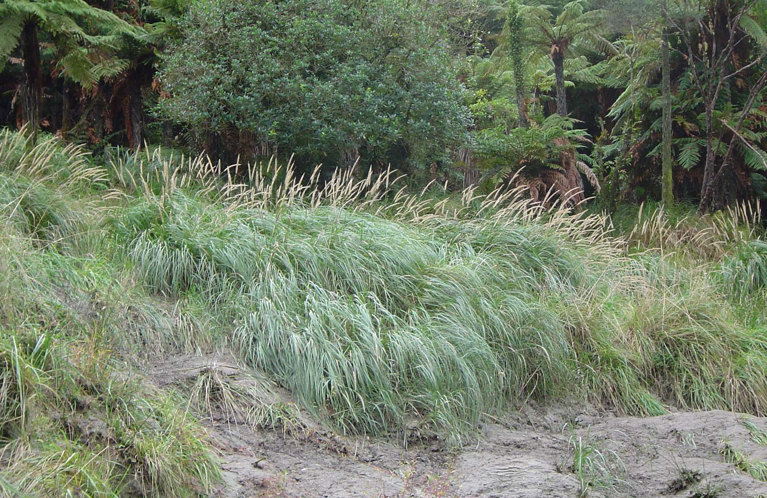
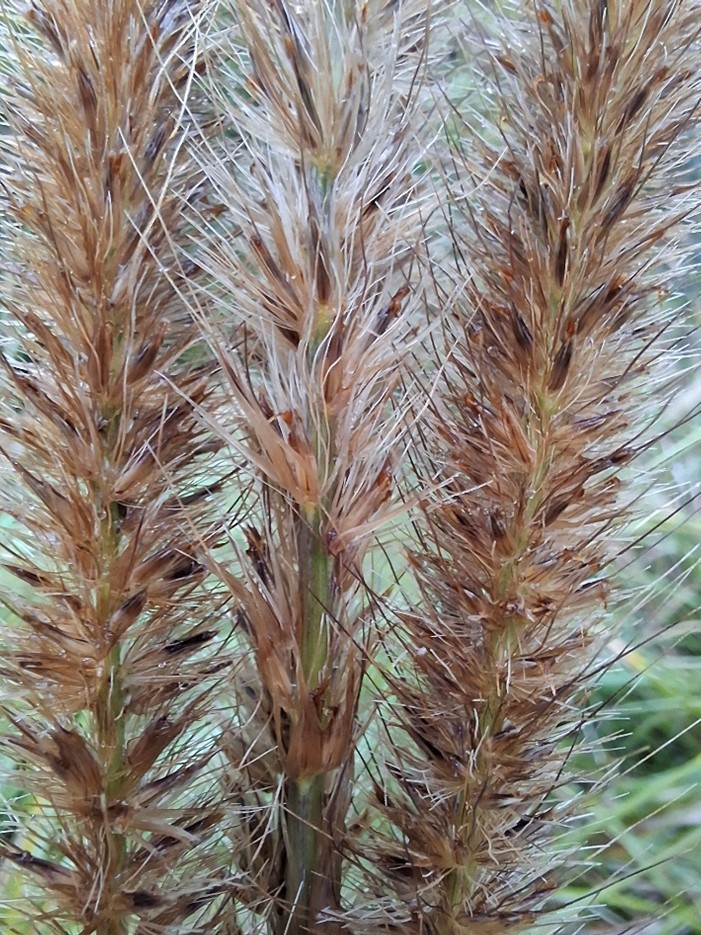
ORC are currently surveying the wider area to determine the extent of the infestation. An incursion response plan has been developed and will be implemented. As part of this response plan, all plants will be removed from the site, and the site will be subject to surveillance until ORC can be confident that the risk from the seed bank has passed.
There are no other known sites of African feather grass in Otago.
This plant is an exclusion species for both Otago and is a progressive containment species in Canterbury, Bay of Plenty, Horizons and Northland, a sustained control species in Marlborough and eradication species in Waikato, Hawkes Bay, Auckland, Gisborne, West Coast and Tasman-Nelson.
We urge the public to support ORC's pest management efforts by reporting suspected priority pest species through the Report-a-Pest form on our website:orc.govt.nz/reportapest

A tussocky grass that forms thick clumps up to 2m high. | Exclusion. Report this pest!

The Otago Regional Pest Management Plan 2019–2029 sets out how pest plants and animals are managed across Otago under the Biosecurity Act 1993. The plan is now being reviewed to ensure it remains effective and resilient. Learn about purpose of the plan, why the review is needed, and how you can get involved in the process.

We want to hear about all pests found, but if you see any of these, please get in touch urgently, and with as much detail as you can



