Media release

ORC Confirms Funding Model for $2M Environmental Fund

Friday 1 May 2026

Otago Regional Council (ORC) has confirmed the model it will use to deliver its $2 million Large-scale Environmental Fund, with the final process to be decided in June.

ORC Councillor and Environmental Delivery portfolio co-lead Andrew Noone says the fund delivery model will combine a contestable model with a targeted investment approach. 
 
“This model gives Council staff flexibility to both identify suitable delivery partners and allow community groups and organisations to propose projects aligned with Council priority actions or Catchment Action Plan delivery. It maintains open, transparent access to funding across Otago, while enabling Council staff to target community groups and organisations who are known to have the capability and capacity to deliver priority actions.”  
 
The Large-scale Environmental Fund was approved by ORC Councillors in June last year as part of the Long-Term Plan 2024–2034, with up to $2 million allocated annually to enable delivery of high-impact environmental outcomes across Otago.  
 
“ORC already delivers environmental funding through both application-based (contestable) and direct allocation models. This fund builds on these existing tools by enabling larger projects and focusing investment on Councils priority actions,” says Cr Noone.   
 
“The Large-scale Environmental Fund represents a significant increase in ORC’s commitment to Otago’s environment and is aimed at delivering measurable gains in biodiversity, ecosystem health, and climate resilience.” 
 
Under this approach, projects will be developed in alignment with Council priority actions in partnership with selected organisations, while remaining open to proposals from other organisations.  
 
“All projects will be developed collaboratively and subject to monitoring and reporting. This approach offers the greatest flexibility, balancing strategic focus with community access,” says Cr Noone. 
 
Council’s approach to large-scale funding is guided by three key principles:

  • Intergenerational impact – achieving enduring impacts that are in partnership with mana whenua and communities.   
  • Facilitating collaboration across the system – ORC takes a leadership role of the funding system, but local leadership and action is driven by communities.    
  • Alignment to organisational strategy and strategic direction – knowing that the right investment decisions are being made in the right place at the right time to support ORC’s strategic directions and goals as set by Council.   


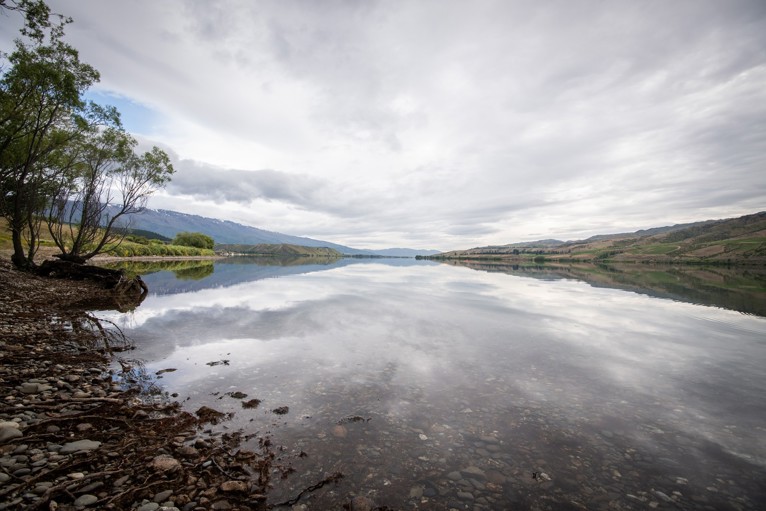
Lake Dunstan


Supporting regional priorities

Cr Noone says the fund could also support the delivery of Catchment Action Plans, which are being developed across Otago to guide catchment-based environmental work as part of ORC’s Integrated Catchment Management programme.  

“We’ve got The Catlins and Upper Lakes Catchment Action Plans up and running and another five to be completed over the next 18 months to two years. Those catchments will require a leg up in terms of funding, and the Large-scale Environmental Fund will make a considerable contribution to enabling those Catchment Action Plans to be implemented by communities. ORC is an environmental organisation; we promote the sustainable development of natural resources whether that’s land, air, or water, and this fund aligns strongly with our overall purpose,” says Cr Noone.

Next steps

Council staff will develop a delivery process which will be presented to the Council in June.

Background

Through the Long-Term Plan 2024-2034, Council consulted on a proposed increase in environmental funding of $500,000 per year from 2025/26 to support large scale environmental projects. Following consultation, in June 2025 Council unanimously approved the allocation of up to $2 million annually to support large scale environmental projects. The $2 million per-year fund will initially be funded from Council reserves and is separate from the ORC’s annual ECO Fund.

In February this year, Council received a presentation from staff outlining a potential targeted investment approach. This provided an opportunity for Council to discuss other potential delivery frameworks. Staff collated the feedback from Council and developed three practical delivery model options:

  1. A Targeted Investment Approach (directed funding) 
  2. A Contestable Funding Approach (open application)  
  3. A combined approach that enables both targeted investment and open expressions of interest aligned to Council priority actions.  

Councillors also had the option to not progress any model option and instead request further work be undertaken on the funding framework and alignment with other Council funding mechanisms.