ORC has partnered with The Air Quality Collective to deliver a community science project running in Ōamaru, Wānaka and Hāwea this winter.
The project will work alongside local schools to investigate how air pollution moves through neighbourhoods and into homes, while helping students and communities better understand their local environment.
ORC Air Quality Scientist, Sarah Harrison, said the project was an opportunity to build a clearer picture of air quality in parts of Otago where less monitoring information currently exists.
Modern portable air quality monitors will be used by participating households and volunteers, allowing children and families to collect and explore real-world data from their own homes and communities.
“ORC has spent many years monitoring air quality across Otago, particularly in communities where winter home heating smoke can build up during calm conditions,” Ms Harrison said.
“But there are still areas where we need to better understand local conditions, especially in fast-growing communities like Wānaka and Hāwea. What makes this project exciting is that we’re bringing the community along with us as part of that discovery process.”
“Rather than simply placing monitors in the background, this project gives students, whānau and local volunteers the chance to help collect data, ask questions and better understand how air quality affects everyday life.”

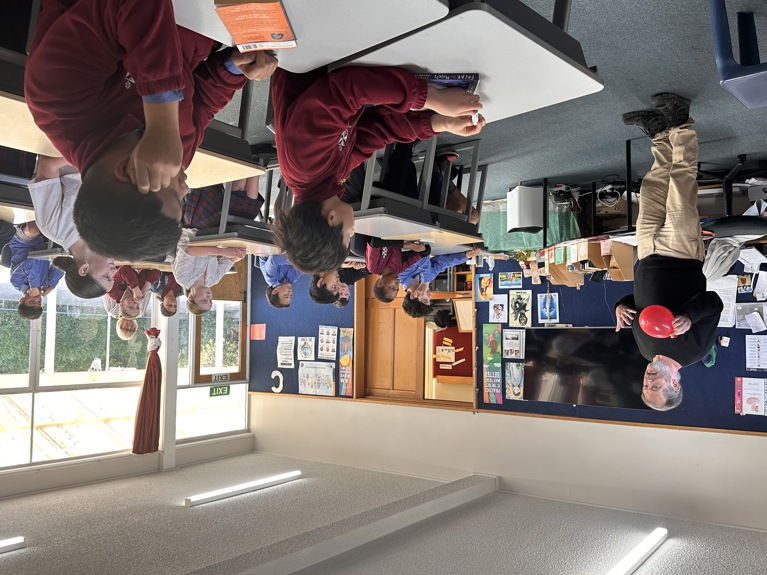
The project kicked off this week at St Joseph’s School in Ōamaru with Dr Ian Longley, Director of The Air Quality Collective, introducing students to some basic principles of air quality and how it can be monitored.
The programme will later expand to schools in Wānaka and Hāwea as the project continues through winter.
Dr Longley says advances in monitoring technology were opening new opportunities for communities to take part directly in environmental science.
“Air quality monitoring technology has changed enormously over the past few years,” Dr Longley said.
“We can now use smaller, simpler equipment that allows communities to become directly involved in understanding their own environment. That’s incredibly powerful because it turns air quality from something intangible into something people can discuss and learn about together.”
“The goal isn’t just to gather scientific information — it’s to build curiosity, understanding and local ownership of the data and the conversations that come from it.”
As part of the six-week programme, participating students aged 9–13 will help manage a fleet of portable monitors, undertake classroom experiments, and share their learning with classmates, friends, and family.
Ms Harrison said the project reflected a growing focus on community-led environmental understanding.
“We know communities care deeply about the places they live, and projects like this help connect people with the science in a practical and meaningful way”.
“This is an investigative project — we don’t yet know exactly what we’ll find — and that’s part of the value. The information gathered will help improve our understanding of local air quality and support future conversations and planning.”
The project is focused on learning and community participation, not compliance or enforcement.
ORC and The Air Quality Collective emphasise that monitoring equipment associated with the project are not used for regulatory enforcement purposes.
Project updates, photos, and findings will be shared throughout winter via ORC and The Air Quality Collective websites and social media channels.
You can follow progress on these projects at The Air Quality Collective’s project page.


