-
-
-
-
-
-
-
-
-
-
-
Taiari / Taieri Catchment Action Plan
-
-
-
-
-
-
-
-
-
-
The Taiari/Taieri Integrated Catchment Group will be responsible for developing the Catchment Action Plan (CAP) that centres on protecting and enhancing the ecosystems of the whole Taiari/Taieri catchment from mountains to the sea - ki uta ki tai.
Visit our Catlins CAP and Upper Lakes CAP hubs to see the plans these communities have co-developed for their catchments
Learn more about the CAP process and membership of the Integrated Catchment Group:
A Taiari/Taieri Integrated Catchment Group has been established. The group operates under Terms of Reference.
Being a member is a 12–month commitment and involves:
- Six in-person workshops (2-5 hours each)
- Bringing your expert local knowledge and doing a little homework
- Connecting with your organisation’s data as appropriate
- Acting as a contact between the CAP and your community
Please wait a moment for the map to load.
Kāi Tahu / Ngāi Tahu
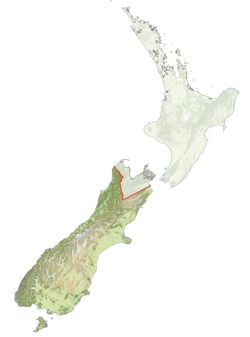
Note: In the South Island, the local Māori dialect uses 'k' instead of 'ng'. The preference in Otago is to use a 'k', so southern Māori are known as Kāi Tahu
Te Rūnanga o Ngāi Tahu is made up of 18 papatipu Rūnaka (local councils). These rūnaka are centred on marae, which are located predominantly in traditional coastal settlements, though their takiwā (area of interest) extends inland to the Southern Alps.
Papatipu rūnaka are a contemporary focus for whānau and hapū (extended family groups). Through this tribal council structure, Te Rūnanga o Ngāi Tahu is accountable to the tribal members.
The Ngāi Tahu tribal area covers a large part of Te Waipounamu / the South Island (see map where the green indicates the tribal area).
Our Local Rūnaka Partners
Papatipu Rūnaka (local councils) are a contemporary focus for whānau and hapū (extended family groups) who have mana whenua status within their area. Mana whenua hold traditional customary authority and maintain contemporary relationships within an area determined by whakapapa (genealogical ties), resource use, and ahikāroa (the long burning fires of occupation).
The Papatipu Rūnaka (local councils) with interests in the Taiari/Taieri are Kāti Huirapa Rūnaka ki Puketeraki and Te Rūnanga o Ōtākou.
Te Rūnanga o Ōtākou
The takiwā (area of interest) of Te Rūnaka o Ōtākou centres on Muaūpoko / Otago Peninsula, and extends from Purehurehu / Heyward Point to Te Mata-au Clutha River, and inland, sharing an interest in the lakes and mountains to the western coast with Kā Rūnaka to the north and south. The Taiari/Taieri and a network of connected waterways, lakes, and wetlands provided a rich and varied source of tuna (eels), waterfowl, birds, and plants to the Taiari/Taieri and Peninsula settlements.
Kāti Huirapa Rūnaka ki Puketeraki
The takiwā (area of interest) of Kāti Huirapa Rūnaka ki Puketeraki centres on Karitāne and extends from the Waihemo River (Shag River) to Purehurehu Point (north of Heyward Point) and extends inland to the Main Divide, sharing interests in the lakes and mountains to Whakatipu-wai-tai with Papatipu Rūnanga to the north and south.
Visit: https://puketeraki.nz
Being a member of the Integrated Catchment Group is a voluntary role. Members generously contribute their time and perspectives because they care about the future of the Taiari/Taieri catchment.
The CAP’s strength lies in the partnership and collaboration across agencies, mana whenua, community groups, organisations, stakeholders, and landowners, as well as its large landscape-scale scope.
While the CAP itself does not provide funding, it sets out agreed priorities, values, and pressures, along with actions to address them.
Having a clear, collaborative plan will support stronger funding applications, which are more likely to be well received by funders.
Networking and collaboration – Connect with others in the catchment, share diverse perspectives, and build strong working relationships.
Shaping the plan – Contribute your ideas and aspirations (and those of your community) to help create a cohesive and locally meaningful plan for the catchment.
Learning and upskilling – Gain access to resources, data, and knowledge-sharing opportunities to build understanding of the catchment and its challenges.
Practising best-practice planning – Be part of landscape-scale environmental planning using the internationally recognised Open Standards for the Practice of Conservation framework.
We're seeking 11 community volunteer members for the Taiari/Taieri Integrated Catchment Group (TICG).
The TICG will have up to 20 members total:
- Nine seats are reserved for local and national authorities (Otago Regional Council, LINZ, Department of Conservation, Waitaki District Council, Central Otago District Council, Dunedin City Council, Clutha District Council, Te Rūnanga o Ōtākou, and Kāti Huirapa Rūnaka ki Puketeraki)
- Eleven seats will be filled by community members selected through our Expression of Interest process
If you have any pātai (questions) or whakaaro (thoughts, comments), please get in touch with our team at: icm@orc.govt.nz


