Portfolio lead Councillor Kate Wilson says, “We have had good engagement from stakeholders across a broad range, from Federated Farmers to Forest & Bird.”
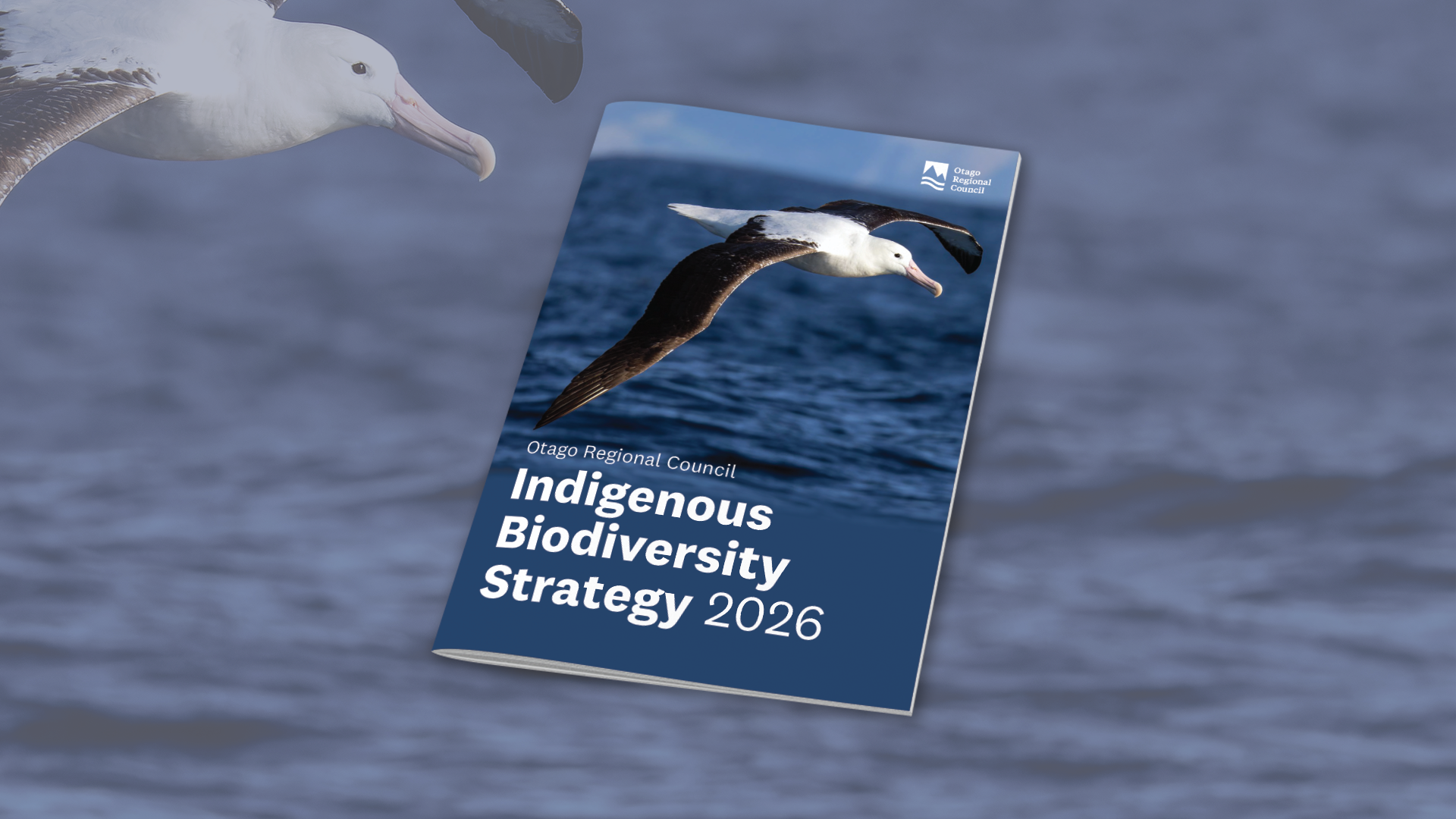
Public feedback in November confirmed strong support for the ORC Indigenous Biodiversity Strategy — 96% of survey respondents agreed with the ambition of the strategy or wanted it to be more ambitious, and 26 of 27 letters supported the approach.
Cr Wilson says, “Impressive work is already being done across the region, led by mana whenua, community groups, businesses and landowners. ORC is already supporting and funding some of this work, and this strategy aims to build on that - to make the most of existing effort and funding and give Otago a platform to attract new funding like philanthropy, grants and biodiversity finance.”
“We want to encourage stewardship, an ongoing commitment to looking after the place, and we’re aiming to make it easier to get the know-how and support to look after the native plants, animals, and ecosystems in your backyard, or on the farm.”
Good efforts will go where they can make the biggest difference
Co portfolio lead Cr Neil Gillespie says change is made possible by a sharper focus: “Since our last strategy we've built up real knowledge of Otago's biodiversity — what's threatening it, and what works. The real change here is using that knowledge to get everyone focusing effort where it makes the biggest difference. That compounds over time, and it's our best chance of maintaining our biodiversity and not losing any more species. Dealing with threats early helps too and keeps the cost down — it's far cheaper to stop a problem than chase it once it's established. Getting projects investment-ready means we can tap things like biodiversity credits to fund more on the ground. And bringing everyone with a responsibility for biodiversity into one alliance, working to a shared plan, means we're all pulling the same way — and any new opportunity gets pointed at what counts. And importantly, more and more projects will be checking whether the work is making a difference — and adjusting if it's not.”
The new biodiversity strategy’s approach was inspired by the Aotearoa New Zealand Biodiversity Strategy - Te Mana o te Taiao and conversations with more than 50 stakeholders: community groups, businesses, landowners and industry groups. It’s part of an ongoing collaboration with DOC and local councils, and ORC’s partnership with mana whenua – who are kaitiaki of Otago’s biodiversity. The approach builds on the community-led catchment action planning ORC is involved in all over Otago and embraces local knowledge held by people across the region, knowledge that mana whenua have developed over centuries, and the expertise of Otago’s biodiversity scientists.
Biodiversity under pressure
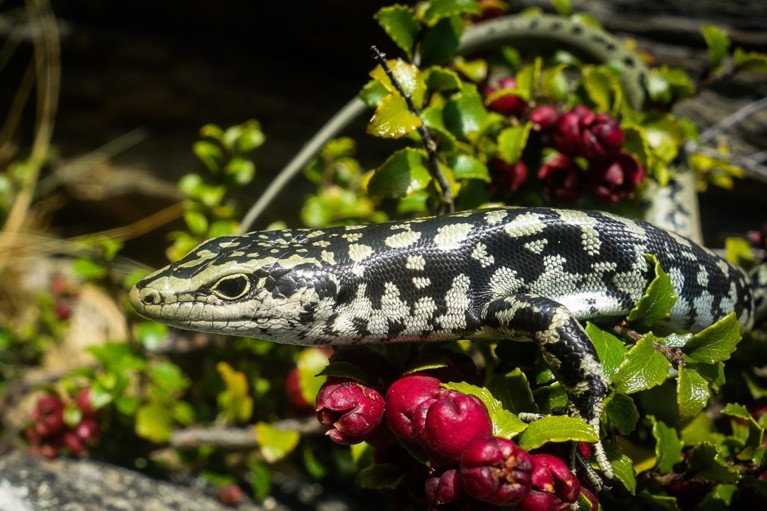
Otago’s biodiversity is under pressure from introduced predators, weeds and browsers, habitat loss, pollution and climate change. 97% of our lizards, 61% of our birds and 42% of our plants are at risk or threatened with extinction.