| Kia ora and welcome! In this issue: the volunteers tackling a prickly problem, changes to lifejacket rules, on the bus to Ōamaru, and good grazing — shout out to our farmers! |
|
| Changes coming to Orbus services from 1 October |
|
| | A new Ōamaru bus service launches this week, providing a new public transport option for people travelling between Ōamaru, the Waikouaiti Coast and Dunedin. The Route 1 extension provides a daily return trip, stopping at nine locations across Ōamaru, as well as Maheno, Hampden, Palmerston, Waikouaiti and Waitati. The service leaves North Ōamaru at 8.21am, heading south, and returns from Dunedin, leaving at 5.05pm. During October, the Ōamaru to Dunedin service will have introductory fares – adult Bee Card holders will be able to travel for $2.50. Zoned fares and new pricing will start on 1 November, and we’ll share more information about this soon. See October’s pricing. Changes have also been made to the Dunedin Orbus network, including updated timetables, increased frequency, route changes, additional school-day services and more electric buses. The changes are designed to improve reliability, connections and services. Find out more about zones and fares at orc.govt.nz/DNbuschanges |
|
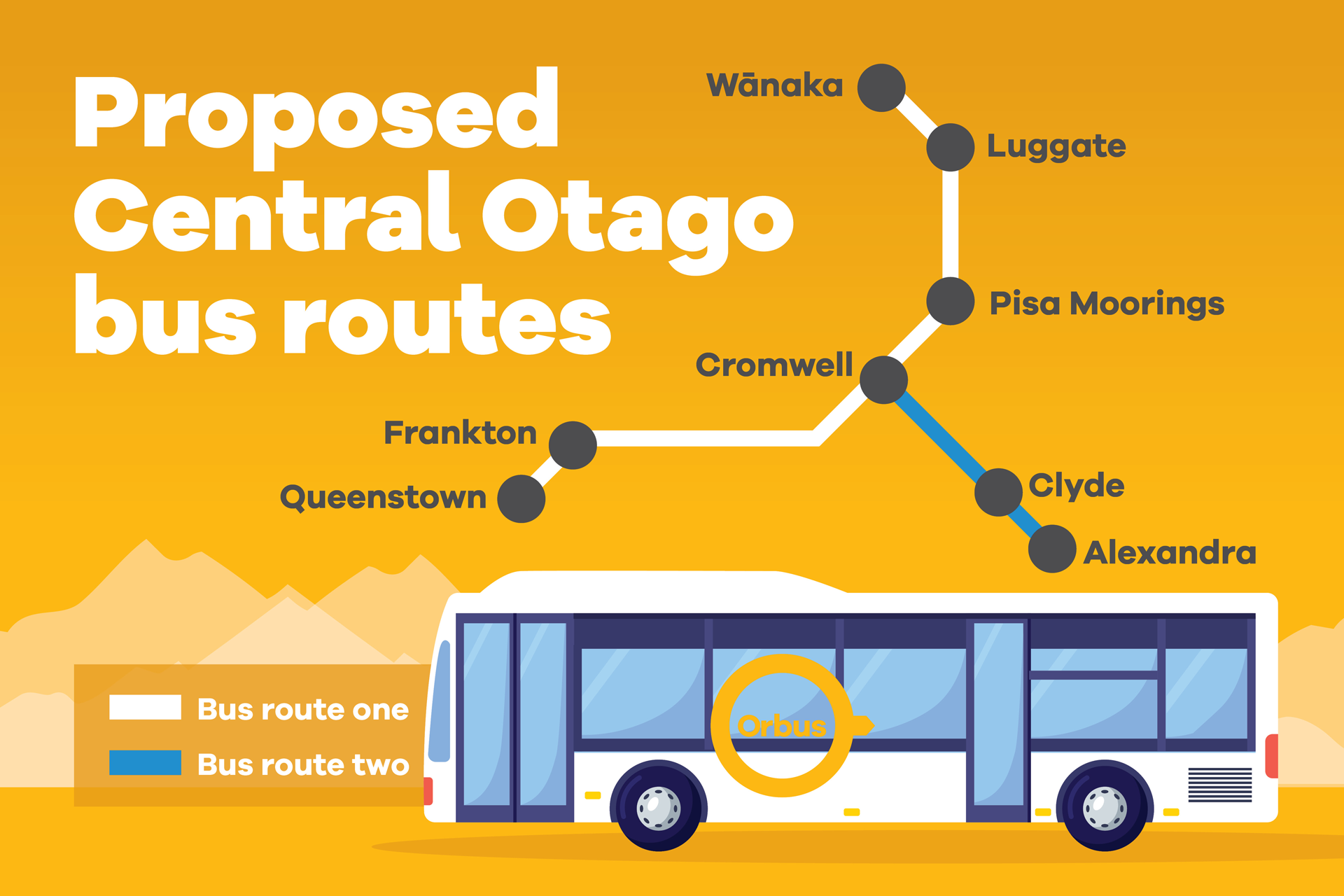
| | Central Lakes and Upper Clutha public transport explored Two proposed public transport services could make it easier to get around the Central Lakes and Upper Clutha in the future. One proposal would connect Alexandra, Clyde, Cromwell and Wānaka with Frankton and Queenstown. The other would provide a local service connecting Wānaka, Albert Town, Three Parks and Lake Hāwea. Business cases have been completed for both. Councillors will consider whether to include these as part of ORC’s Long-Term Plan 2027–37, and if included, communities will have an opportunity to have their say early next year. Find out more about these proposals at orc.govt.nz/lakesbuses |
|
| | New lifejacket legislation aims to save lives |
|
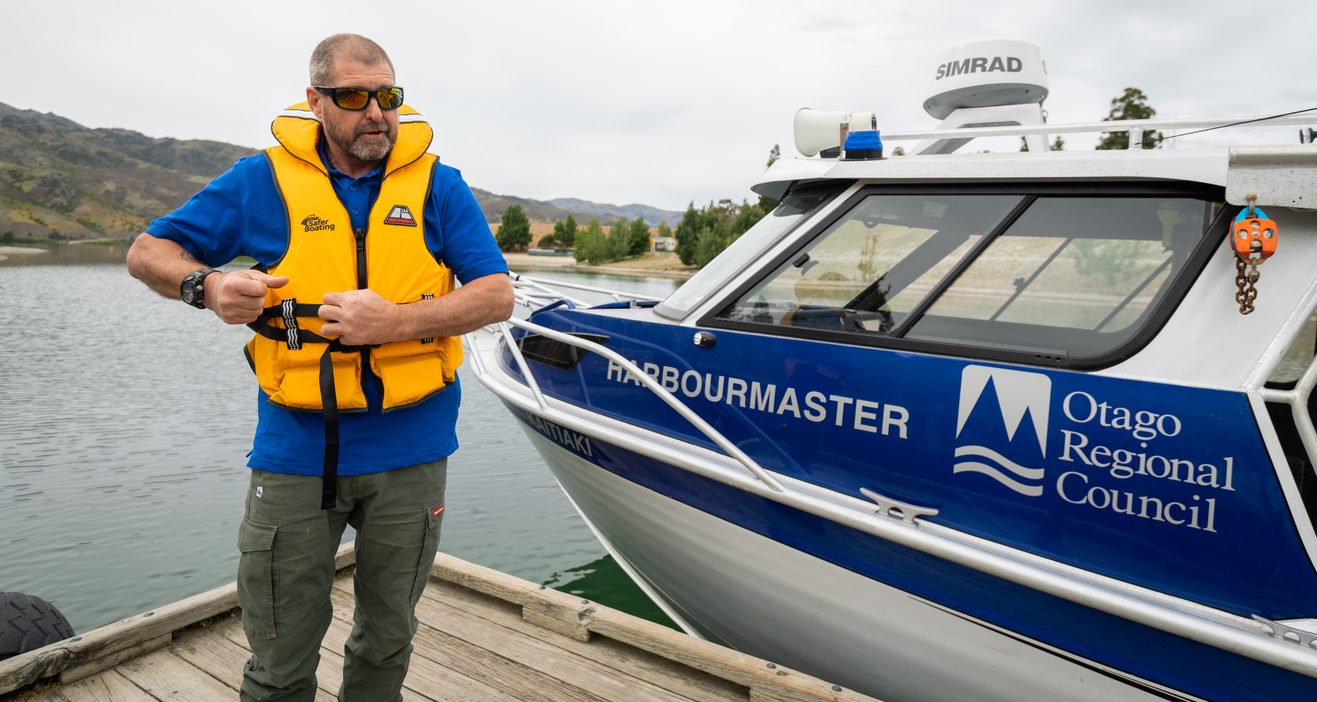
| | ORC’s Deputy Harbourmaster, Pete, makes sure his lifejacket is on securely before heading out on Lake Dunstan |
|
| New lifejacket legislation will require everyone on recreational craft of six metres or less to wear a properly fitted lifejacket, when underway. The legislation is intended to save lives and reduce preventable harm on the water this summer. New legislation comes into effect on 9 October to provide one clear, simple national rule for everyone to follow. It's been reported that in 2025, 17 people died in recreational craft incidents in New Zealand. Twelve of those people were found not to be wearing a lifejacket. The message for anyone heading out on a boat this summer remains simple: wear a properly fitted lifejacket, carry two reliable forms of communication and check the weather forecast. |
|
| Interactive online tool highlights climate change impacts throughout Otago |
|
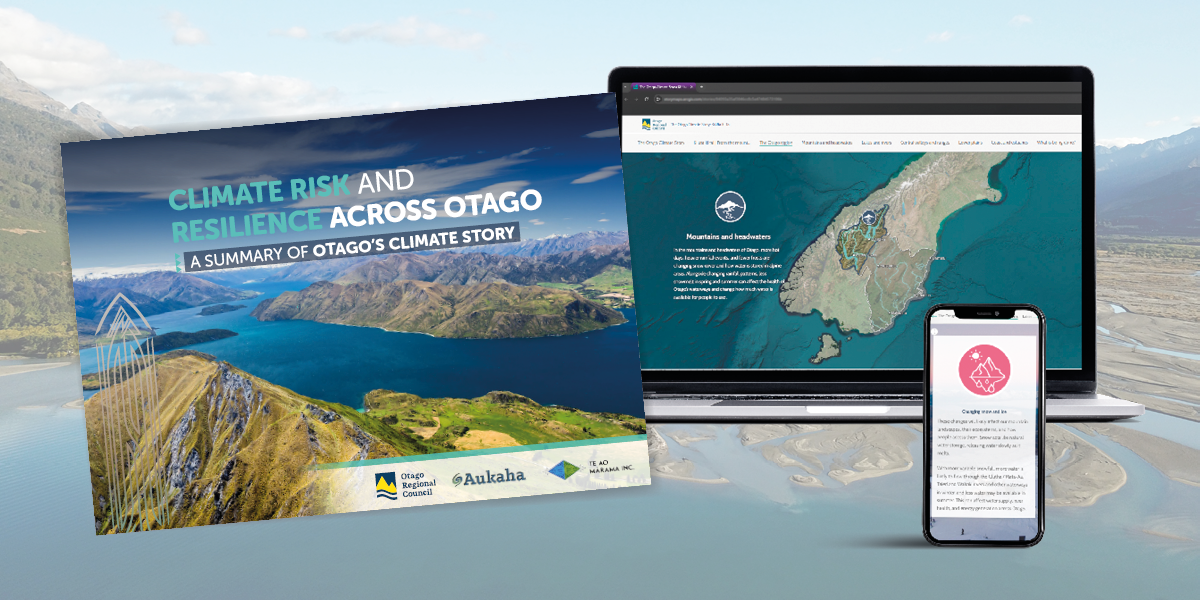
| | Otago residents will be able to better understand the future impacts of climate change with a new interactive online resource now available. ‘The Otago Climate Story: Ki Uta Ki Tai’ helps people understand how their natural environments, towns, cities and communities will be affected by the changing climate in the coming decades. As well as an overview for the whole of the Otago region, individual summaries are provided for Queenstown Lakes, Central Otago, Waitaki, Clutha and Dunedin, providing information relevant to these communities. It explores how the effects of climate change could impact everyday life, businesses, and the services communities depend on. It also highlights what is being done around the region to plan and prepare for these, helping to build a more-resilient Otago. Using a map-based platform, the climate story follows the effects of climate change like water flows through Otago’s environment: from the mountains and headwaters, down through valleys and ranges and across low-lying plains to the sea. Developed with mana whenua and Otago’s territorial authorities, it unlocks valuable information contained in the technical 2021 Otago Climate Change Risk Assessment report, which highlighted the risks and opportunities climate change could present for Otago. Kāi Tahu cultural narratives and mātauraka Māori (Māori knowledge) related to the environment and climate change are also woven through the story. |
|
| | A young voice with a big vision for Waiwhakaata / Lake Hayes |
|
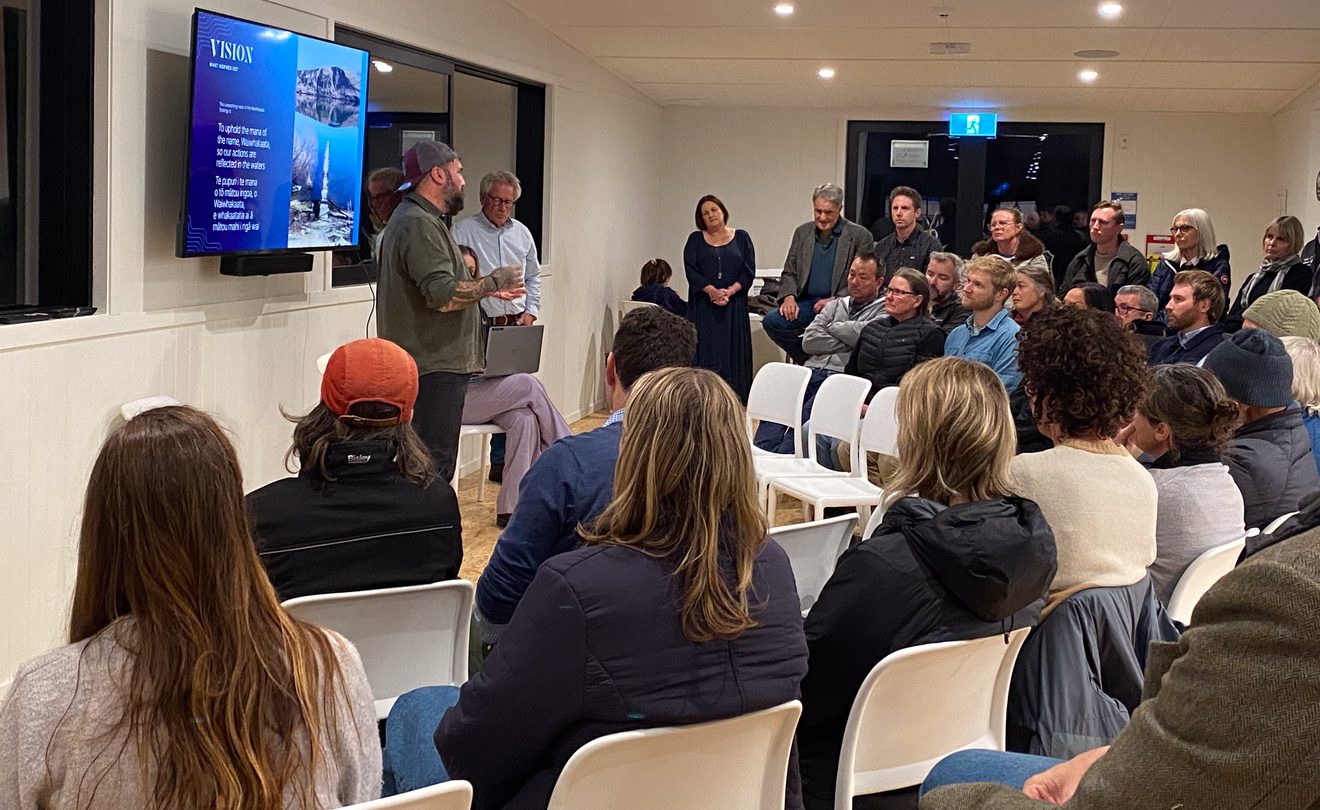
| | Attendees at the Waiwhakaata / Lakes Hayes community workshop in July |
|
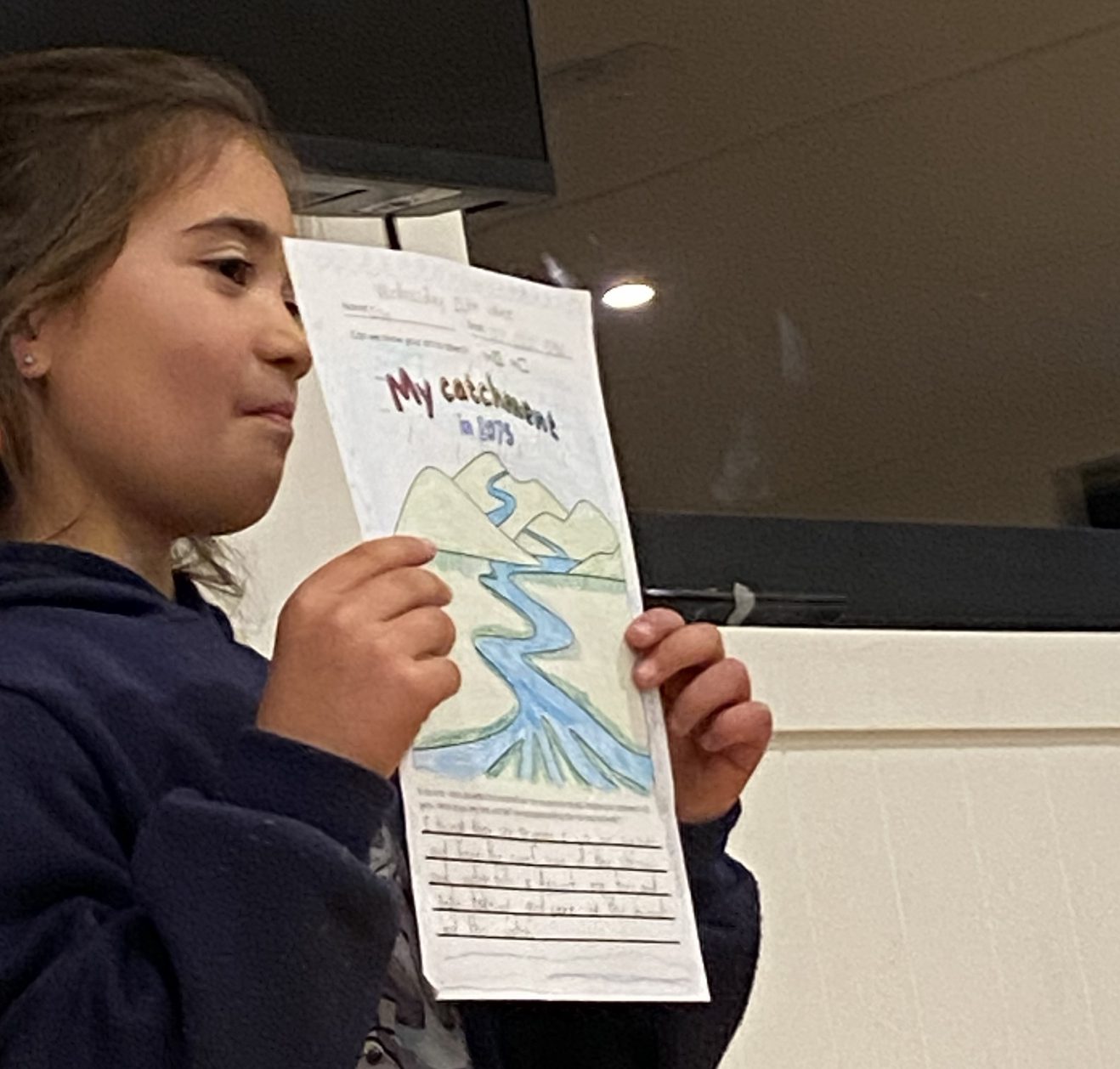
| Eight-year-old Isla was one of 42 people who attended a community workshop organised by Otago Regional Council at Waiwhakaata / Lake Hayes recently, with locals, mana whenua and partner organisations coming together to share ideas for the future of the catchment. To help younger attendees feel welcome, a colouring-in table was set up with sheets titled 'My catchment in 2075', with space to write their vision for Waiwhakaata. At the end of the session, Isla was confident enough to stand up and share her vision with everyone in the room. Her colourful drawing and words were a reminder that restoring Waiwhakaata is about looking beyond today and caring for the generations to come: "I think that in 50 years I will see big hills and hear the sweet sounds of the stream and waterfalls against my toes, and people taking good care of the animals and the water." The workshop highlighted the many projects underway across the catchment, helping people connect, collaborate and understand how their efforts fit together. As one participant commented, "It was good to hear about what's happening in other parts of the catchment." Named by Kāi Tahu tīpuna for its mirror-like waters, Waiwhakaata is a taoka treasured by Kāi Tahu and the wider community. It holds deep cultural significance as an ancestral waterway and is valued for mahika kai, recreation, tourism and as habitat for native species, including kōaro, tuna (longfin eel) and pūtekeke / great crested grebe. The Waiwhakaata Lake Hayes Strategy 2025 emerged from a collective recognition that a coordinated, comprehensive approach to addressing challenges is imperative. It builds on previous initiatives, most notably the 1995 Lake Hayes Management Strategy, while embracing a more holistic, partnership-driven approach. After decades of environmental pressures, this kaupapa is about balance, integrity and care for place. Projects across the catchment are complementary, with groups working together — not competing — to uphold the mana of the name Waiwhakaata so our actions are reflected in the waters. |
|
| | Isla presents her colourful artwork and her vision for Waiwhakaata / Lake Hayes to the group |
|
| | Winter grazing checks show good progress |
|
| | The second round of annual winter flyover checks across Otago was recently completed. The flyovers check how farms are managing intensive winter grazing — where more livestock, such as cattle and sheep, are grazed on crops grown specifically for winter feed. From last year to this year, we’ve seen a great improvement in winter grazing practices across the region. We saw good examples of: Fenced grazing areas away from where water collects, gullies and other land prone to sediment and nutrient runoff. Grazing a safe distance from waterways – leaving a fenced grass buffer between stock and streams, rivers, drains and other waterways. Good winter grazing management – including grazing slopes from top to bottom with a grass buffer at the bottom to reduce runoff, effective use of runoff paddocks to reduce erosion and soil damage during wet weather, and portable troughs to reduce soil damage in paddock ‘hotspots’.
A big thank you to our farmers for protecting our waterways while managing winter grazing. ORC staff will follow up on any areas of concern with site visits, taking an education-first approach to help resolve any environmental risks. |
|
| Who do we love? The group bringing back the birdsong. |
|
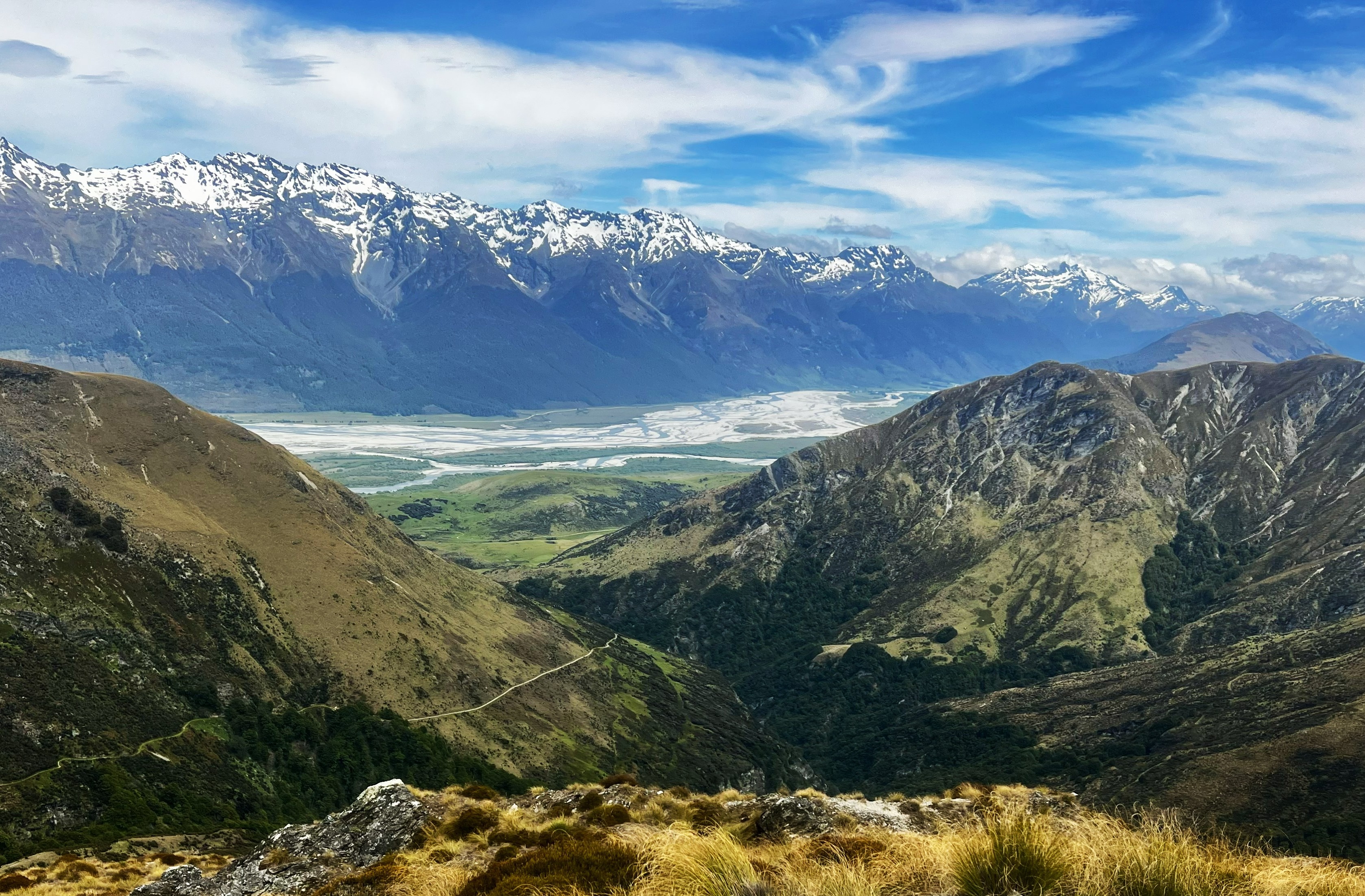
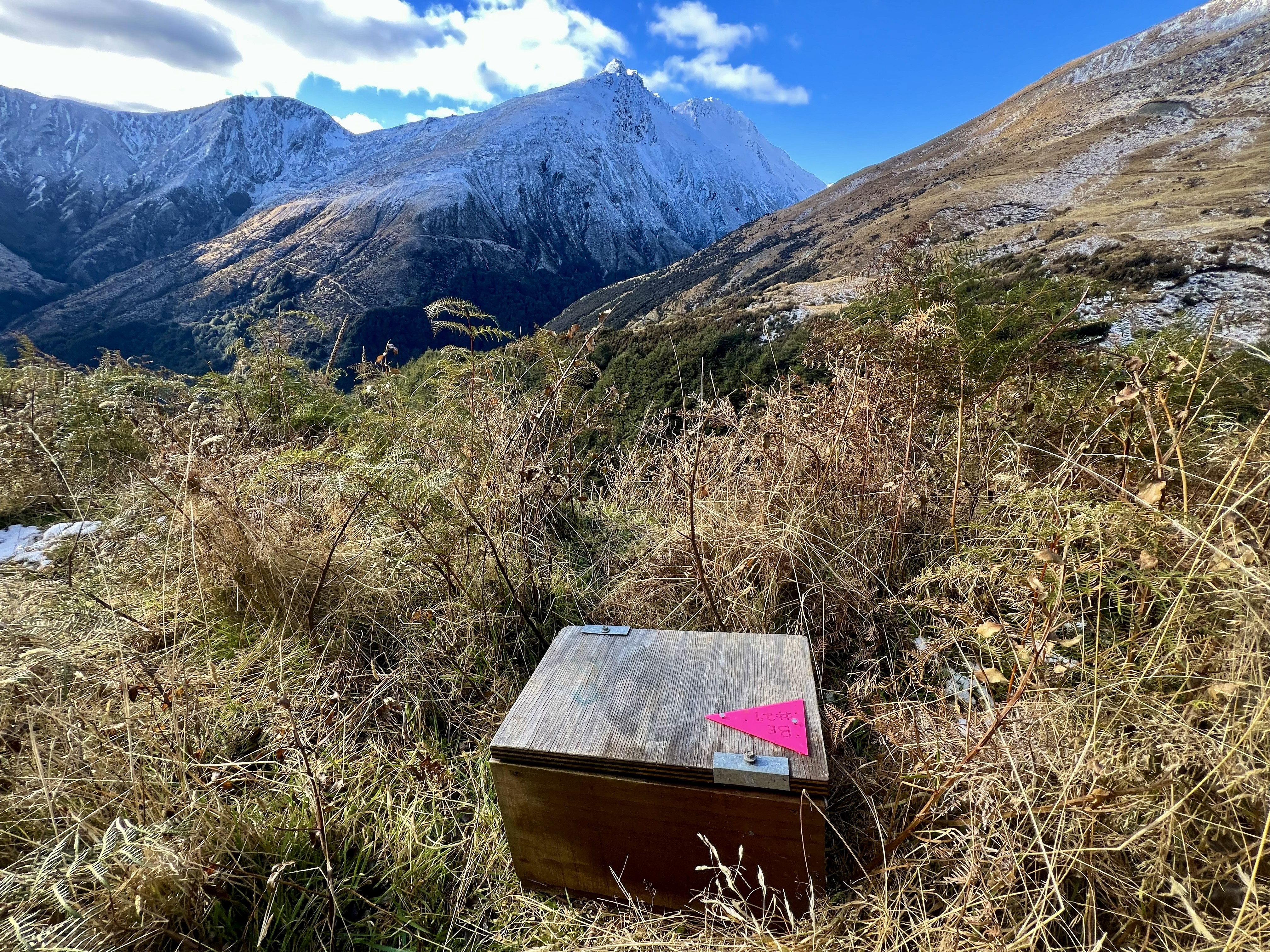
| | Looking out from Upper Buckler Burn — a target area for predator control |
|
| The Routeburn Dart Wildlife Trust is a community-led trust based in Glenorchy with one simple goal: to bring back the birdsong. The trust was established in 2013 in response to a clear problem: introduced predators like stoats, rats and feral cats pushing native wildlife toward local extinction across the headwaters of Lake Whakatipu. The trust recently received ECO Fund support from ORC to fund a volunteer coordinator position and enhance volunteer engagement through a dedicated volunteer programme. Glenorchy is currently free of hedgehogs, but there has been a recent incursion on the southern flank. In response, the trust is initiating a ‘Hedgehog-Free Glenorchy’ programme. The dedicated volunteer programme will support this work. The trust runs predator control and biodiversity monitoring across the headwaters of Lake Whakatipu. This includes trapping along the braided rivers of the Dart and Rees, protecting species like tarapirohe / black-fronted tern, ngutu pare / wrybill and whio / blue duck, plus wider work protecting kea, takahē, kākā, pīwauwau / rock wren, kārearea / New Zealand falcon and pekapeka/bats. Other achievements include running active feral cat control, finding over 100 cats this season. The dedicated coordinator role would allow the trust to build proper systems, including training workshops, health and safety, community outreach and a clear pathway to grow their volunteer base, so more hands could help bring back the birdsong. Beyond trapping, the trust’s focus is on building an inclusive, community-wide programme welcoming people with other skills, like birding or photography, or who are just keen to give back to Glenorchy. Get in touch at info@rdwt.org, whether trapping is your thing, you've got another skill to offer or you just want to be part of the community. You can also watch ORC’s online story ‘Protecting the Routeburn, one weed at a time’. |
|
| | A trap in the upper Buckler Burn |
|
| Be alert for bird flu when out enjoying nature |
|
| | While there have been only a few cases of bird flu (also known as H5N1) in New Zealand, when you’re out enjoying Otago’s beautiful nature, please be on alert. Bird flu is a highly contagious viral disease that affects birds and can also infect some mammals. Keep your distance. Stay away from sick or dead wildlife. Keep pets away too. Keep clean. Wash your hands and clean your gear after being outdoors. Know when to report. If you see three or more sick or dead wild birds in a group, report it immediately to the exotic pest and disease hotline on 0800 80 99 66 or online at report.mpi.govt.nz
The Ministry for Primary Industries is leading New Zealand’s preparedness and will support Otago’s communities with information and guidance if the virus is detected. |
|
| | | Why is spiny broom a pest? Spiny broom is an invasive perennial shrub that can form dense areas, excluding and outcompeting native vegetation. It can quickly take over farmland, reducing grazing and harming native ecosystems. Its seeds can survive in the soil for many years, so once it establishes, it can be hard to control. It also fixes nitrogen in the soil, which helps it grow in poor soils. There are only three known sites for spiny broom in Otago — these are Chain Hills and Brighton, both in Dunedin, and Waihola, making early control critical to prevent the spread. |
|
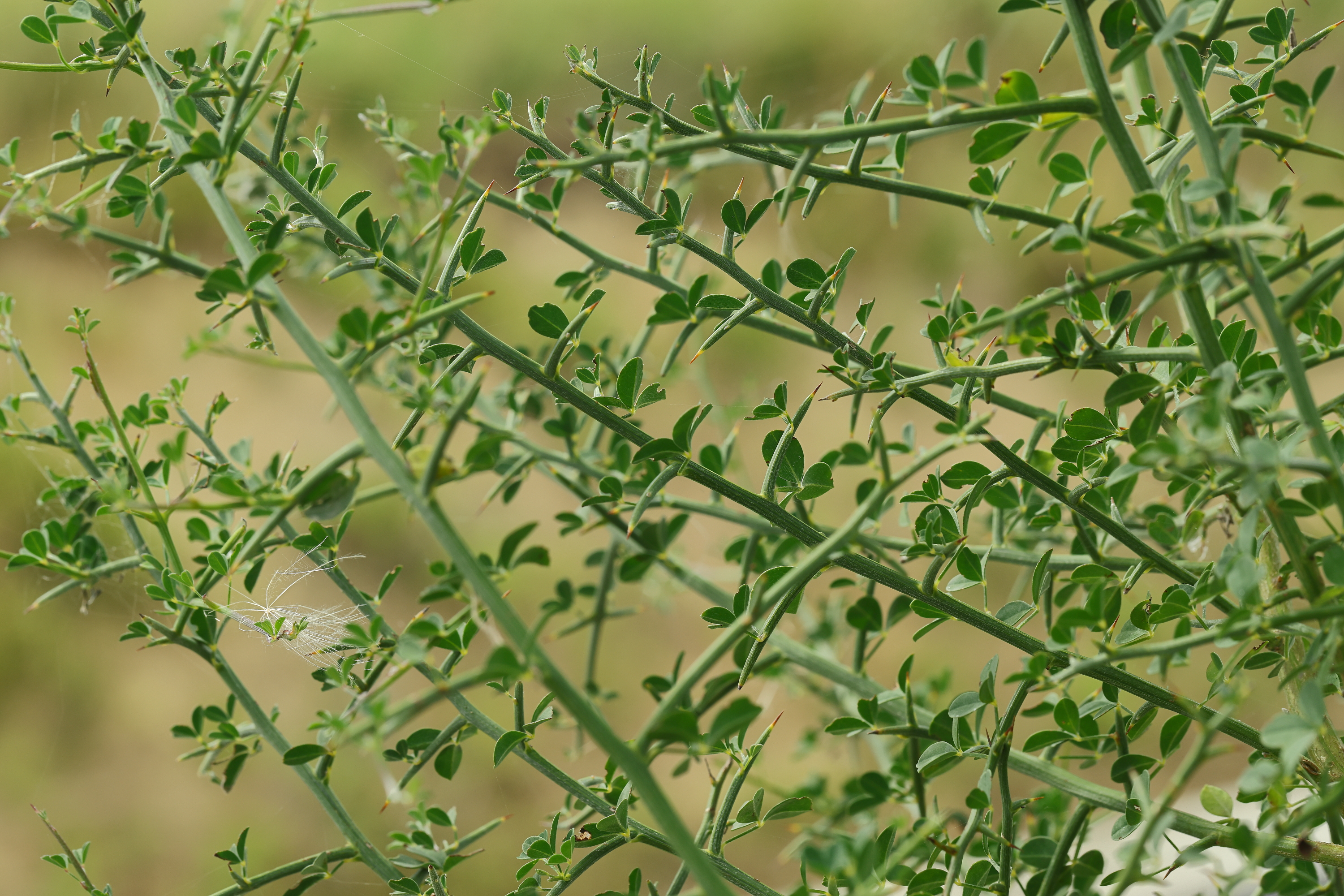
| | | What does it look like? Size: Up to three metres in height. Leaves: Dark or grey-green, about 12 millimetres long, with three leaflets that are hairy underneath and may occur in clusters. These plants also have ridged stems with sharp spines. Flowers/seeds: Bright yellow flowers and flattened, hairless seedpods. Root system: The plant has a tap root underground (a thick central root that grows straight down). Similar species: Spiny broom can be differentiated from broom by its sharp spines. Habitat: Includes rocky soils, grasslands, pastures, roadsides, forests, shrublands and cleared areas.
What should I do? Do not attempt to undertake control of spiny broom yourself. Report any sightings to Otago Regional Council: Learn more about how to spot spiny broom on our Pest Hub. |
|
| Learning beyond the classroom |
|
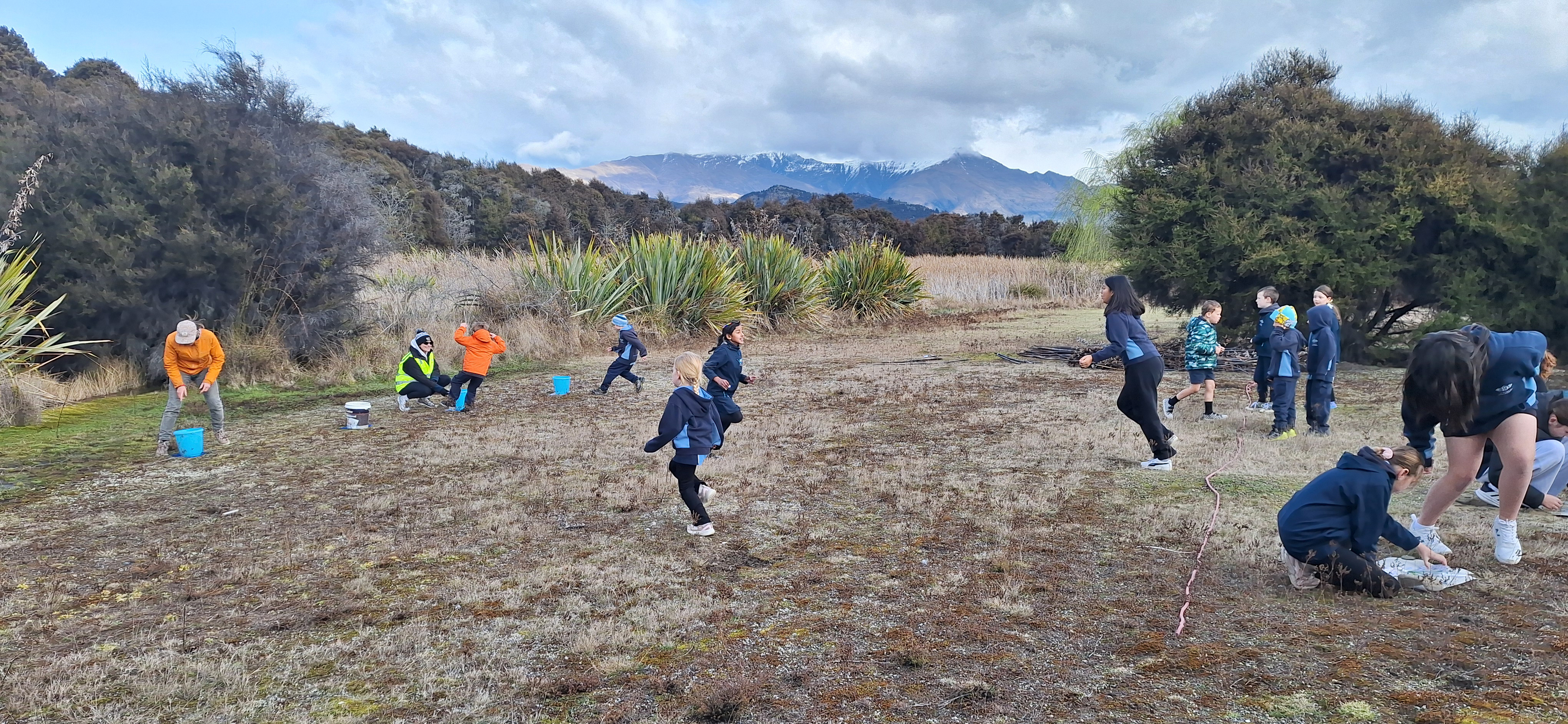
| | Te Kura o Take Kārara ākoka explore Butterfield Wetland |
|
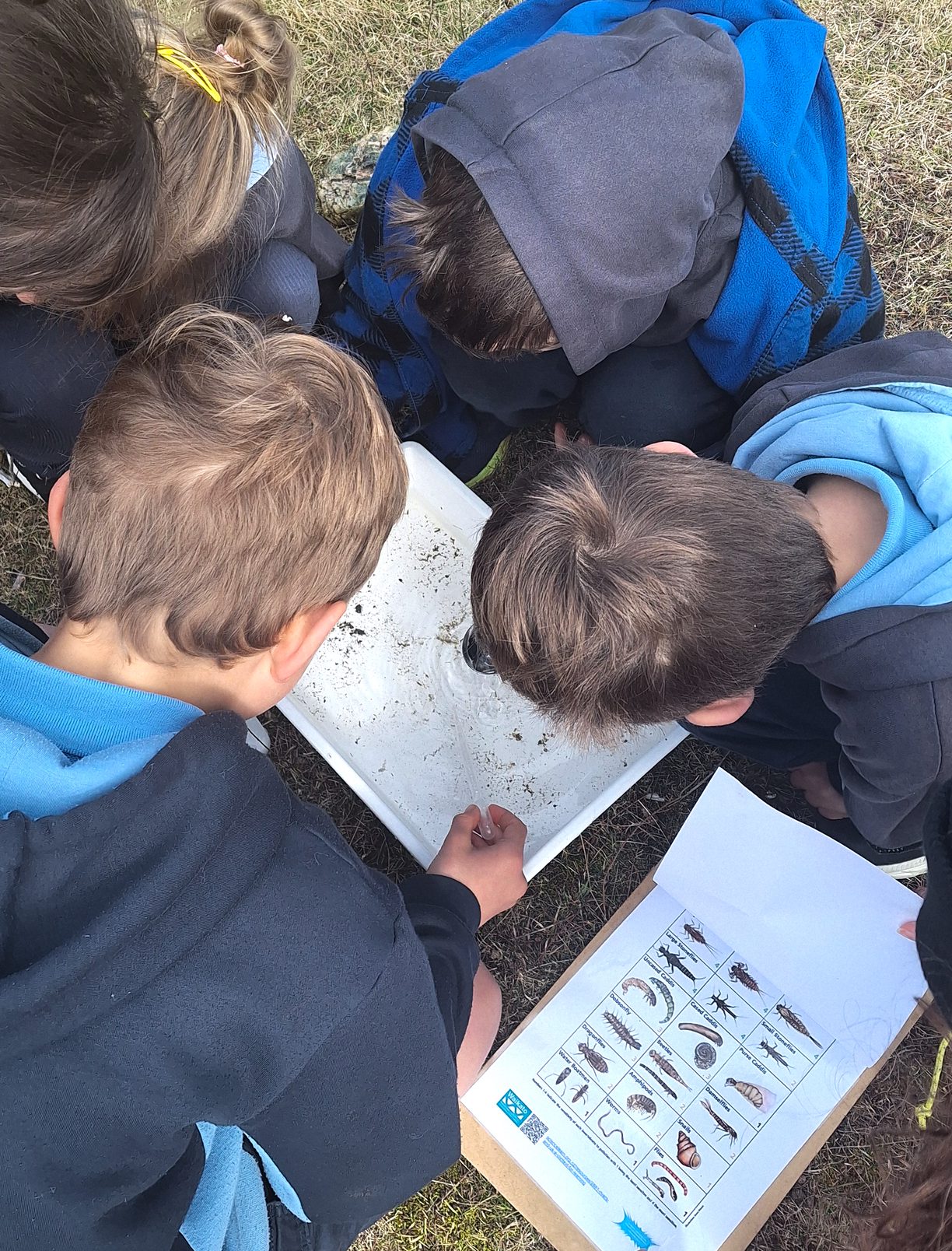
| Ākoka from Te Kura o Take Kārara had the opportunity to take a closer look at nature recently with a range of activities with Ōtākou Enviroschools at Butterfield Wetland, near Albert Town. The ākoka took part in a range of activities alongside Department of Conservation, Te Kākano, Wai Wānaka and Otago Regional Council, as well as our Wānaka Enviroschools facilitator, Damian, gaining practical knowledge and discovering more about the whenua, wai and taiao around our community. Many of the ākoka had never been to Butterfield Wetland before and found it a beautiful space to learn in and grow knowledge of their local environment. A huge thank you to all the amazing organisations and people who shared their time, knowledge and passion with the tamariki. These experiences are such a valuable part of learning — helping our ākoka build connections with the environment and understand how we can all play a part in caring for our taiao. |
|
| | Ākoka discover what lives in the water at the wetland |
|
| | | | Find out about upcoming community events and Council meetings here. |
|
| Feel free to forward this email to anyone who might like to read it. If you have any story ideas or want to know anything specific about anything in this issue, let us know by emailing onstream@orc.govt.nz
If you have been forwarded this email, you can sign up here. |
|
| | | |
|
|
|
|