|
Kia ora and welcome to our July issue! In this issue: reasons to come to a council drop-in, and love to be beside the seaside? We want to hear from you. |
|
|
26 new water level recording stations being installed |
|
|
|
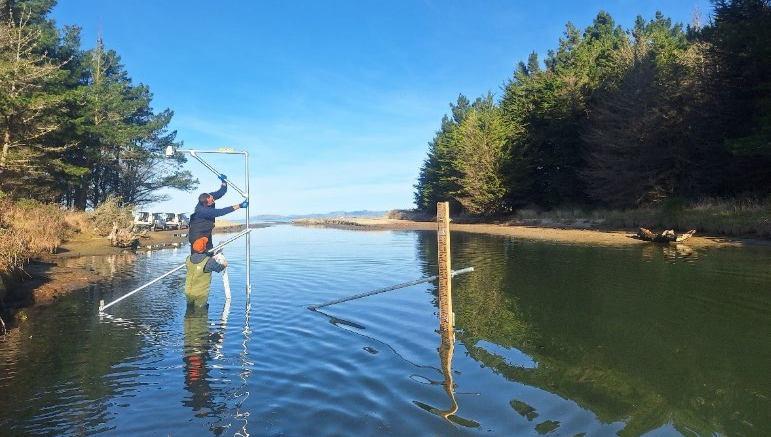
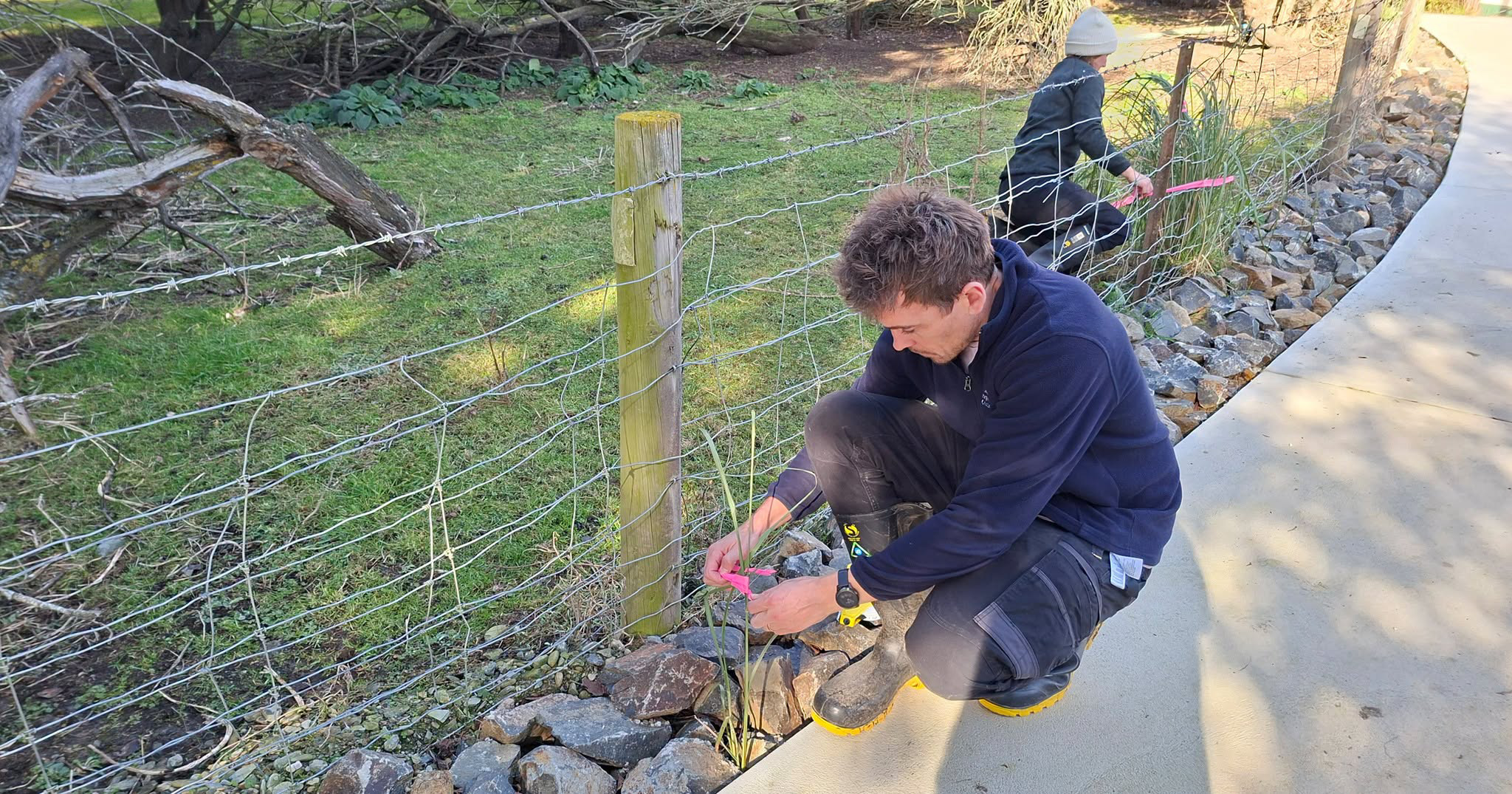
Sensor installation: ORC environmental technicians Rory Mearns and Garry DeRose, from ORC’s Coastal Otago Water Quantity team, in the process of installing a radar mast and a reference staff gauge at the Hawksbury Lagoon mouth near Waikouaiti, north of Dunedin.
PHOTO: CAM MORAN/ORC |
|
|
ORC’s Environmental Monitoring staff are this month installing 26 water level recording stations across streams, estuaries and floodbank areas around Otago thanks to a share of $9.38 million from the Government’s Regional Infrastructure Fund to upgrade early warning flood systems across the country. The data from the stations will enable better flood forecasting and actions which reduce the impacts of adverse weather before, during, and after flood events. The sensors are permanent and can transmit the data automatically via their inbuilt cellular modems. They measure the distance between the radar and the water surface using high-frequency electromagnetic (radar) waves and were manufactured locally by Dunedin tech company Hilo. The data will be publicly accessible through ORC’s environmental data web portal. Read a full list of the estuaries and streams receiving sensors here. |
|
|
Rain and snow affect Otago region |
|
|
|
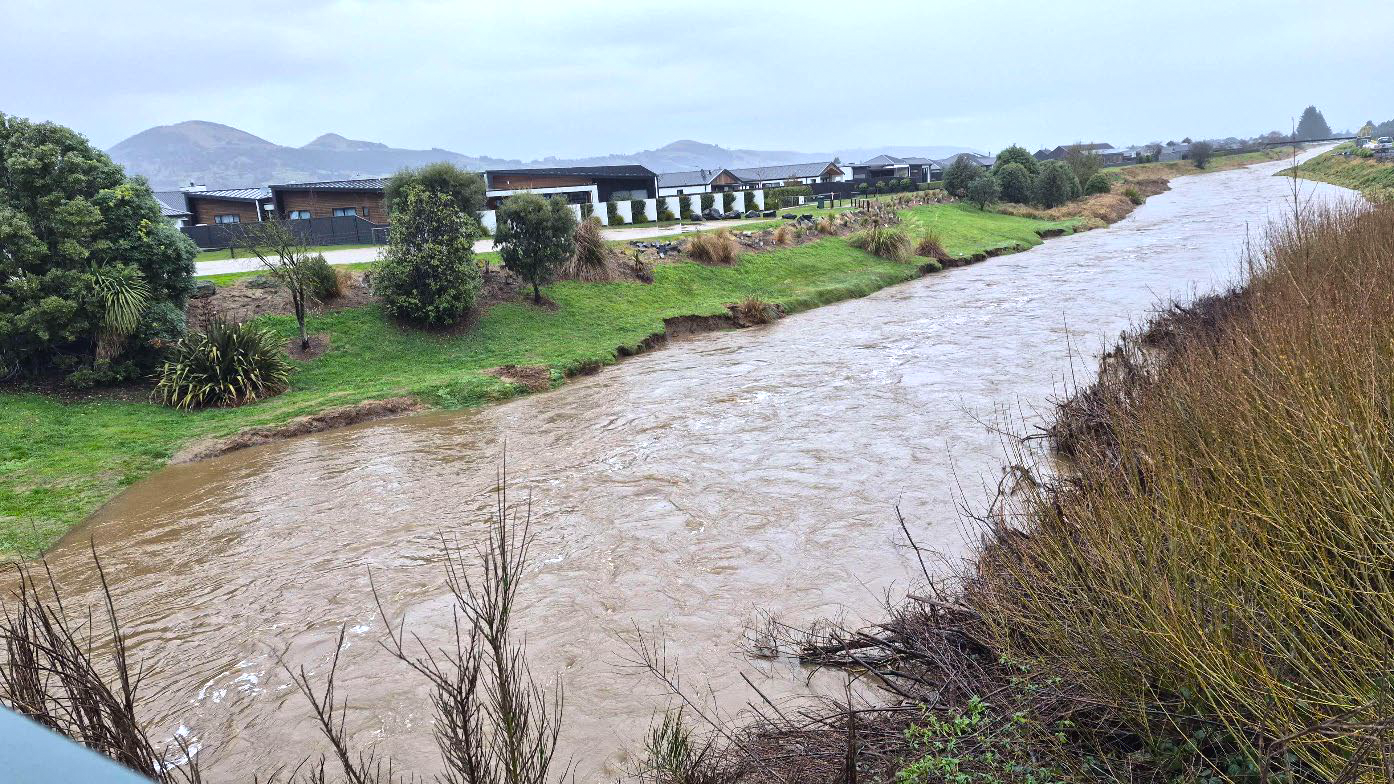
The Silver Stream (Mosgiel) around eight hours after reaching its peak flow during the recent heavy rain event |
|
|
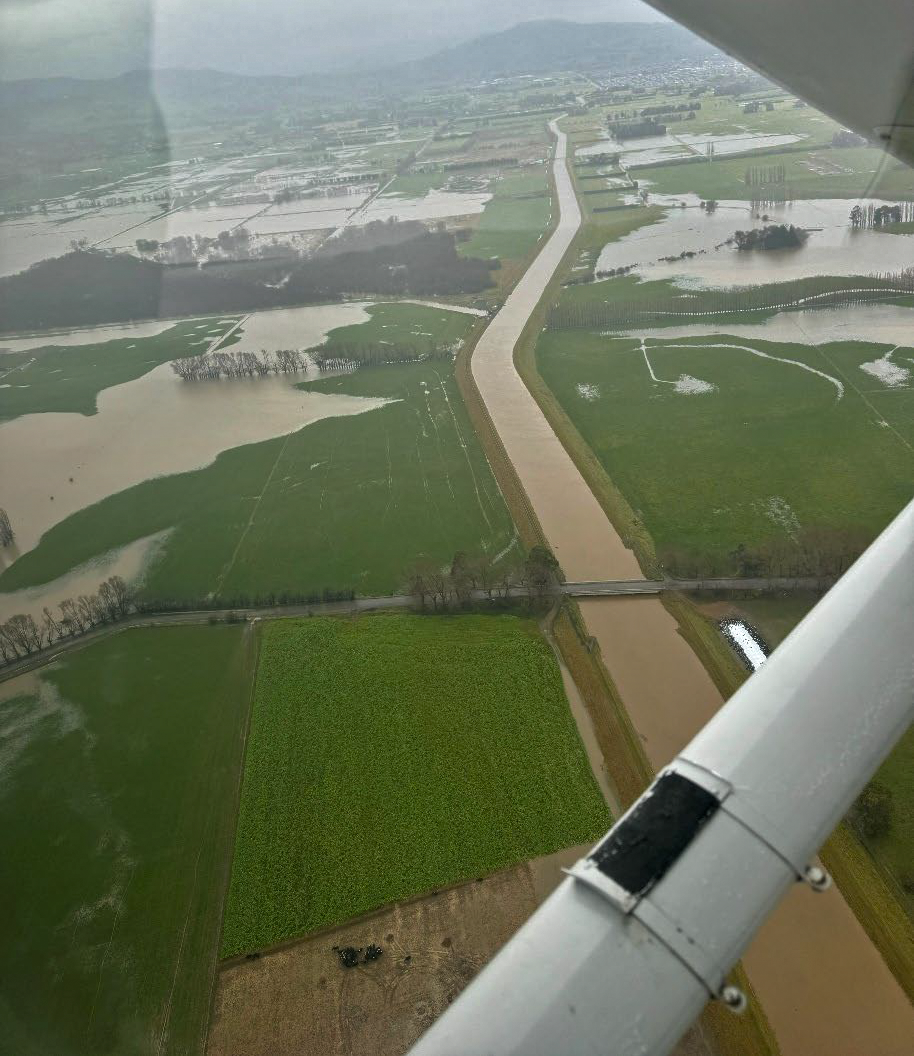
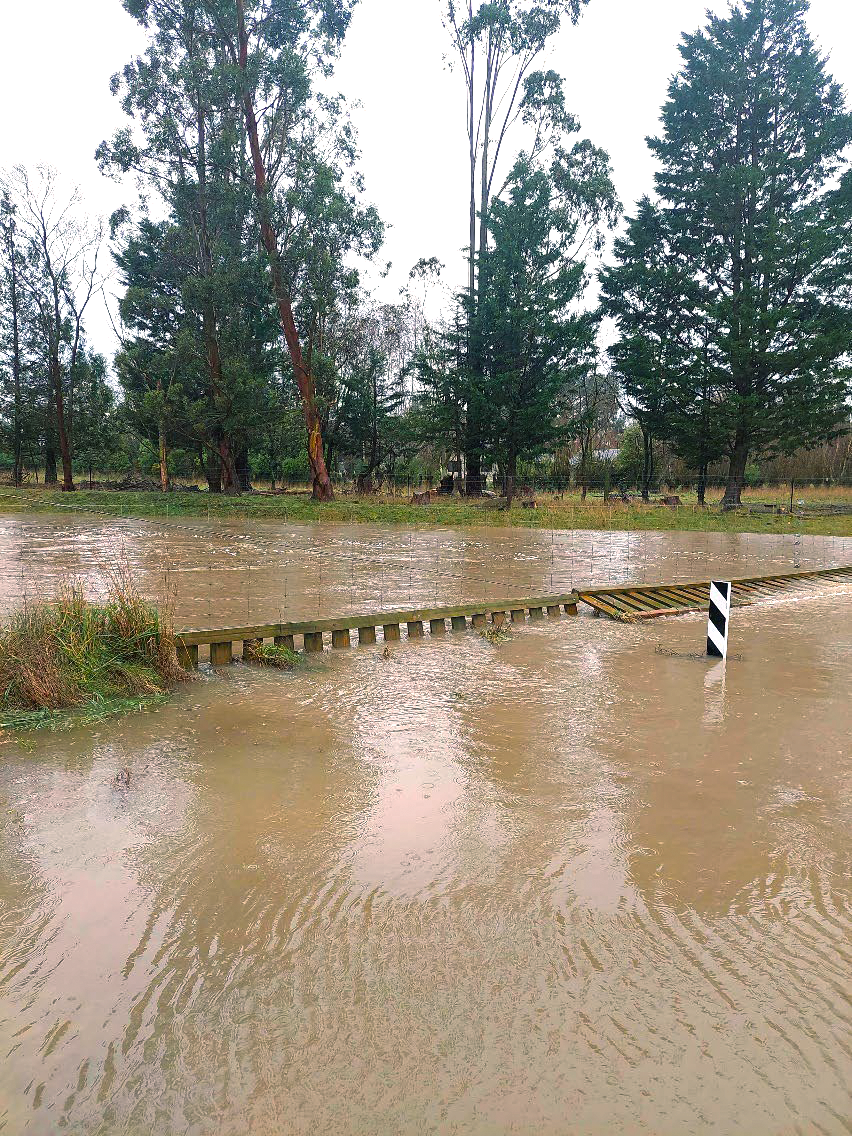
A significant winter storm hit Otago earlier this month, causing disruption across the region, with flooding, road closures and rural impacts. As well as flood monitoring of waterways, Otago Regional Council staff moved into Civil Defence roles to support response efforts in Dunedin, Clutha and Waitaki, which bore the brunt of the weather. Waitaki declared a local state of emergency after a localised downpour caused flooding in Ōamaru. The town received 37 millimetres of rain in two hours. In Dunedin, up to 160 millimetres of rain fell in parts of the city, causing surface flooding and dozens of road closures. In Clutha, heavy rain caused surface flooding and closed some roads, while heavy snowfall and ice throughout Central Otago and inland areas closed a number of state highways. Preparedness makes a difference when it comes to these wild weather events! Learn what you can do to help your household prepare, no matter where in the region you live. |
|
|
|
Taieri Plains: the situation from above
PHOTO: MAINLAND AIR |
|
|
|
Hildethorpe Road, North Otago |
|
|
|
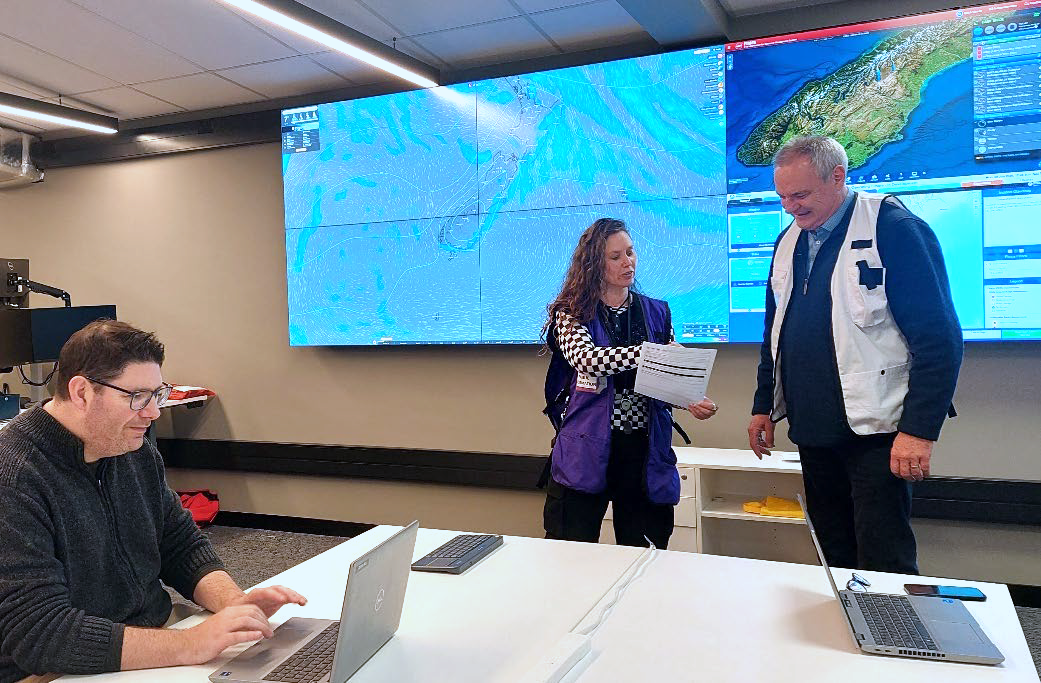
Emergency Management Otago is based in the Otago Regional Council building, Aonui, in Dunedin. The facility provides enhanced technology and improved capability to support emergency management across the region. |
|
|
Rumble in Te Anau Did you feel the recent earthquake? A 5.9 earthquake, centred 40 kilometres north of Te Anau at a depth of 52 kilometres, was widely felt across the South Island, with people describing it as super loud and ‘like a truck’. A good reminder that Drop, Cover and Hold is the correct action to take in an earthquake and that maybe it’s time to think about your household’s grab bag and emergency readiness. Some great tips on how you can be better prepared if you need to leave in a hurry can be found on Emergency Management Otago’s website. |
|
|
What’s fair for bus fares? |
|
|
|
We’re looking at moving to a zone-based fare system in Otago and want to hear your thoughts on: zones fare caps removing cash fares.
A zone-based fare system would mean higher fares for people travelling longer distances — fairer for people who travel different distances. Fare capping would allow us to reward regular public transport users. Your feedback will help councillors to decide the best options. Submissions close on 29 July. |
|
|
|
Ōamaru–Dunedin public transport service approved |
|
|
|
From 1 October this year, a new bus service will start taking people from Ōamaru to Dunedin and back again. A critical connection between rural areas and Dunedin city, the service will include a morning trip from Ōamaru to Dunedin and an evening return seven days a week, also stopping in Maheno and Hampden. The service will also contribute to reducing transport-related emissions through less reliance on private vehicles — so it’s a win for our environment, too. This service replaces the very successful community transport trial that’s been running since late 2025. |
|
|
Council’s planning will support a regional response should bird flu arrive in region |
|
|
|
New Zealanders are being asked to be alert after two birds returned confirmed positive tests for H5N1 Avian Influenza (H5 bird flu): a brown skua found on Petone Beach, Wellington, on 15 July, and a native kāhu (swamp harrier hawk) found in the Wairarapa, confirmed on 17 July. The situation is being closely monitored by the Ministry of Primary Industries (MPI) and the Department of Conservation; at this stage, there is no evidence of any illness beyond these two birds. MPI is the lead agency for bird flu — ORC’s role is to support their efforts and share messaging with district councils in Otago and support their efforts. Should bird flu be detected in Otago, council has prepared a plan that will activate if a case is detected. As an island country, we can’t prevent wild birds bringing this virus here, but we can work together to limit its impact. People should be alert and follow advice about reporting sick or dead birds. It is vital that people do not touch or handle unwell birds. One of the most noticeable signs of bird flu is the swift death of multiple birds in a group. What can people do? New Zealanders are being asked to be alert, and to use good habits to limit the impact of bird flu. Keep your distance. Stay away from sick or dead wildlife. Keep pets away too. Keep clean. Wash your hands and clean your gear after being outdoors. Know when to report. If you see three or more sick or dead wildlife, report them to the exotic pest and disease hotline on 0800 809 966 or online at report.mpi.govt.nz.
If you report online, select the ‘dead or dying wild birds’ option from the dropdown list and then the type of bird you have found. Don’t handle or move the birds. Go to www.mpi.govt.nz/bird-flu to find out more. Provide as much detail as you can, including: common name or species of sick or dead bird if known how many are sick or freshly dead, and the total number of birds present a GPS reading or other precise location information photographs and videos of sick and dead birds
More information about H5 bird flu and the work New Zealand is doing to prepare is available at mpi.govt.nz/hpai. |
|
|
ECO Fund gives big boost to environmental projects |
|
|
|
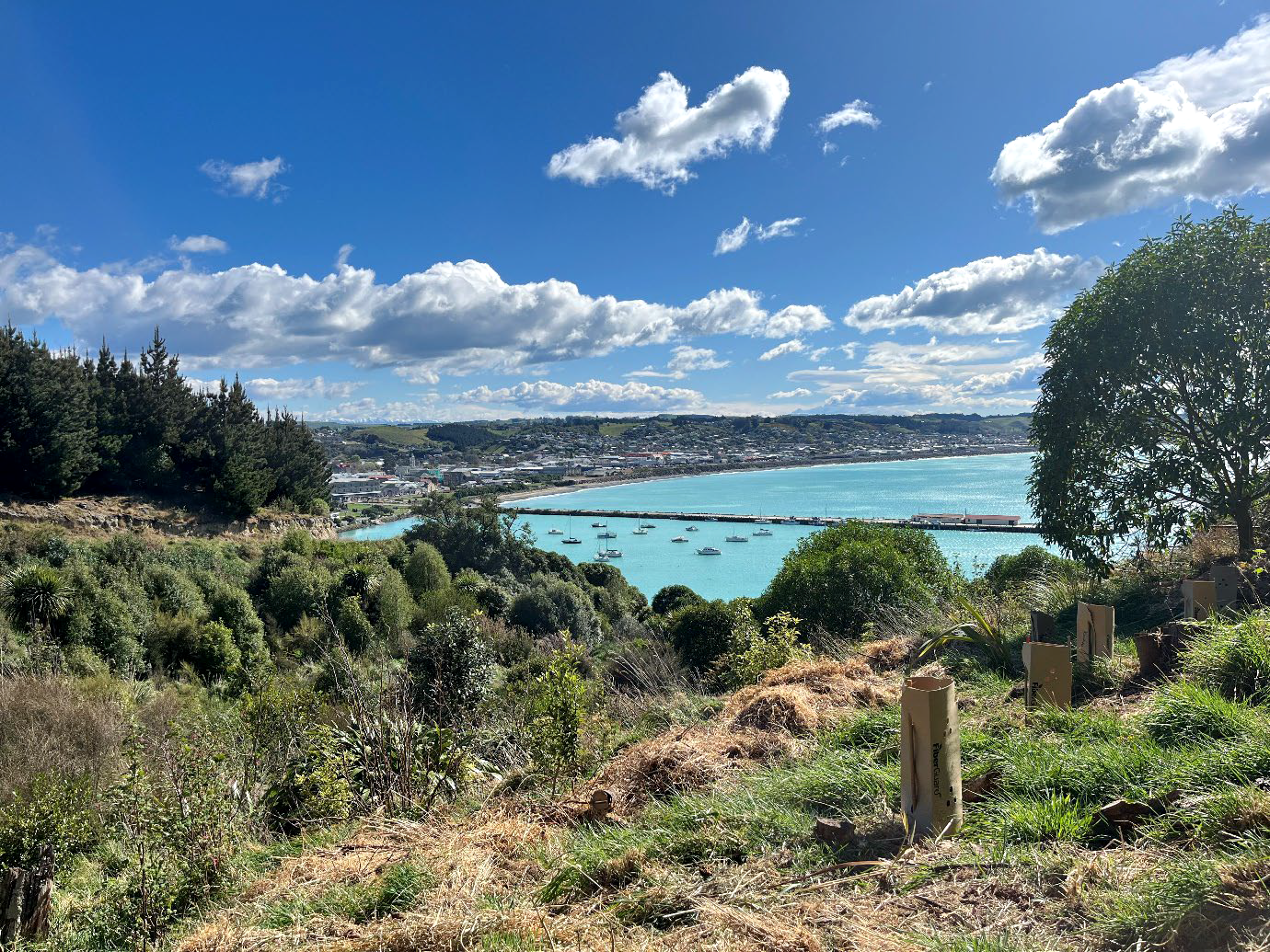
Cape Wanbrow reforestation, Ōamaru — one of last year’s ECO Fund recipients |
|
|
Twenty-eight community-led environmental projects across Otago will receive a share of $919,800 through the Otago Regional Council’s 2026 ECO Fund. Projects include biodiversity enhancement, predator and rabbit management, wetland revitalisation, erosion management, weed removal, native planting, and environmental education. The funding recognises the significant work already being done by communities across Otago. This year’s funding round attracted 53 applications seeking more than $2.2 million, highlighting the strong demand for the programme. |
|
|
|
Even MORE reason to come to a council drop in |
|
|
|
Biosecurity staff in Ngapara carrying out a delimiting survey (a systematic search to determine the full extent of the infestation), which showed there weren’t any additional pest plants aside from those first identified |
|
|
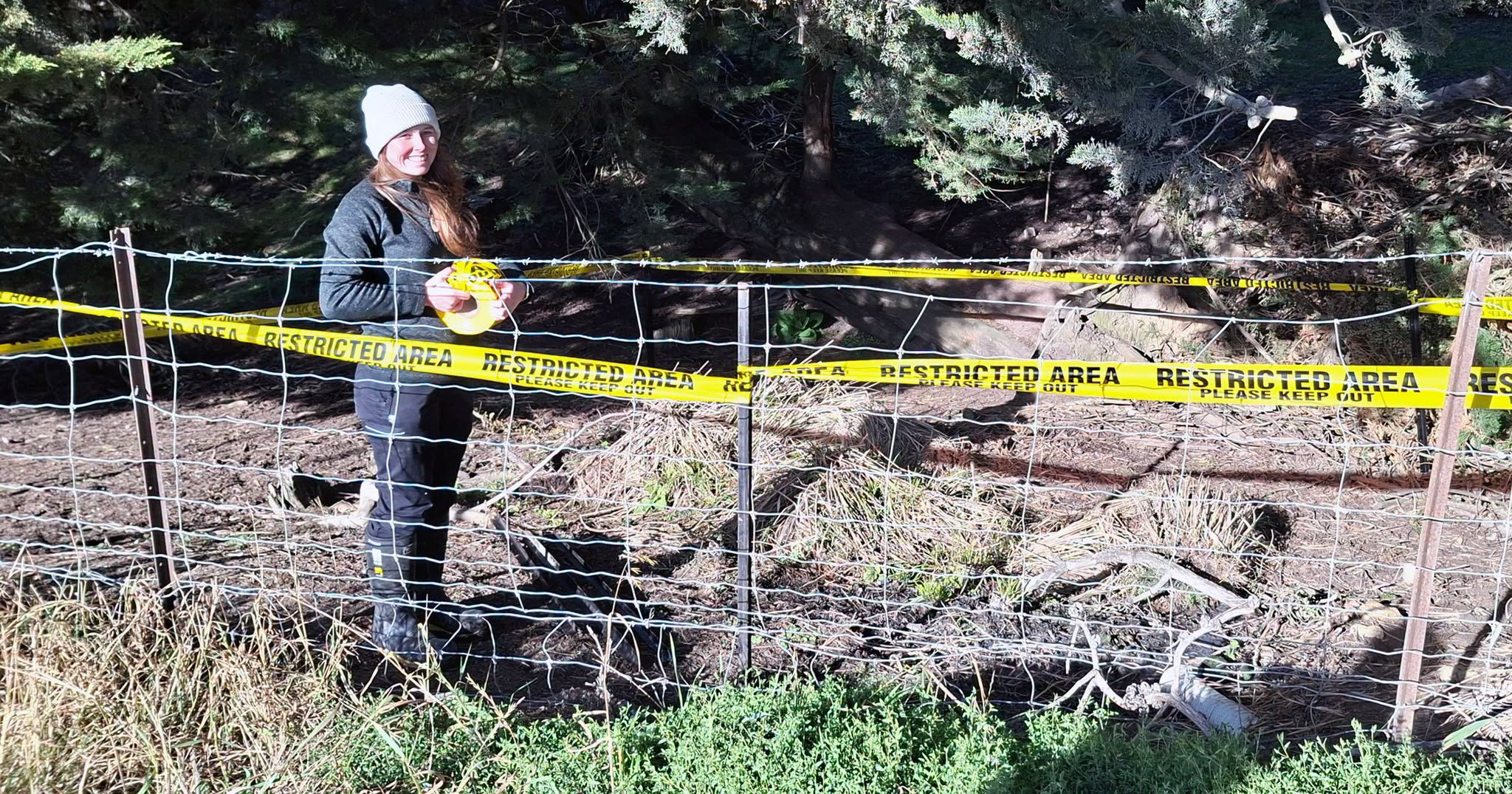
After an incursion was discovered in the Waianakarua area earlier this year, the pest plant African feather grass has been spotted again in the Ngapara area. “We want to thank the landowners for their amazing response,” says Environmental Delivery portfolio lead Councillor Andrew Noone. “And also thank our biosecurity, engagement and communications teams … it turns out the landowners saw a fact sheet with African feather grass on it at the Ōamaru session of our Regional Pest Management Plan review drop-ins and identified it there.” |
|
|
|
Phew! Next, we trace pathways to check the plants spread. |
|
|
We sometimes hear that people are reluctant to report pest plants to us because they worry about paying for the control work. Actually, if a pest is on our exclusion or eradication programme, ORC will not charge for the removal. So, if you think you’ve spotted a pest plant on your property, report it! Report pest sightings: orc.govt.nz/reportpests |
|
|
Surf, gather kai, or just love long walks on the beach? We want to hear from you! |
|
|
|
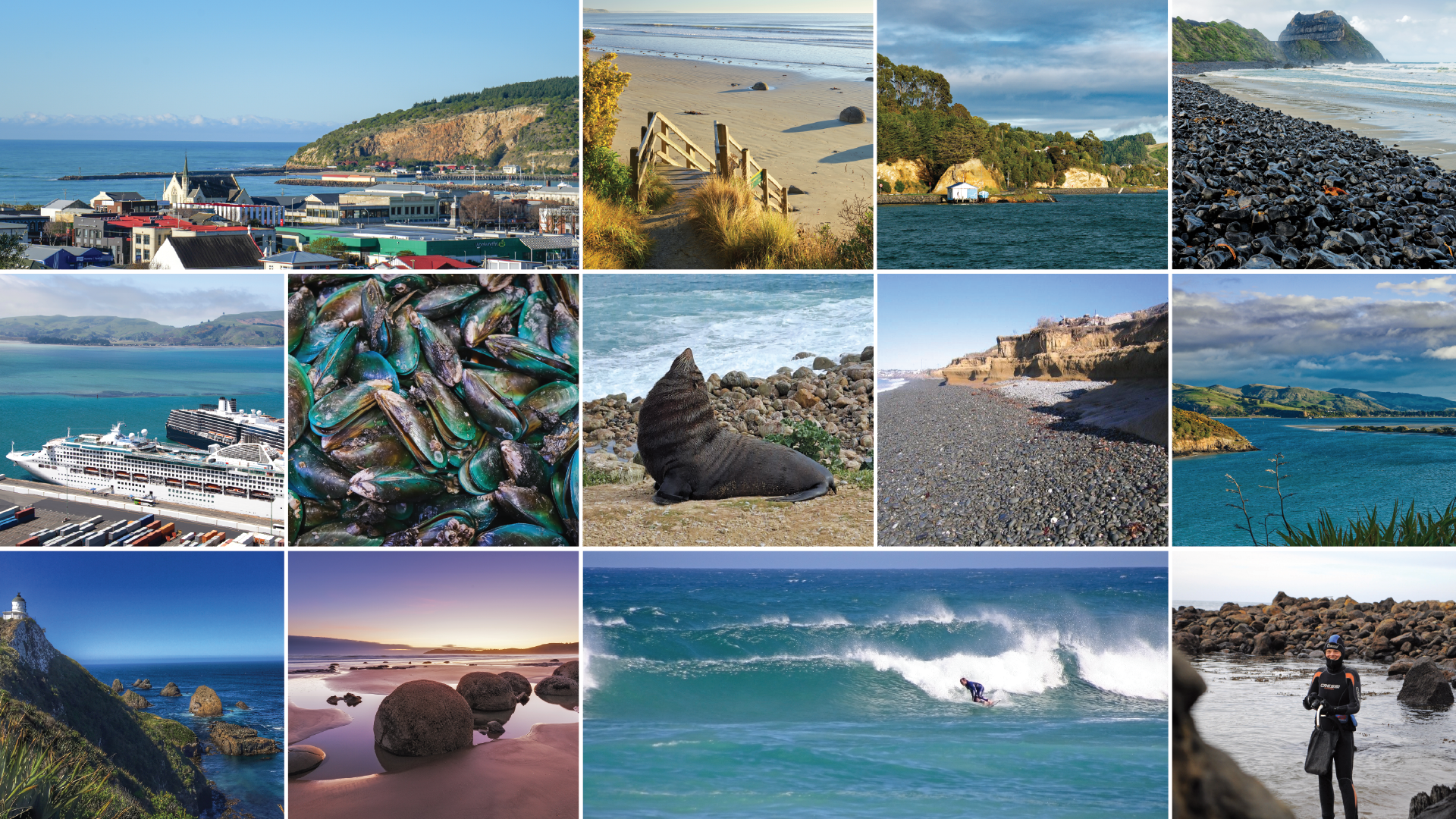
ORC is gathering feedback and lived experience that will help everyone better understand issues and opportunities for Otago’s coastal environment. If you live in coastal Otago or just love to be beside the seaside, we want your perspective on issues facing our coastline — things like erosion, changes to habitat, competing activities, public access — and we also want to know what Otago residents think potential opportunities are. Is there a future for aquaculture? Our wildlife is a huge attraction, should we be making more of tourism opportunities and looking to improve access? By sharing your views, you’ll help shape plans that protect and enhance the coast and let people enjoy what it offers. Drop-in sessions There will be a series of drop-ins held in coastal community venues. Please consider coming along and giving staff your thoughts. You can come by at any time during the session. Dunedin: ORC Aonui foyer, 180 High St | Thursday, 23 July, 3–6pm Dunedin: South Coast Boardriders Association, 1 Esplanade, St Clair | Saturday, 25 July, 10am–1pm Karitāne: Puketeraki Marae, 520 Apes Rd | Tuesday, 28 July, 3–6pm Ōamaru: Forrester Gallery, 9 Thames St | Wednesday, 5 August, 4–7pm Online: Monday, 3 August, 7–8.30pm ORC has prepared a discussion document and an online survey, open now until 10 August. |
|
|
|
|
|
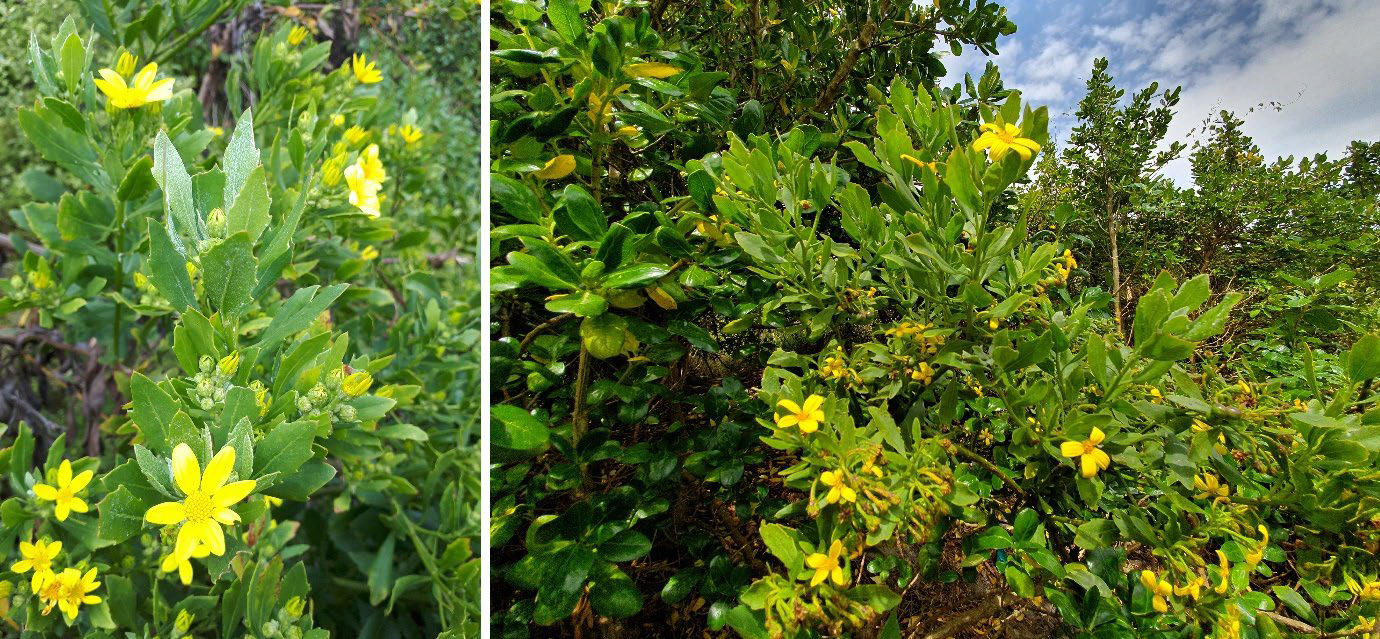
Creepily named but actually quite pretty, boneseed quickly forms dense thickets and outcompetes native plants. A mature bush can produce 50,000 seeds every year, and each seed can remain dormant for up to 10 years while still being viable. |
|
|
|
What does it look like? Size: When mature, it is a 2–3-metre-tall bushy, semi-woody shrub or small tree. Leaves: 70 x 35 millimetres. Smooth, leathery and bright-green with irregular toothed edges, they are arranged alternately on the stems. Flowers/fruit: Bright-yellow daisy-like flowers followed by hard, oval green fruit that ripens to black, each containing a hard seed. Root system: Shallow root system with no taproot. Similar species: Native Olearia species, Brachyglottis kirkii. Habitat: All coastal areas, cliffs, sand dunes, estuary margins, roadsides and inshore islands.
What should I do? Physical control (for juvenile plants): Chemical control (for mature plants): Cut the stump near the ground and paste it with a suitable herbicide gel containing metsulfuron, triclopyr or glyphosate and leave the plant to rot. Spray foliage using glyphosate and a penetrant.
CAUTION: When using any herbicide or pesticide, PLEASE READ THE LABEL THOROUGHLY to ensure that all instructions and safety requirements are followed. Also, please let us know its whereabouts by reporting it: Learn more about how to spot boneseed on our Pest Hub. |
|
|
|
|
Pest poo is a key sign they are in an area, so poo or scat identification is one of the special skills our biosecurity teams need to have. To double check, we send samples off for testing, but in the first instance we get reeeally up close and personal with the poo in question. For wallabies, for example, we need to rule out deer, pig, possum, rabbit, or cat poo. We look at what the animal has been eating, the shape and consistency … it’s a bit like being a wine expert, just without the glamour, or the bouquet. |
|
|
New biodiversity strategy adopted with support from across Otago |
|
|
|
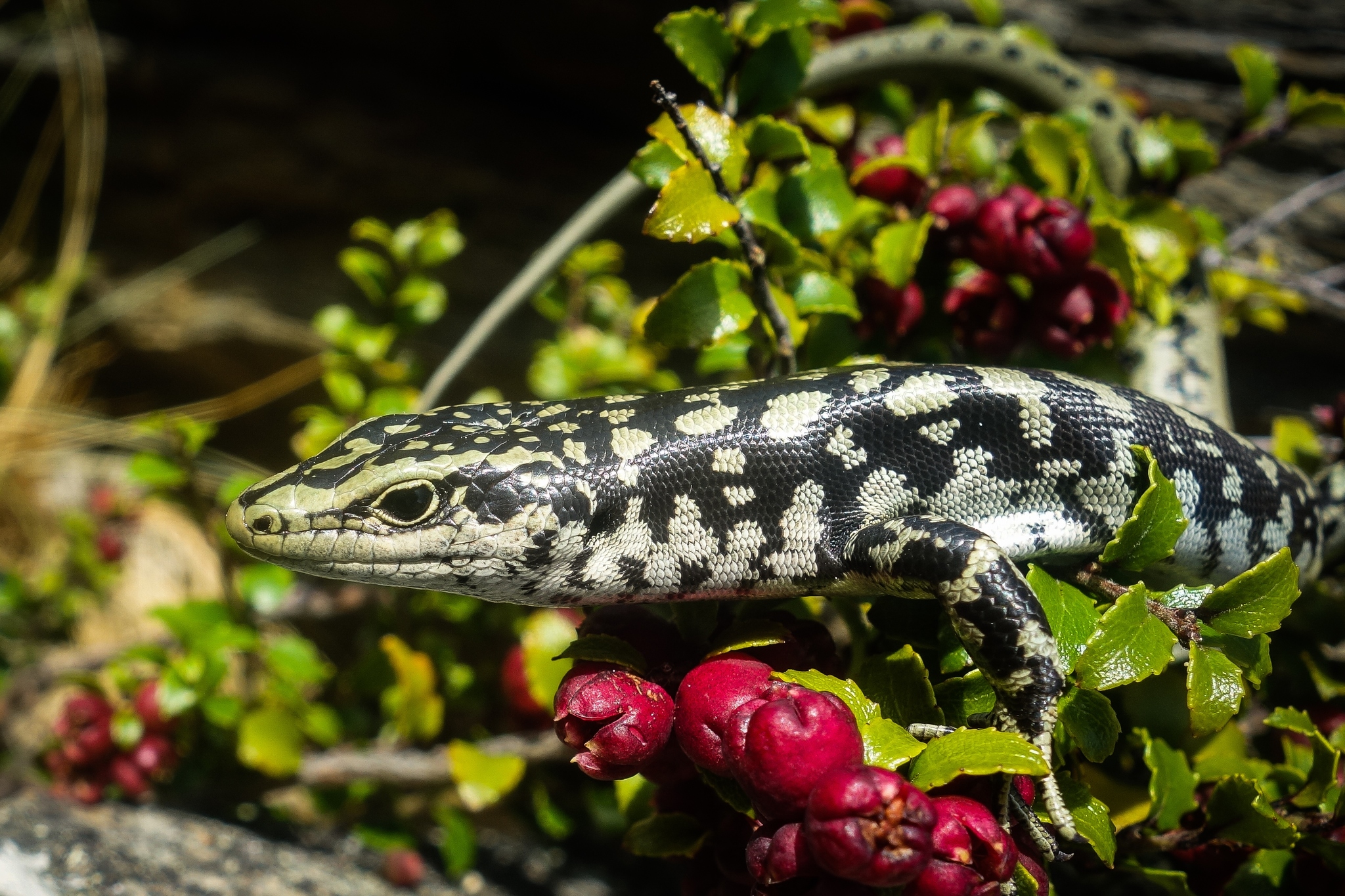
Otago skink: regionally endemic (only found in Otago) and regionally endangered
PHOTO: CAREY KNOX, iNATURALISTNZ |
|
|
Our new indigenous biodiversity strategy has been adopted with broad support from the public and a wide range of sectors. Impressive work is already being done across the region, led by mana whenua, community groups, businesses and landowners. ORC is already supporting and funding some of this work, and this strategy aims to build on that — to make the most of existing effort and funding and give Otago a platform to attract new funding, like philanthropy, grants and biodiversity finance. Otago’s biodiversity is under pressure from introduced predators, weeds and browsers, habitat loss, pollution and climate change. 97% of our lizards, 61% of our native resident birds and 42% of our native plants are regionally threatened or at risk of extinction. |
|
|
|
Reflections at St Leonards |
|
|
|
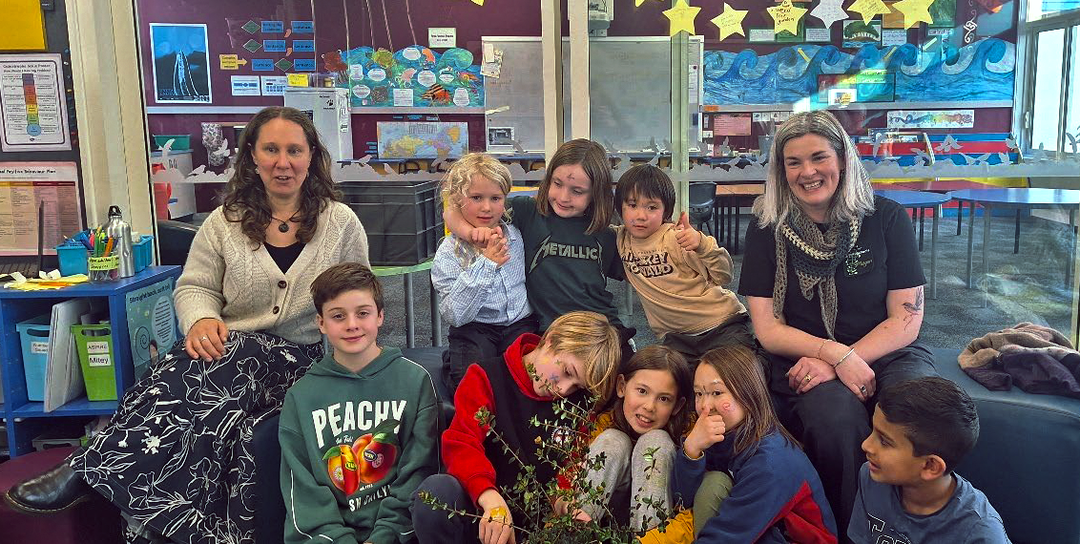
St Leonards students with Megan (right), Dunedin Enviroschools Facilitator, and the school principal on the left, Mrs Thompson |
|
|
St Leonards School ended Term 2 with a Holistic Reflection — a pause to consider the past, present and future of the school’s Enviroschools journey. The school community considers how they got to where they are, what changes have been / are being made, and how this informs next steps. St Leonards celebrated their Enviroschools journey with their school whānau, who were invited to contribute ideas for what's next and what they are doing well. Each ākoka presented their favourite place in the school and proudly showed off all the mahi they have been doing in their sustainability journey. Congratulations to all the St Leonards ākoka for their amazing commitment to the Enviroschools kaupapa and all the actions they undertake daily to improve the health and wellbeing of their kura. |
|
|
|
|
|
Find out about upcoming community events and Council meetings here. |
|
|
Feel free to forward this email to anyone who might like to read it. If you have any story ideas or want to know anything specific about anything in this issue, let us know by emailing onstream@orc.govt.nz
If you have been forwarded this email, you can sign up here. |
|
|
|
|