-
-
-
-
-
-
-
-
-
-
Nodding thistle
-
-
-
-
-
-
-
-
-

Nodding thistle
| Common name: | Nodding thistle |
| Scientific name: | Carduus nutans |
| Management programme: | Sustained control |
Stock don’t usually graze on nodding thistle because of its spiny leaves. Single rosettes can take up an area over one square metre so large infestations can seriously reduce how much stock you can carry on affected land. A single mature plant can survive through drought and can produce up to 10,000 seeds, which can reproduce for up to 20 years.
Nodding thistle is similar to the Scotch thistle, although it’s more erect and spinier. Its flowering stems grow up to 1.5 metres high and have large crimson flower heads that droop or 'nod' when mature.


There is only one rule for nodding thistle and it only applies if you are on rural-zoned land. All occupiers of rural-zoned land must eliminate nodding thistle on their land within 100m of their boundary, where the neighbouring property of that boundary is also controlling nodding thistle within 100m of the boundary.
This is a good neighbour rule and ensures there are no unreasonable costs to land occupiers who are managing nodding thistle when their neighbours might not be. Non-compliance action on this rule will only happen if a complaint is made to ORC by the affected neighbour.
Spray
- You can spray rosette plants in the winter or spring before the stem has formed. Most nodding thistle will produce seeds in autumn so spraying in winter will kill most new seeds.
- Cover the entire plant in spray, cut any seed heads and dispose of them by burning or deep burial.
Granules
- At any time of the year you can apply granules to the crushed centre of each plant. Make sure you also cut any seed heads and dispose of them by burning or deep burial.
Grubbing
- Grubbing works best with rosettes and early flowering plants, remove at least 5cm of the root to stop re-growth.
Biocontrol agents:
Nodding thistle receptacle weevil
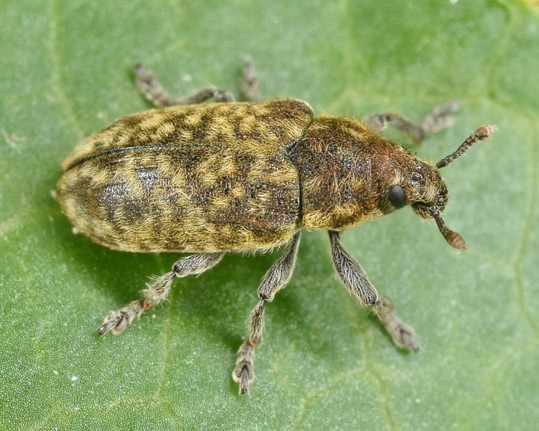
Photo: Christina-Butler CC BY 2.0 via Wikimedia Commons.
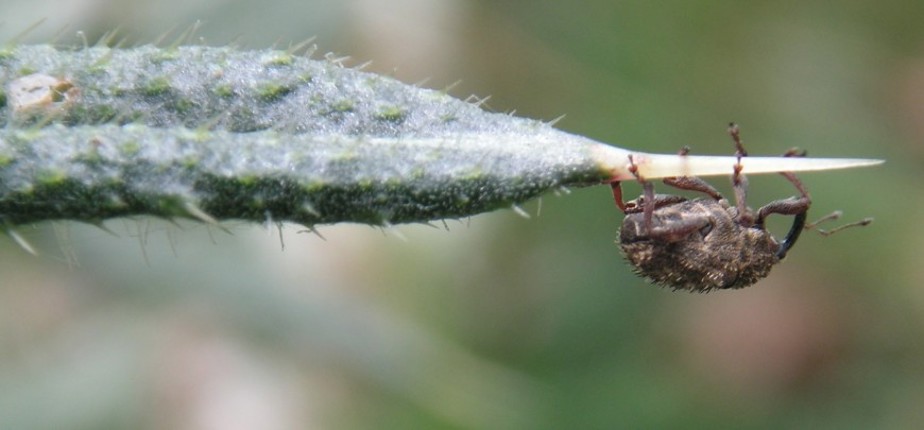
Nodding thistle crown weevil
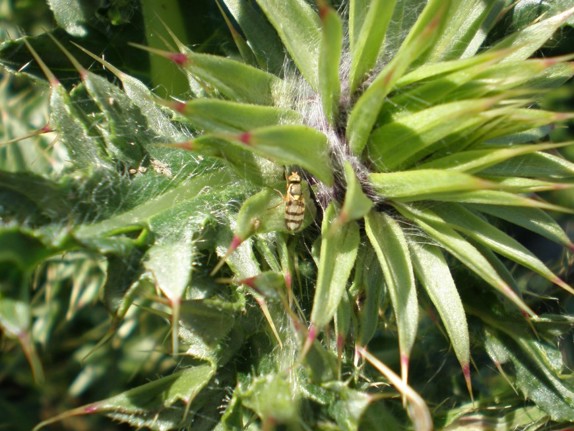
Nodding thistle gall fly
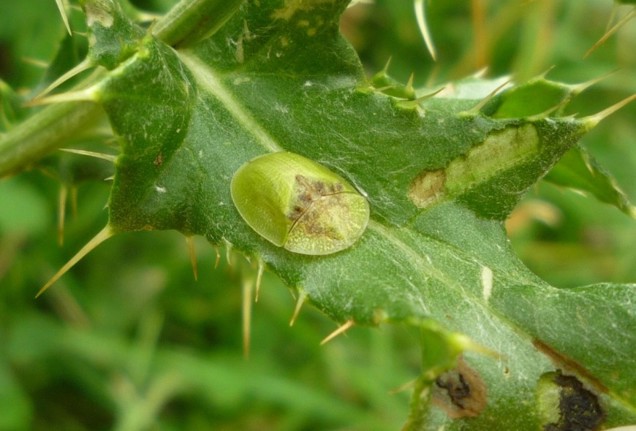
Green thistle beetle

www.orc.govt.nz/noddingthistle


