-
-
-
-
-
Debris flood hazard management programme
-
-
-
-
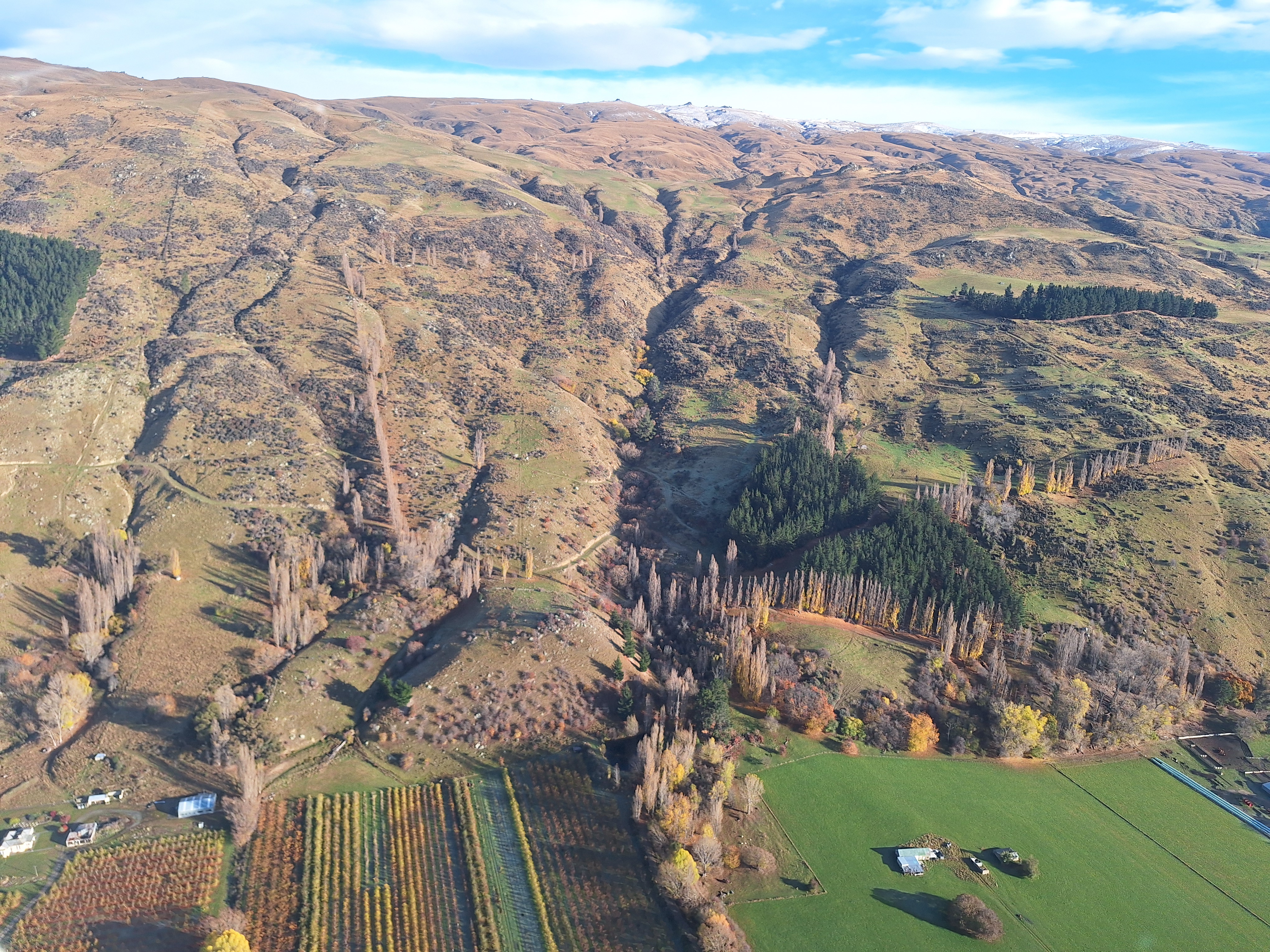
The debris flood impact in Roxburgh is not just theoretical - it has happened before, and it is expected to happen again.
- Past events: Since 1938, debris flows or debris floods have damaged homes, roads, orchards and essential services in Roxburgh.
- Community concerns: After the hazard event in 2017, many residents remain concerned about the potential impacts on safety, property and infrastructure.
That’s why we have created this programme to work together to understand, prepare for and manage the impacts of debris floods hazard in the area.
The Roxburgh debris flood hazard management programme involves two technical projects to help manage and understand the debris flows and debris floods:
- The interim creek monitoring and maintenance plan. The purpose of this plan is to keep the creeks clear and working properly so they can effectively carry floodwaters during a debris flow or flood event.
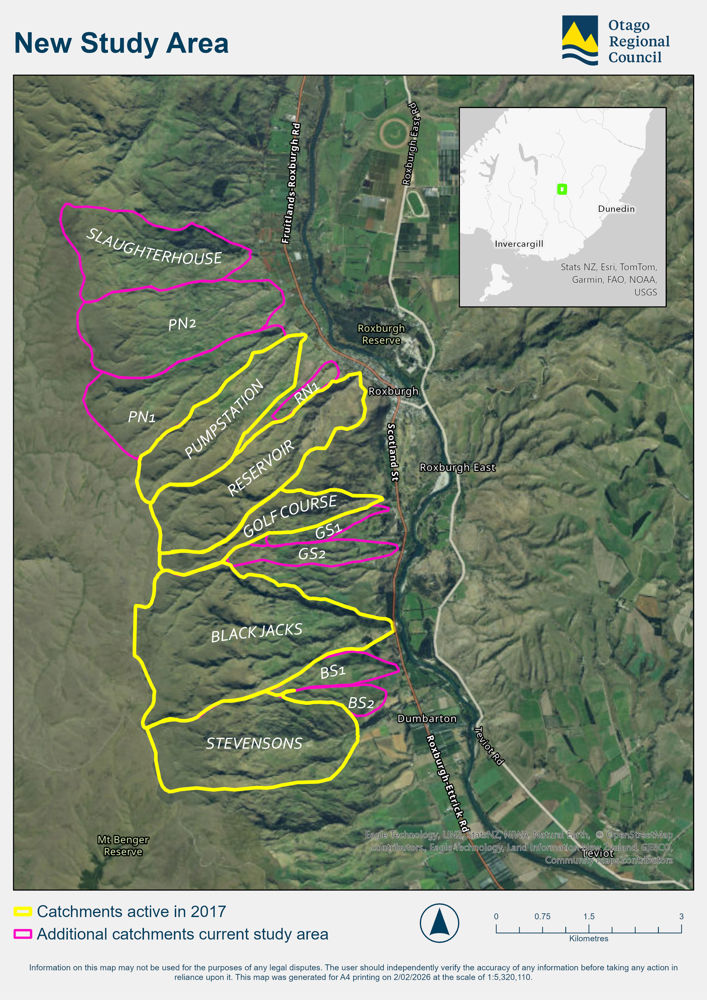
- The Roxburgh debris flood detailed hazard and risk study. The primary objective of this project is to assess 13 catchments in the Teviot Valley looking at debris flood hazard and risks. The new mapping of the study identifies areas of the 13 catchments more likely to be affected by debris floods and the possible effects on people, places and key infrastructure.
The interim creek monitoring and maintenance plan is progressing.
- LiDAR acquired in late 2024 has allowed for geomorphic analysis of the lower reaches of the Roxburgh creeks. These results were used by ORC Natural Hazards and Engineering teams to define areas for interim maintenance.
- ORC Engineering conducted maintenance at the downstream end of the Reservoir Creek chute in December 2025. ORC and NZTA are currently working on collaborative maintenance for Stevensons Creek, around the SH8 bridge and downstream.
The detailed debris flood hazard and risk study has been completed.
- The study report and summary are available on the Investigations and reports page.
- We also held community sessions in Roxburgh on 18 February 2026 to share the new study results with the Teviot Valley community.
- The study findings were also shared with ORC and CODC councillors, the Teviot Valley Community Board, and mana whenua representatives, including Aukaha and Te Ao Mārama, in February 2026.
ORC is working closely with Central Otago District Council (CODC) and other stakeholders including Civil Defence Emergency Management Otago (CDEM), New Zealand Transport Agency Waka Kotahi (NZTA) and the Roxburgh community to deliver this programme.
ORC is also working with mana whenua representatives such as Aukaha and Te Ao Marama to make sure that mana whenua are updated all programme progress and technical findings so that they can make informed decisions.
- No decisions have been made yet regarding follow-up work (after the community sessions). Your feedback, concerns and suggestions will be an important part of the process.
- ORC will continue to work closely with CODC, CDEM, and NZTA on ongoing natural hazards management and how best to use the new findings.
- Further work may include developing short-term action plans and utilising longer-term decision-making and funding processes (e.g. Council’s long-term plans).
- CDEM will update the Teviot Valley Emergency Response Plans to reflect the findings and to raise awareness of facilities identified to support the community’s welfare needs.
- Keep your eye out for updates in the Teviot Bulletin and orc.govt.nz/roxburghhazards
Access other pages of this site or contact ORC Natural Hazards team on 0800 474 082 or email us at customerservices@orc.govt.nz for more information.
You can get more information on alluvial fan hazards in Otago on our dedicated alluvial fan page.