Setting the path, together
Environmental health goals show us what we are aiming for and highlight what we need to achieve to get there. Our group assessed the current state of key attributes — such as native wildlife and water quality — and identified the direction of change needed to realise our vision for the future. Thinking about the pressures identified, we developed “pressure reduction objectives” that show what we need to get on top of in order to achieve these goals.
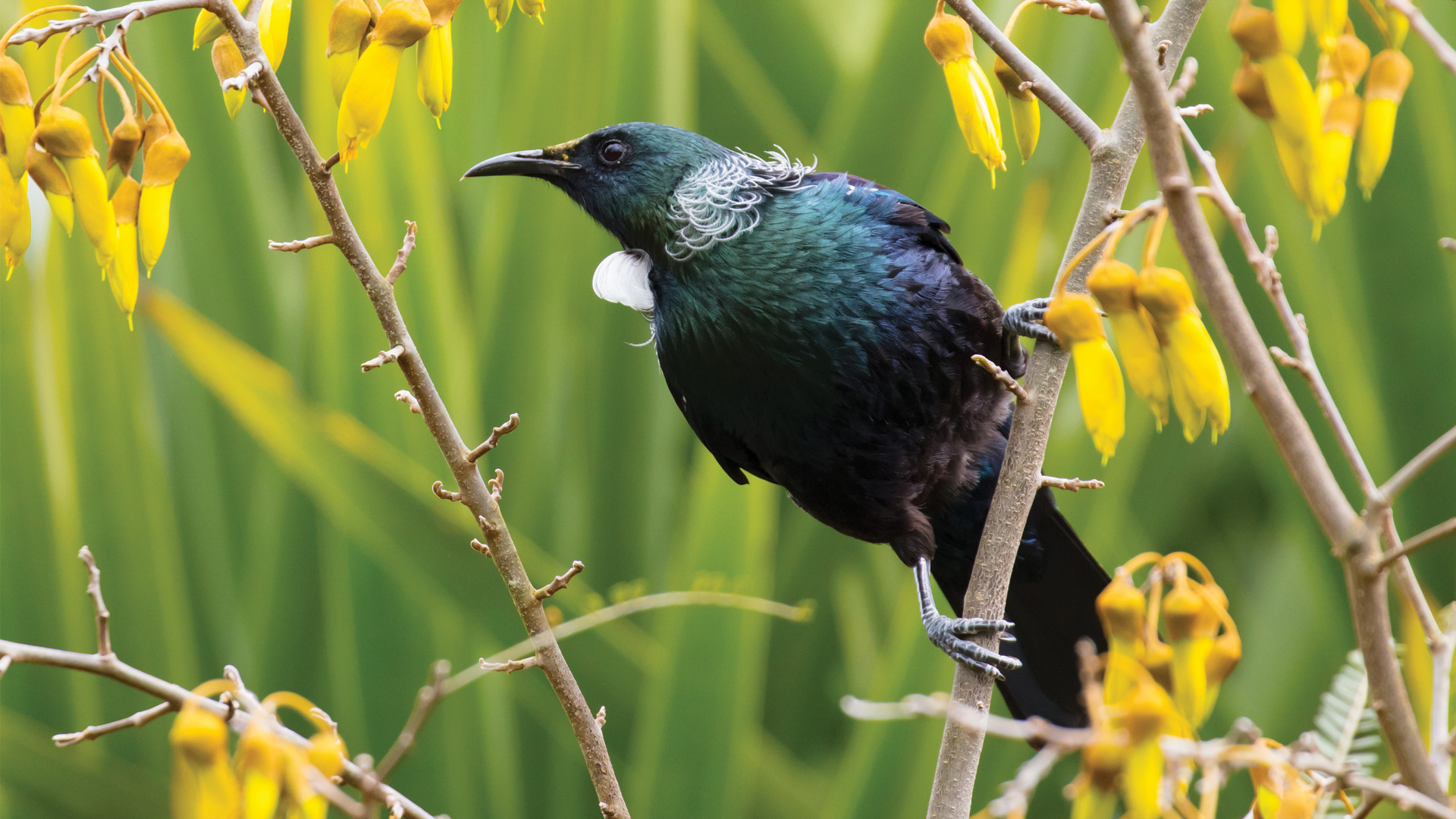 Increase the abundance of native wildlife
Key attribute: Native taoka wildlife
Indicators: Species threat status, population stats, observations, birdsong, 5-min bird count
Pressure reduction objectives
🐀 Reduce introduced predator mammal populations (stoats, ferrets, weasels, rats, hedgehogs, possums, mice, feral cats)
🛶 Improve environmental conditions for mahika kai and enable safe use
⛏️ Avoid clearing and change to native vegetation
⚒️ Avoid clearing, draining or filling of wetlands
🎣 Reduce introduced fish interactions with non-migratory galaxiids
〰️ Assist tuna kuwharuwharu (longfin eel) migration and kanakana (lamprey) migration
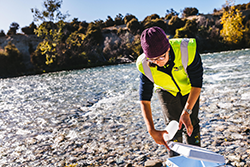 Maintain or improve water quality
Key attribute: Water quality (lakes, rivers, groundwater)
Indicators: Lake trophic level index, national objective framework band, water quality parameter trends
By 2035, river and lake water quality is maintained or improving from the 2025 baseline, supporting healthy freshwater ecosystems.
Pressure reduction objectives
🌲 Reduce wilding conifer seed sources, infestations and re-infestations
🛶 Improve environmental conditions for mahika kai and enable safe use
☔ Reduce contaminants - sediments, nutrients, pathogens, microplastics - in stormwater
🚽 Avoid wastewater discharge to freshwater
🐄 Reduce contaminants - sediments, nutrients, pathogens, agrichemicals – from land use entering freshwater
🔬 Reduce knowledge gaps
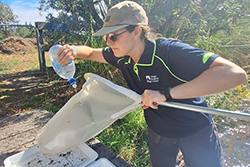 Improve freshwater ecosystem function
Key attribute: Freshwater ecosystem function
Indicators: Aquatic life and ecosystem processes
By 2035, aquatic weed impacts are reduced and in places are eliminated. Incursions are promptly delt with, and deepwater lake functional biodiversity is maintained or improved from the 2025 baseline.
Pressure reduction objectives
🦠 Reduce the risk of new freshwater invasive organisms establishing
🌿 Contain and remove lagarosiphon
🛶 Improve environmental conditions for mahika kai and enable safe use
⚒️ Avoid clearing, draining or filling of wetlands
☔ Reduce contaminants - sediments, nutrients, pathogens, microplastics - in stormwater
🚽 Avoid wastewater discharge to freshwater
🐄 Reduce contaminants - sediments, nutrients, pathogens, agrichemicals – from land use entering freshwater
〰 Assist tuna kuwharuwharu (longfin eel) migration and kanakana (lamprey) migration
🔬 Reduce knowledge gaps
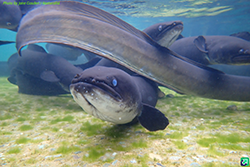 Improve the abundance and accessibility of mahika kai
Key attributes: Mahika kai health & accessibility
Indicators: Presence, abundance, diversity, and safety
By 2035, mahika kai species are increasing from the 2025 baseline, wāhi mahika kai (cultural food and resource gathering sites) are safe for use by mana whenua, and kaitiakitaka by mana whenua is supported.
Pressure reduction objectives
🐀 Reduce introduced predator mammal populations (stoats, ferrets, weasels, rats, hedgehogs, possums, mice and feral cats)
🦠 Reduce the risk of new freshwater invasive organisms establishing
🌿 Contain and remove lagarosiphon
🌲 Reduce wilding conifer seed sources, infestations and re-infestations
🌾 Reduce terrestrial weeds (gorse, broom, willows, sycamores, lupins, yellow flag iris, buddleia, cotoneaster)
🛶 Improve environmental conditions for mahika kai and enable safe use
⛏️ Avoid clearing and change to native vegetation
️⚒ Avoid clearing, draining or filling of wetlands
☔ Reduce contaminants - sediments, nutrients, pathogens, microplastics - in stormwater
🚽 Avoid wastewater discharge to freshwater
🐄 Reduce contaminants - sediments, nutrients, pathogens, agrichemicals – from land use entering freshwater
〰 Assist tuna kuwharuwharu (longfin eel) migration and kanakana (lamprey) migration
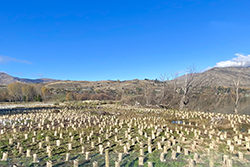 Increase overall native vegetation coverage and improve condition
Key attributes: Native vegetation coverage and condition (beech, shrub, tussock, riparian, submerged, wetland)
Indicators: Coverage, succession, threatened plants, canopy cover, biomass, submerged plant index
By 2035, native vegetation cover and condition is improved compared to 2025, showing growth and succession with more taoka (treasured) plants present.
Pressure reduction objectives
🌲 Reduce wilding conifer seed sources, infestations and re-infestations
🌾 Reduce terrestrial weeds (gorse, broom, willows, sycamores, lupins, yellow flag iris, buddleia, cotoneaster)
🛶 Improve environmental conditions for mahika kai and enable safe use
⛏️ Avoid clearing and change to native vegetation
️⚒ Avoid clearing, draining or filling of wetlands
🐐 Reduce introduced herbivore populations (goats, pigs, rabbits, hares, possums)
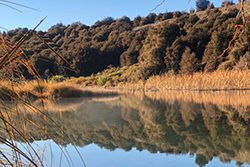 Maintain or improve wetland coverage and function
Key attributes: Wetland coverage and function
Indicators: Coverage, hydrology measures
By 2035, wetland number, size, and function increase, with no further losses from the 2025 baseline. Wetland ecological and hydrological functioning, and resilience are apparent as part of the whole-catchment system.
Pressure reduction objectives
🐀 Reduce introduced predator mammal populations (stoats, ferrets, weasels, rats, hedgehogs, possums, mice and feral cats)
🌲 Reduce wilding conifer seed sources, infestations and re-infestations
🌾 Reduce terrestrial weeds (gorse, broom, willows, sycamores, lupins, yellow flag iris, buddleia, cotoneaster)
🛶 Improve environmental conditions for mahika kai and enable safe use
⛏️ Avoid clearing and change to native vegetation
️⚒ Avoid clearing, draining or filling of wetlands
🐐 Reduce introduced herbivore populations (goats, pigs, rabbits, hares, possums)
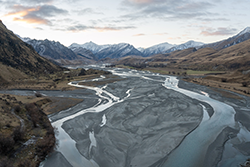 Maintain or improve naturally uncommon ecosystems (NUEs)
Key attribute: Naturally uncommon ecosystems
Indicators: NUE number, coverage, threatened species presence
By 2035, the extent and function of NUEs is maintained to at least the 2025 level. NUEs are actively managed to protect and support the persistence and recovery of rare and threatened plants and wildlife.
Pressure reduction objectives
🐀 Reduce introduced predator mammal populations (stoats, ferrets, weasels, rats, hedgehogs, possums, mice and feral cats)
Reduce wilding conifer seed sources, infestations and re-infestations
🌾 Reduce terrestrial weeds (gorse, broom, willows, sycamores, lupins, yellow flag iris, buddleia, cotoneaster)
⛏️ Avoid clearing and change to native vegetation
⚒️ Avoid clearing, draining or filling of wetlands
〰 Assist tuna kuwharuwharu (longfin eel) migration and kanakana (lamprey) migration
🔬 Reduce knowledge gaps
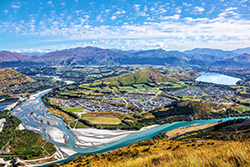 Strengthen ki uta ki tai (interconnectedness)
Key attribute: Interconnectedness
Indicators: Nutrient fluxes, riparian/wetland continuity, connectivity, fish passage, downstream integrity
By 2035, land–water connections are stronger than in 2025, benefiting ecosystems from mountains to coast.
Pressure reduction objectives
🐀 Reduce introduced predator mammal populations (stoats, ferrets, weasels, rats, hedgehogs, possums, mice and feral cats)
🦠 Reduce the risk of new freshwater invasive organisms establishing
🌿 Contain and remove lagarosiphon
Reduce wilding conifer seed sources, infestations and re-infestations
🌾 Reduce terrestrial weeds (gorse, broom, willows, sycamores, lupins, yellow flag iris, buddleia, cotoneaster)
🛶 Improve environmental conditions for mahika kai and enable safe use
⛏️ Avoid clearing and change to native vegetation
⚒️ Avoid clearing, draining or filling of wetlands
🐐 Reduce introduced herbivore populations (goats, pigs, rabbits, hares, possums, deer, chamois and tahr)
🎣 Reduce introduced fish interactions with non-migratory galaxiids
☔ Reduce contaminants - sediments, nutrients, pathogens, microplastics - in stormwater
🚽 Avoid wastewater discharge to freshwater
🐄 Reduce contaminants - sediments, nutrients, pathogens, agrichemicals – from land use entering freshwater
〰 Assist tuna kuwharuwharu (longfin eel) migration and kanakana (lamprey) migration
🔬 Reduce knowledge gaps
We looked at the current health of our environment and imagined the future we want to see.
Out of the gap between where we are now and where we want to be, we set goals to strengthen biodiversity, restore freshwater, protect wetlands, and safeguard cultural resources — supported by objectives that tackle the most urgent pressures.


Upper Lakes Catchment Action Plan
The Upper Lakes Integrated Catchment Group has been supported by the Otago Regional Council to create a Catchment Action Plan for the Upper Lakes area. The Group will shortly be putting their plan into action.

Story map of the plan
How we made our plan, and how you can get involved.

Plan development
We came together in workshops to shape a shared mission and craft a vision story that reflects our hopes for the Upper Lakes.

Goals & Objectives
Environmental health goals show us what we are aiming for and highlight what we need to achieve to get there.

Strategies
Delivery of actions will not rest with our group alone; a shared responsibility and resourcing model reflects the collective impact approach at the heart of the CAP, where success depends on many hands working together.


