
COMMUNITY UPDATE | MARCH 2025

Tēnā koutou katoa
Welcome to the March issue of the Toitū Te Hakapupu newsletter.
We have more updates to share with you on the work happening in Te Hakapupu / Pleasant River, including a Fish Passage Field Day next week, willow removal, an ecological survey, and the chance to meet more of the project team.
If you have any questions, please feel free to get in touch with us. You’ll find the project partners and their contact details at the end of this newsletter.
For our new subscribers and those who would like to know more about the project, you can learn more on our dedicated project webpage . You’ll also find past newsletters to catch you up on the journey so far.

Progress to date
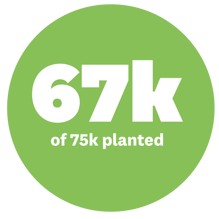
Native planting
A further 25,000 plants are proposed to be planted before the end of the project (30 June) this year. These natives stabilise riverbanks and act as filters to trap water contaminants such as chemicals, nutrients, sediment, and bacteria before they enter the waterway.
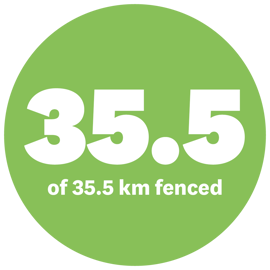
Fencing around waterways
A further 3 km beyond the project’s goal is now underway and will be completed by the end of the project. This fencing will help keep stock out of waterways and wetlands, reducing the amount of contaminants that enter the river.
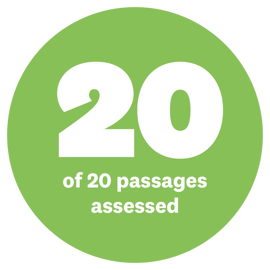
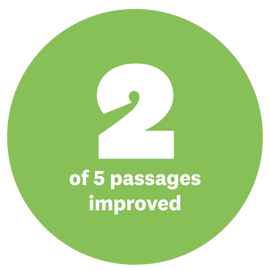
Fish passage barriers
More work will be done in the coming months to replace three culverts in the lower catchment to improve fish passage to the upper catchment.
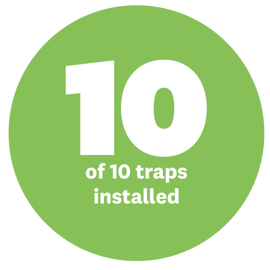
Sediment traps
Sediment traps will be monitored and emptied out if necessary. The amount of sediment collected will be estimated. Planting on the surrounding slopes stabilises the sediment traps over time. Native plants have also been established around and between the traps to capture more sediment and create native habitat.
 ``
``
Upcoming events and activities
Next event:
Fish Passage Field Day | 20 March, 8.30am to 10.30am
Hosted by East Otago Catchment Group
Do you install culverts or operate a digger on your property?
Come and learn how to create fish passage-friendly farm culverts.
Coffee cart and breakfast provided.
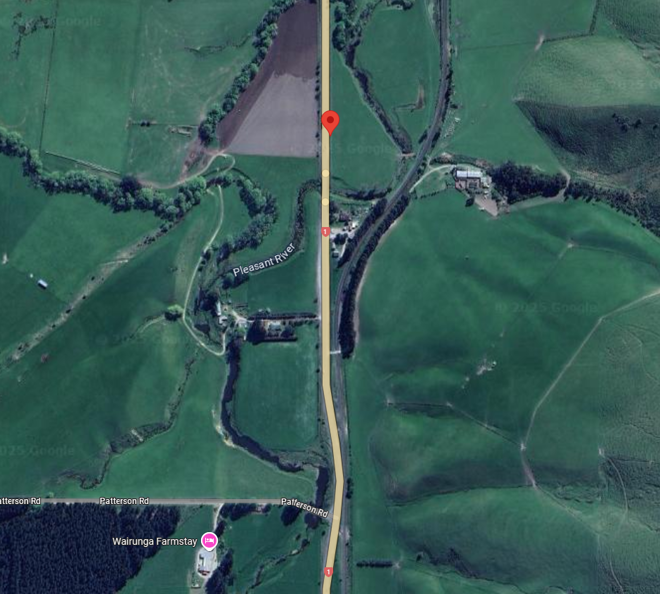
Field Day is at at Kelly Todd’s property, 822 Palmerston–Waikouaiti Road.
Access into the paddock is off State Highway 1. Keep an eye out for the flags at the gate and please be careful entering and exiting the property.
Please RSVP to Steph on 0274 387 875 or eocatchmentgroup@gmail.com
Other events:
- Toitū Te Hakapupu Succession Planning Workshops
- Session One: Tuesday, 8 April, 4.00pm-7.30pm
- Session Two: Monday, 28 April, 4.00pm-7.30pm
- Erosion planting April–June 2025
- End-of-Project Celebration Planting Day 18 May 2025 (details TBC)
- Five fish passage barriers improved by June 2025
- Working with forestry on actions to protect water quality ongoing

Ecological survey — what was found?
Improved weather has allowed some of the project team to complete a number of wildlife surveys. An ecological survey is currently being carried out on the sand spit at the mouth of Te Hakapupu.
A fair number of godwits have been spotted, and a mokomoko (lizard/gecko/skink) survey and invertebrate survey are also in progress.
To encourage species to come out during these times, structures called artificial cover objects (ACOs) are sometimes used. They are also known as artificial retreats, refuges, or cover boards. Placed in study sites, they provide shelter for animals and can be made of a variety of materials, including wooden boards, tin sheets, plywood, roof tiles, corrugated iron, or carpet.
The ACOs being used for this mokomoko survey have been working well with an ‘occupant’ being discovered in 30-40% of them. McCann’s and tussock skinks have both been seen so far, with McCann’s skinks being the most common.
A healthy population of katipō spiders has also been identified, including the big ol’ mamma below. It turns out that katipō quite like the ACOs, so we’ll be adjusting our H&S practices accordingly! The presence of this population is quite significant, as there are only two or three known populations in Otago.
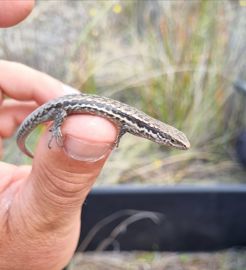
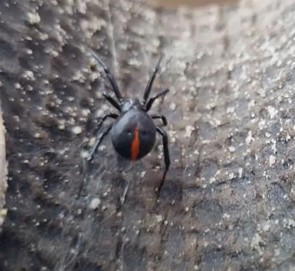
Left: a McCann's skink. Right: a katipō spider. Photos: Matt Dale

Willow control
Toitū Te Hakapupu has undertaken willow control to naturalise parts of the river. This will help increase flow by removing blockages, enable native planting to take place where willow has been removed and reduce water uptake by willow trees in the summer months.
Water quality was maintained throughout the project with all material removed off site.
This site is a good example of how, little by little, rivers can be naturalised across a catchment. Follow-up willow control is critical, particularly until the native trees establish and close the canopy.
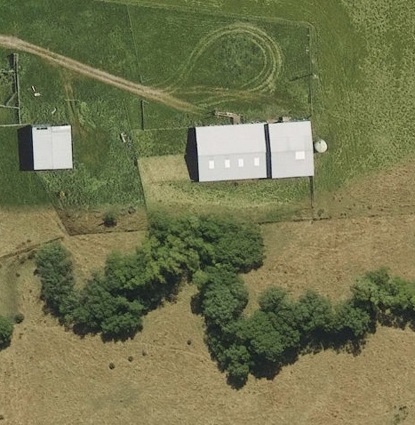
Willows on a bend of Pleasant River before work commences
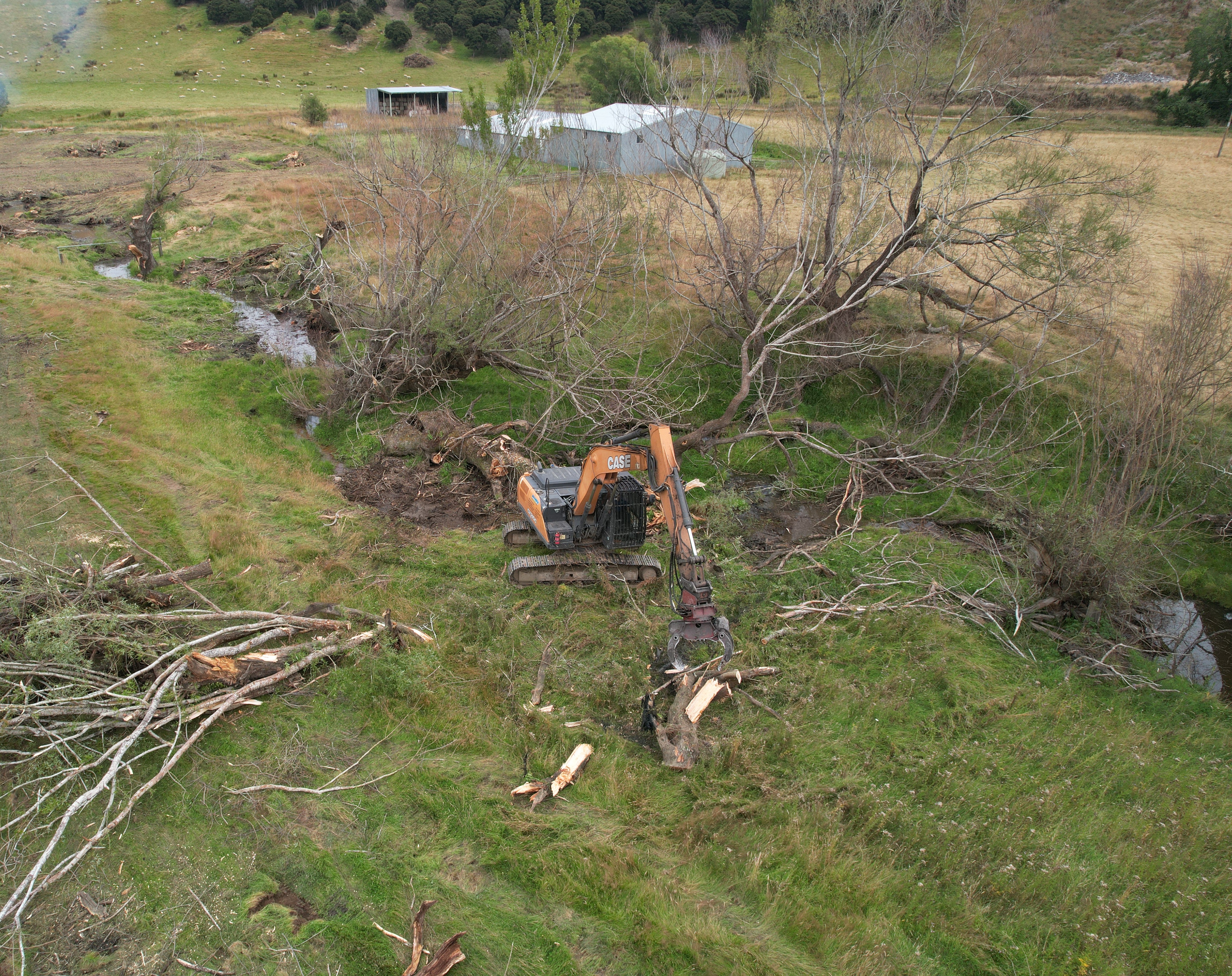
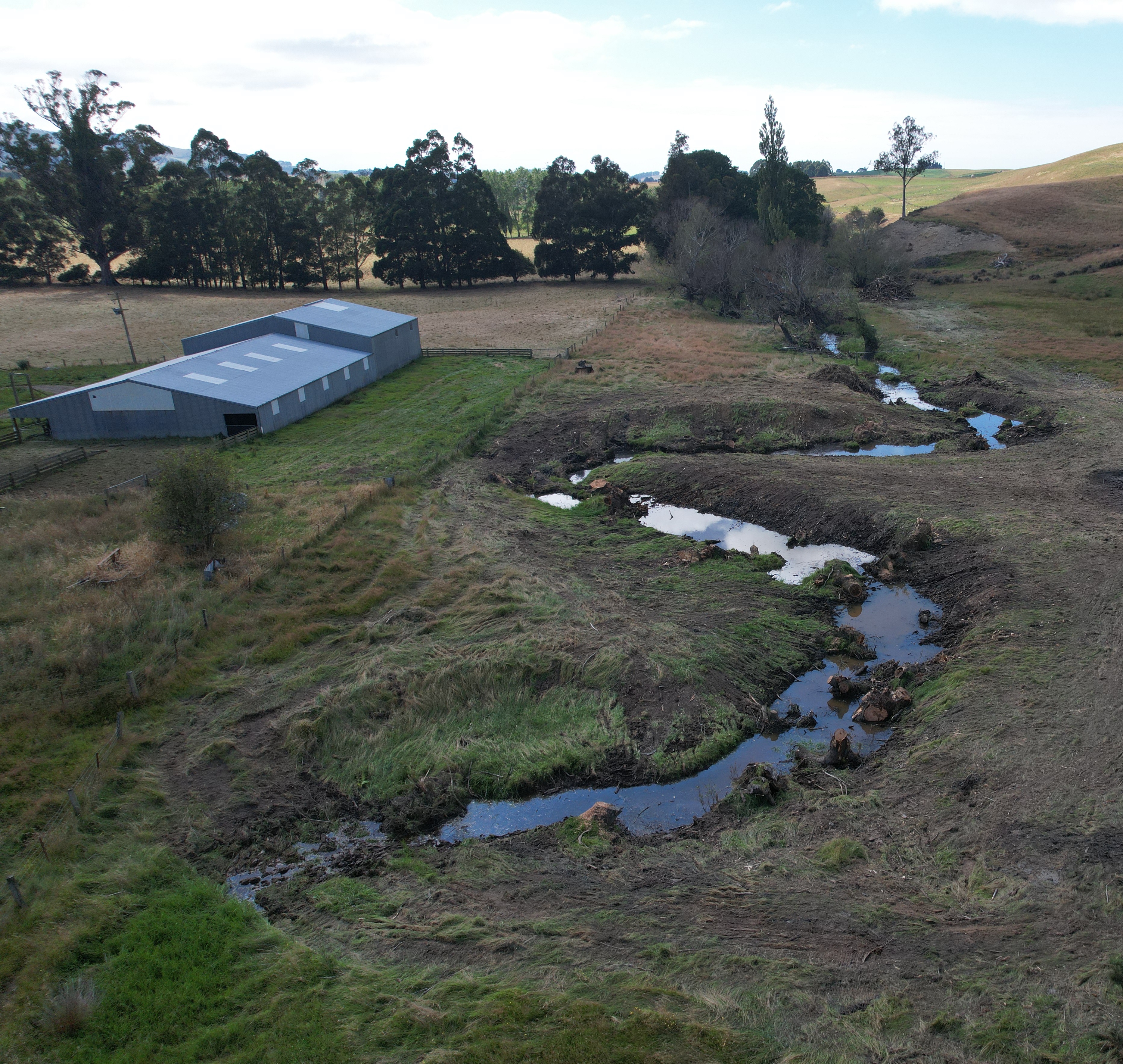
Left: work underway to remove willows. Right: following removal, there is noticeable improvement in the flow of the river.

Nature-based solutions studies continue
Wai i te reporepo, wai i te wao: what nature tells us about how to understand and prepare for flooding. Otago Regional Council is undertaking a nature-based solutions study (Wai i te reporepo, wai i te wao), which models nature-based methods to find out how they may lessen the effects of flooding and enhance biodiversity. The results will benefit the entire region.
A Feasibility Report has been prepared. This report explains the results of a modelling study to see how different nature-based solutions could reduce the effects of flooding in Te Hakapupu / Pleasant River catchment. The report also analyses the benefits and challenges of implementing nature-based solutions in Otago.
Engagement Study
We’re also checking in with landowners and asking them to complete a short survey to find out whether they are aware of nature-based solutions and how willing they would be to trial these as a way of mitigating flooding damage on their land. The results of this survey will be publicly available by the end of June 2025.
Both of these will be publicly available and will help ORC make decisions about when and where nature-based solutions might be used in the future.

Over the course of this project, some incredible milestones have been achieved.
It is now up to us all to build on those successes as the project officially winds up on June 30, and collectively act to work towards our vision for the catchment “Healthy wai – healthy whenua -healthy tangata / A flourishing catchment and community”.
Workshop Details
Session One
Tuesday, 8 April, 4.00pm–7.30pm
Waikouaiti Event Centre, 203 Main Road, Waikouaiti 9510
Session Two
Monday, 28 April, 4.00pm–7.30pm
Waihemo Lodge Hotel, 13 Runbrake Street, Palmerston 9430
Enquiries welcome — please contact Melanie White
melanie.white@orc.govt.nz
Meet the team
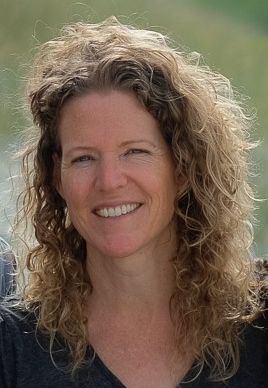
Sally Dicey
Principal Environmental and Community Planning Specialist | Team Lead at Whirika
What’s your background?
Sally: Kia ora, I work with Whirika Consulting. We have been working in the background to provide technical and planning support for the Toitū Te Hakapupu / Pleasant River Restoration Project. I have been leading the development of the catchment action plan as part of this project. My background is in resource management, including both consent applications and policy development, with a particular focus, in the last decade, on freshwater and catchment management. I grew up in the Bay of Plenty on a kiwifruit orchard and first came to Dunedin to study, while my family moved to Central Otago and became involved in the wine industry. After a long stint of travelling, I came back here and have called it home ever since. When I am not working ‘on’ the environment, I can usually be found ‘in’ the environment: gardening, biking, in the surf or tramping, either with my family or with friends.
What excites you most about this project?
Sally: I'm excited to see people from different walks of life and perspectives come together for a common purpose: to work together to look after this catchment. I love drawing together an array of information to guide actions and results on the ground.
How can I find out more?
Keep up to date on the project by subscribing to this newsletter (if you aren’t already) and following updates on Facebook:
You can also learn more on the project webpage. You’ll also find past newsletters to catch you up on the journey so far.
Contacts
Otago Regional Council Project Delivery Specialist
Melanie White
Email melanie.white@orc.govt.nz
Ph 027 357 2568
Otago Regional Council Project Assistant
Soraya Engelken
Email soraya.engelken@orc.govt.nz
Ph 022 452 3818
Kāti Huirapa Rūnaka ki Puketeraki Representative
Katharina Ruckstuhl
Email katharina.ruckstuhl@otago.ac.nz
East Otago Catchment Group
Steph Scott
Email eocatchmentgroup@gmail.com
Ph 027 438 7875
Disclaimer
The Ministry for the Environment does not necessarily endorse or support the content of the publication in anyway.
Copyright
This work is copyright. The copying, adaptation, or issuing of this work to the public on a non-profit basis is welcomed. No other use of this work is permitted without the prior consent of the copyright holder(s).


