|
COMMUNITY UPDATE | MARCH 2023
|
 |
|
|
Tēnā koutou katoa
Welcome to the first issue of the Toitū Te Hakapupu newsletter.
Our news, which we’ll look to share every 2 to 3 months, will keep the local community and other interested individuals informed on what we’ve been doing in the catchment together, milestones achieved, upcoming work, and activities.
We also want to hear from you! At the end of this email, you’ll find the project partners. Please feel free to get in touch with any one of us - let us know what you think, or how you want to get involved. You can also get information on our dedicated project webpage.
The Pleasant River Catchment Restoration Project is progressing well, and we are excited by the enthusiasm already generated from our first few months of community engagement. Read on to find out what’s been happening and what’s coming up.
|
|
 |
About the project
|
|
|
Toitū Te Hakapupu is a four-year partnership project between Otago Regional Council and Kāti Huirapa Rūnaka ki Puketeraki, in collaboration with East Otago Catchment and you, the community.
The project is funded by the Ministry for the Environment’s Essential Freshwater Fund through the Government’s Jobs for Nature programme to create jobs while enhancing nature. Funding of $5 million has been provided to support this restoration project.
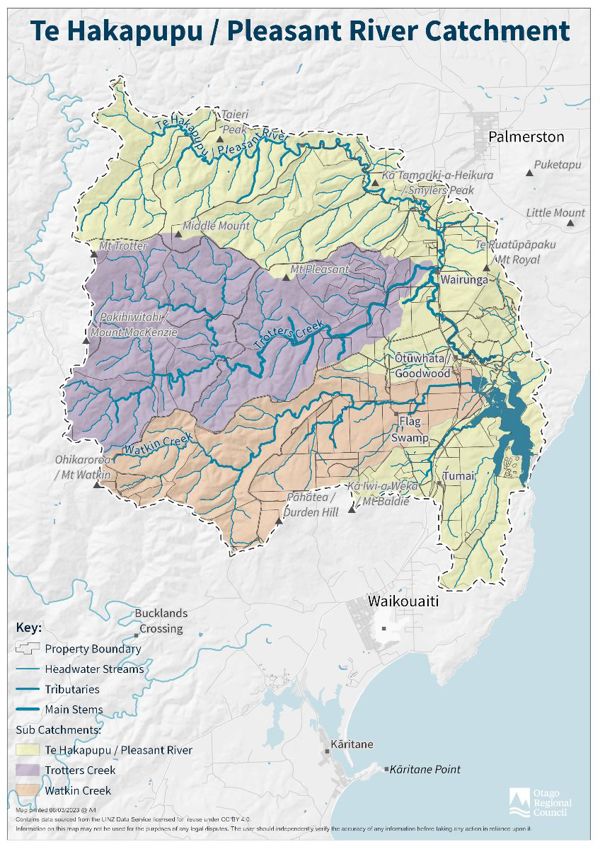
We look forward to meeting more of you in the community this year and having you join us on this journey working to improve the mauri/vital essence and health of the awa/rivers and estuary in the Pleasant River Catchment (Pleasant River, Trotters Creek, Watkin Creek, and the estuary).
|
|
 |
A year in reflection
|
|
|
2022 was a year for foundations, the biggest of which is our partnership between the Otago Regional Council and Kāti Huirapa Rūnaka ki Puketeraki.
We developed a detailed project management plan together and conversations then began between ORC, Kāti Huirapa and the community, including landowners, about their aspirations and ideas. These helped shape the Catchment Restoration Management Plan – one of the major objectives of the project.
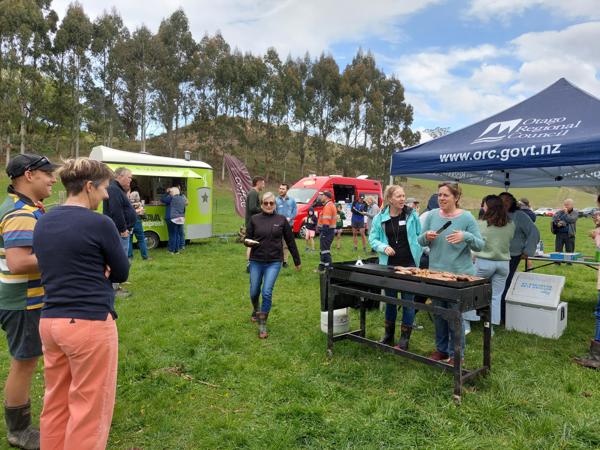
We also met with the community for the first time in October at a Meet and Greet event held on the Familtons’ farm. Thank you to all those who attended! It was great to meet so many who care about the health of your awa/rivers and estuary.
Some early work was carried out to identify environmental problems and how they can best be remedied. Environmental data collection began, and an initial assessment of sediment movement in the catchment was carried out.
Our technical specialist also came on board late last year. We would like to welcome the Ahikā Consulting team to the project. The Ahikā team will be assisting with technical and planning inputs such as the development of the catchment plan and technical assessments informing the project, e.g., identifying priority sites for environmental enhancement and sediment mitigations.
|
 |
Work to be completed in 2023
|
|
|
We would like to get to know the community even better this year and achieve some major milestones, including working with landowners to plant natives and fence off waterways.
We are currently working on identifying priority sites in the catchment, and Benita MacLean, ORC’s North Otago Catchment Advisor, is meeting with landowners to start conversations around working together on planting and fencing in 2023.
Our team continues to collect information about the environment and water quality and will have opportunities for the community to be involved in environmental monitoring later this year.
At the community meeting, you told us about sediment hot spots you are aware of. We will be looking into these, working to understand how sediment moves through the catchment and finding ways to manage these hot spots.
ORC is working with Kāti Huirapa and the community to understand what science work needs to be done to best answer our questions. All this work will help the development of the long-term Catchment Management Plan.
|
|
 |
Cultural monitoring in the catchment
|
|
|
The whānau for Kāti Huirapa Rūnaka ki Puketeraki will be out in the catchment over the next couple of months to undertake the first round of cultural health monitoring for the Toitū te Hakapupu project.
We will be looking at six sites across the catchment in addition to the three sites that have already been monitored in Watkin and Trotters Creeks through our work with Ngāi Tahu Forestry.
The cultural health monitoring will allow mana whenua to establish a baseline of the current health of the awa, identify areas where restoration can achieve the greatest improvement in cultural health, and track changes in the catchment over time.
If you see us out and about on the awa, feel free to come over for a chat about this mahi and how it might work in with what you are looking to do on your whenua as part of this project!
|
|
|
Our recent community meeting
|
|
|
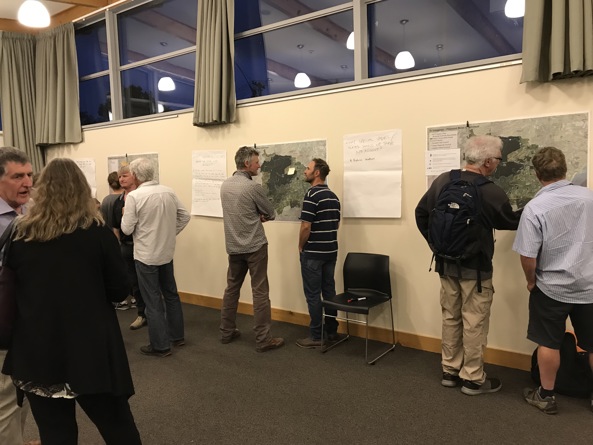
On Wednesday, February 15, we held a community meeting in Waikouaiti to support landowners in the catchment looking to get involved in some of the work Toitū Te Hakapupu has planned for 2023, chiefly fencing and native planting. We had a great kōrero around how sites are evaluated and prioritised and found out some of the things the community felt were important.
There was an interactive mapping session with those at the meeting to collect local knowledge of the catchment, such as known sediment hot spots. Corrections were made to current land use maps and discussions were had around proposed monitoring sites.
We also made sure there was time to discuss opportunities for the rest of the community to help. These will include community monitoring and planting days. Thank you to all those who attended for their questions and feedback. We look forward to seeing and hearing from you again.
Keep an eye on our website for our next event.
Events in the community
|
|
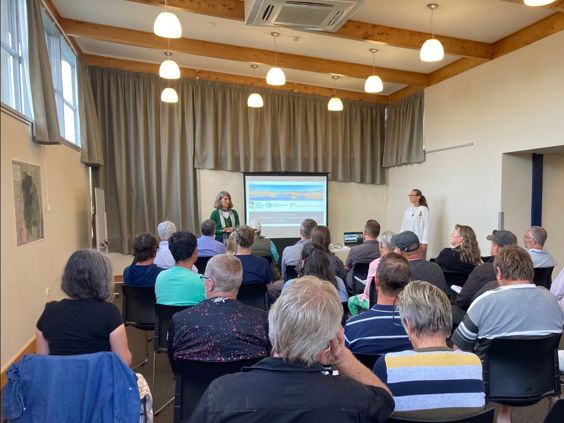 |
| Katharina Ruckstuhl (Kāti Huirapa Rūnaka ki Puketeraki) and Melanie White (ORC Project Delivery Specialist) addressing those who attended the February community meeting. |
|
|
How can landowners get involved in the project?
|
|
|
Step One
Register your interest online at www.orc.govt.nz/eoi or email your local Catchment Advisor Benita.MacLean@orc.govt.nz for a form.
Step Two
We will contact you to begin an assessment of your site.
Think about:
- what kinds of actions would make the biggest difference to water quality
- how you might contribute the required 25% to costs
- how soon you could anticipate having work done on your property
Step Three
Landowner agreements must be in place before any work can begin.
A landowner agreement will formalise the arrangement between the landowner/s and ORC and will include:
- What water quality improvements will take place on your property, and where
- Expectations for the landowner/s and ORC
- Costs and how these will be shared between landowner/s and ORC
|
|
|
How can the rest of the community get involved?
|
|
|
Other community funding opportunities
|
|
|
While we have managed to secure $5 million for the work detailed above, there is always more work that can be done in the catchment to improve water quality with the help of community funding.
One such opportunity is ORC’s ECO Fund which supports community-led projects that protect, enhance, or promote Otago's environment.
The March 2023 funding round is now open with a pool of more than $550,000 for community projects.
For further details, check out ECO Fund.
There are also other sources of community funding on the project website.
|
|
|
Contacts
|
|
|
If you have any questions or would like to talk with us, please don’t hesitate to get in touch.
Otago Regional Council Project Delivery Specialist – Jobs for Nature
Melanie White
Email melanie.white@orc.govt.nz
Ph 027 357 2568
Kāti Huirapa Rūnaka ki Puketeraki Representative
Katharina Ruckstuhl
Email katharina.ruckstuhl@otago.ac.nz
East Otago Catchment Group
Steph Scott
Email eocatchmentgroup@gmail.com
Ph 027 438 7875
|
|
|
|
|